Debunking Window Tint Myths Florida Drivers Still Believe
Florida Sun Relief Starts with the Facts
Window tinting seems simple at first glance. The sun is hot, the car is roasting, so darker glass must be the answer, right? In Florida, where the sun feels strong most days, it is easy to grab onto quick answers and ignore the details that actually matter.
Many drivers hear different things from friends, social media, and random shops. A lot of that advice is based on myths. Those myths can lead to illegal tint, poor visibility, weak heat control, and money wasted on film that does not hold up in real life. As spring days stretch longer and the sun hits harder, it helps to know what is true and what is not.
We work with drivers in
Fort Myers and across Lee County who want real relief from the sun, not just darker windows. Using quality LLumar window film and professional installation, we see what works every day. Let us clear up some of the most common window tinting myths so you can make smart choices before the hotter months arrive.
Myth 1: Darkest Tint Is Always the Best Choice
One of the biggest myths is that the darkest tint you can find is always the best. People often think deep, limo dark windows must block the most heat and give the best privacy. Darkness does help with privacy, but it does not automatically mean top heat rejection.
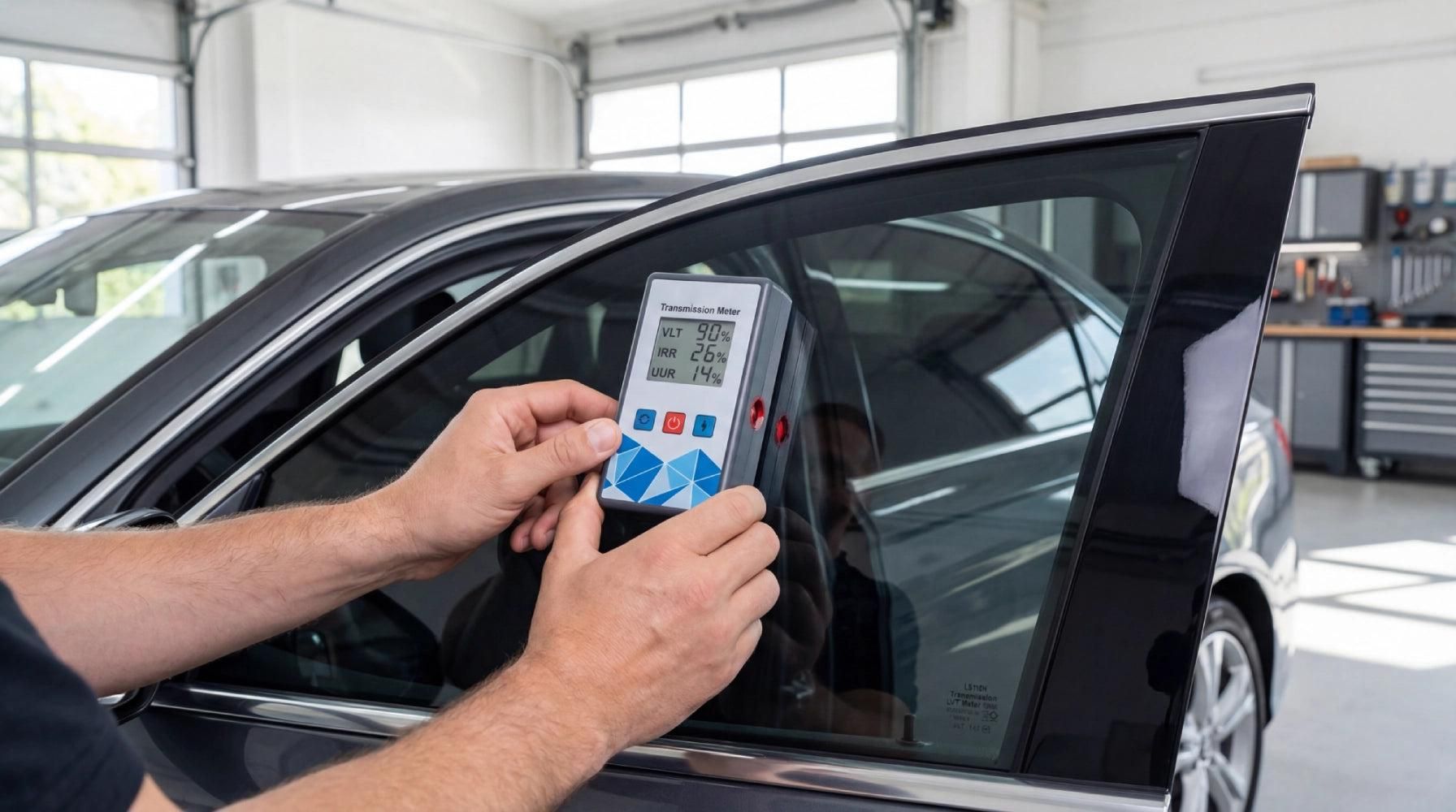
Here is where terms matter a bit. Visible light transmission, or VLT, is how much light passes through the glass. A lower VLT number means a darker look. Heat rejection, especially from infrared energy, is about how much heat the film blocks, not just how much light it blocks. Two films can look almost the same shade and perform very differently in the sun.
In Florida, safety is a big deal too. Overly dark film on the windshield or front windows can:
- Make it harder to see in heavy rain
- Hide obstacles or pedestrians at night
- Strain your eyes during early morning and evening drives
That is not worth a slightly darker look. Modern films like LLumar ceramic and other high-performance options can reject a lot of heat even in lighter shades. Many drivers choose legal, lighter tints up front and pair them with slightly darker rear windows. This keeps the car cooler, meets state rules, and still looks sharp.
The real win is balance: enough tint to cut glare and heat, but still clear and safe when a Florida storm rolls through.
Myth 2: All Window Tinting Is Basically the Same
Another myth says, “Tint is tint. Just grab the cheapest.” That thinking is what leads to cars with purple windows and peeling edges sitting in parking lots.
Not all tint is built the same. There are key types of window film:
- Dyed film: Usually the cheapest, mainly for looks, tends to fade and can turn purple
- Metallic film: Better at heat control but can sometimes affect signals for phones, GPS, or other electronics
- Ceramic and hybrid films: Designed for strong heat rejection, clear views, and better long-term color stability
Bargain or DIY tint kits might look fine on day one. The trouble often shows up right when the weather is hottest. Common problems include:
- Bubbling that never seems to smooth out
- Edges that start to peel or lift
- Film that goes hazy, cloudy, or purple
- Glare or distortion at night, especially around headlights
Quality LLumar window film is built to deliver consistent performance, with a focus on clarity and long-term appearance. When installed by a professional shop, the film is shaped and applied to fit your specific glass, not just cut from a generic roll. On top of that, a lifetime warranty that covers issues like bubbling or discoloration can give you far more peace of mind than any discount film shelf ever will.
Myth 3: Window Tint Is Just for Looks
Some people think tint is only about style, like a set of wheels or a spoiler. It can look good, for sure, but modern window tinting is more like a performance upgrade.
A well-tinted car can:
- Stay more comfortable when parked in the sun
- Help your AC work more efficiently on long drives
- Cut glare from bright skies, water, and other cars
Heat control is only part of the story. Quality window films are designed to block most of the sun’s harmful UV rays. Those are the rays that can damage skin over time and fade the inside of your car. Less UV means leather seats, dashboards, and door panels have a better chance of holding their color and not cracking as fast.
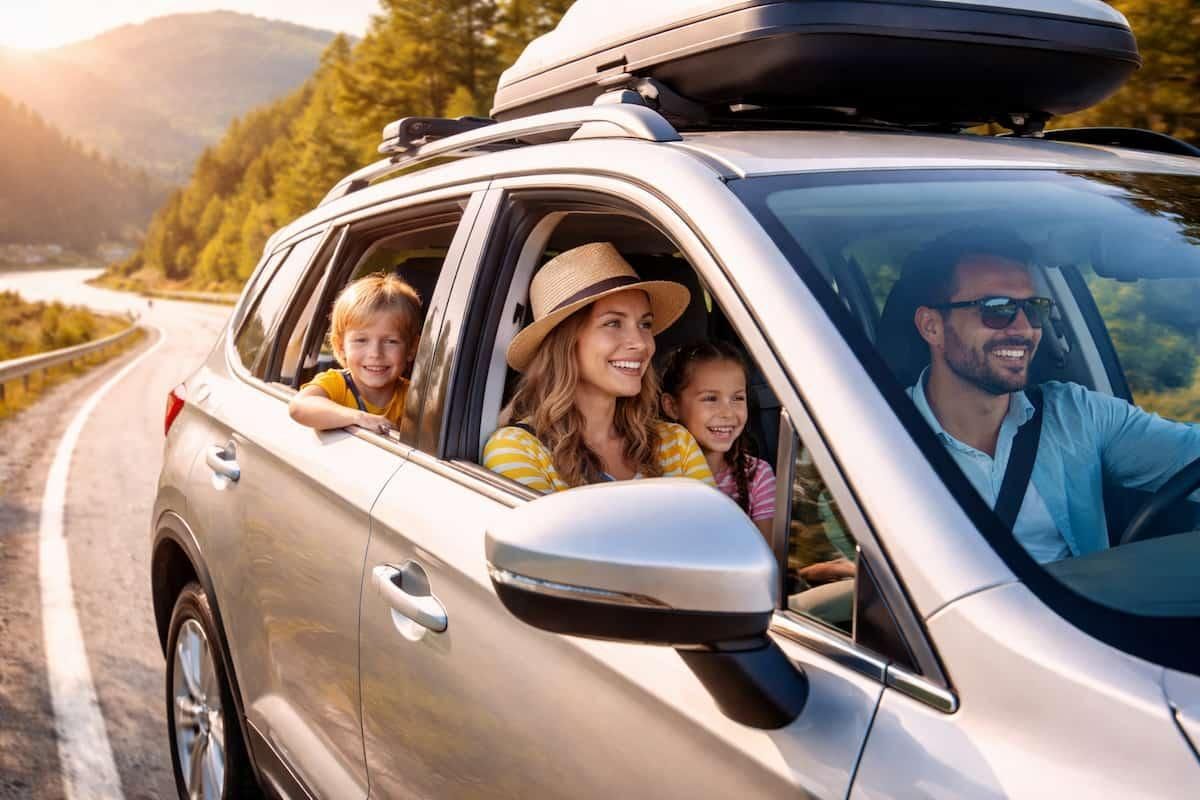
There are benefits for everyone in the car, not just the driver. Kids and passengers in the back get less direct glare, which can make long rides easier. A tinted car also makes your belongings less visible from the outside, which adds a bit of privacy when you park at the beach, a game, or a shopping center. The same film technology that works for vehicles also helps homes and commercial buildings around Fort Myers cut glare and control interior temperatures.
Myth 4: Factory Privacy Glass Is All You Need
Many trucks, SUVs, and vans come from the factory with dark rear glass. This is often called privacy glass. It looks a lot like tint, so it is easy to think you already have all the protection you need.
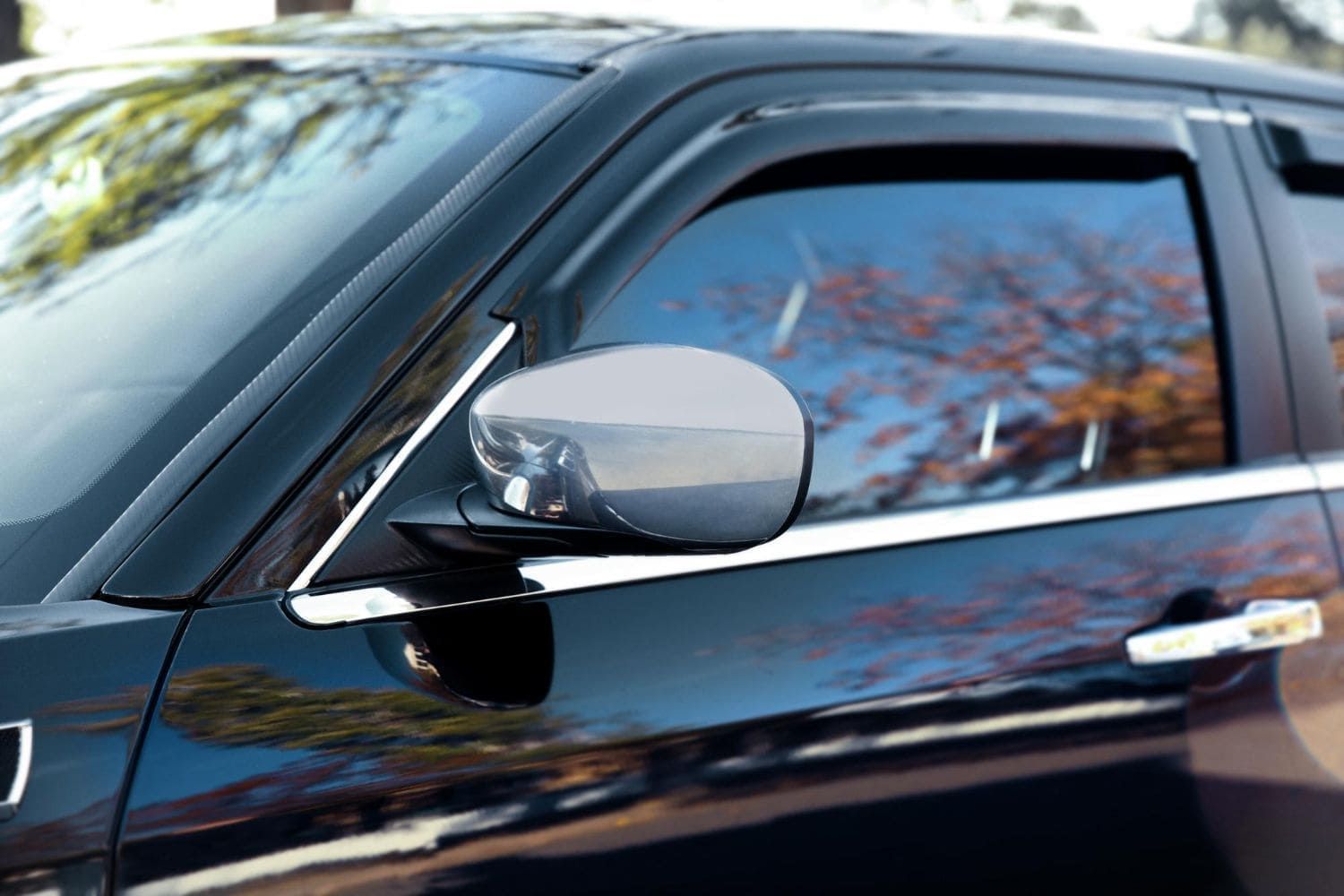
Factory privacy glass is different from applied window film. The color is built into the glass itself, so it does a decent job of making the back area harder to see into. But it is mainly about shade and style, not high-level heat rejection or UV defense.
A performance window film is a thin layer applied directly to the glass. It is engineered to target heat and UV in ways colored glass alone usually cannot. When we add LLumar film over factory privacy glass, drivers notice:
- A more even feel from front seats to back seats
- Better control of hot spots, especially near rear windows
- A more uniform color and reflection across all windows
So if you thought your factory glass already did everything, it might only be giving you part of the benefits you could have.
Myth 5: Professional Tint Is Not Worth the Price
At first glance, professional tinting might look like a bigger upfront cost than a DIY kit or a quick, cheap job. But when you look closer, the “cheap” option often ends up being the more expensive option.
Here is what can come with low-quality or illegal tint:
- Tickets or fines if your tint does not meet Florida rules
- Early film failure that forces you to remove and replace the tint
- Damage to defroster lines or glass from bad removal attempts
- A worn interior from weak UV protection, which can hurt resale value
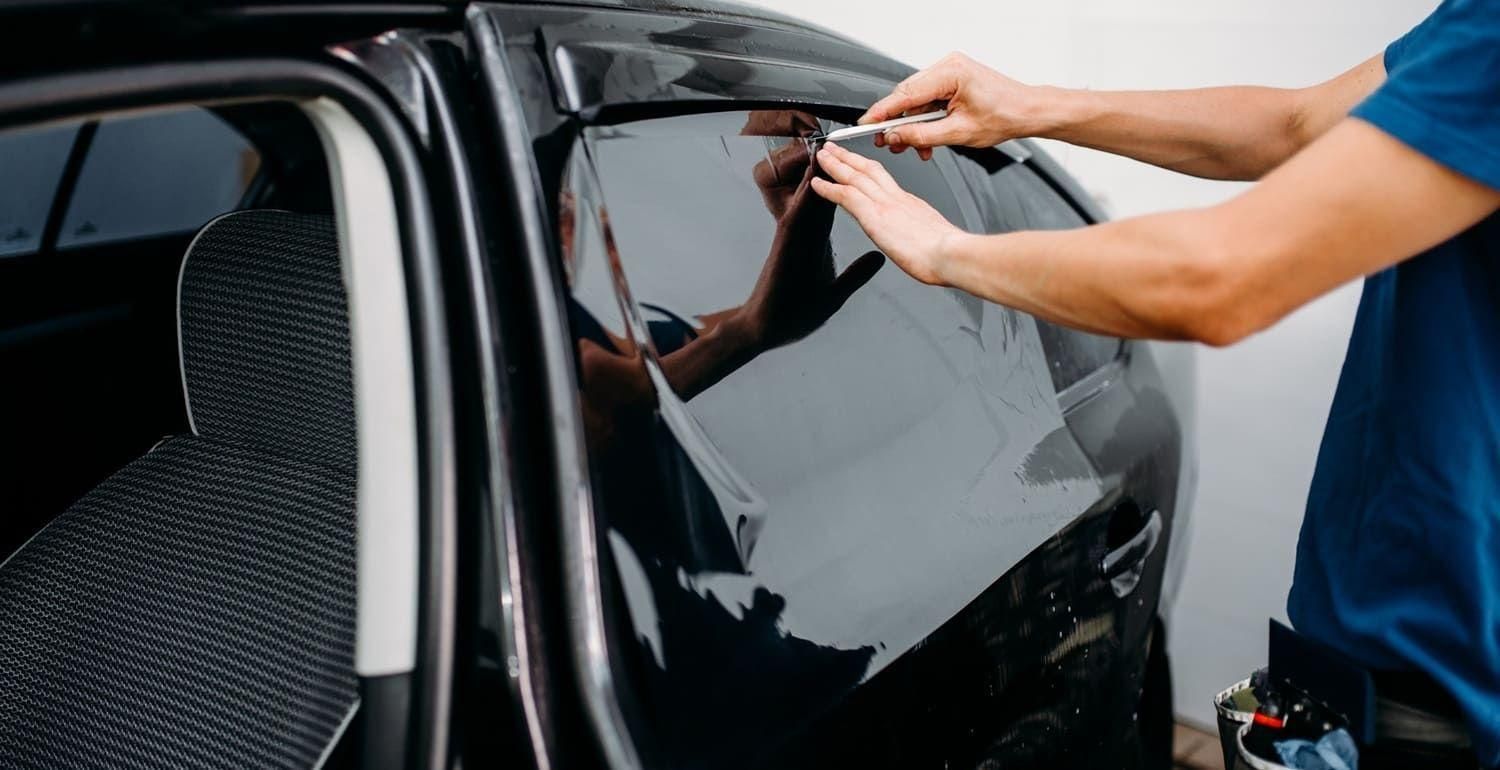
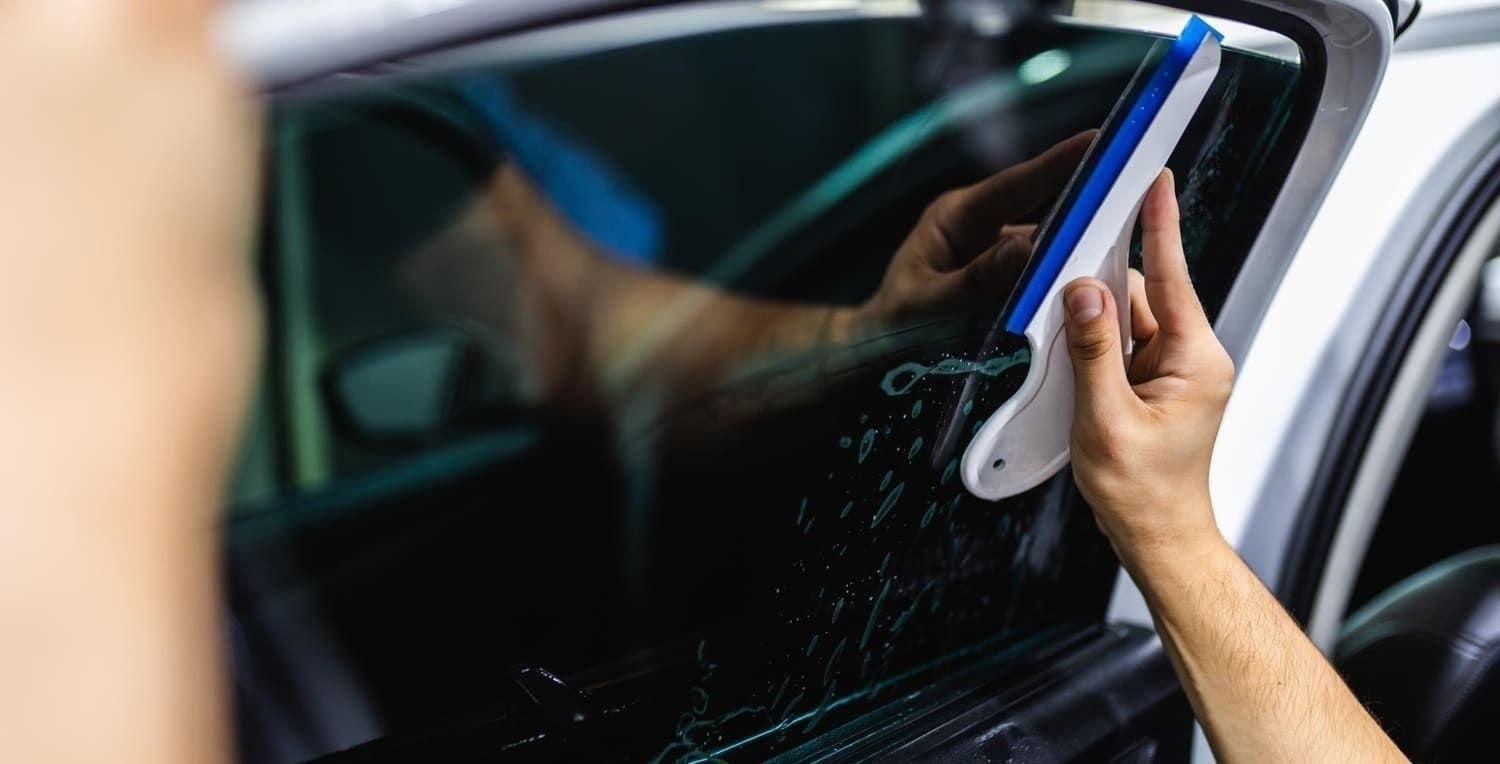
Professional installers work in a clean space and use tools that help keep dust and debris out from under the film. That is how you get clean edges, fewer specks, and a smooth finish that actually matches the shape of your windows. A skilled installer also understands
local tint laws, so your setup can stay both legal and effective.
At Solartex Window Tinting, we install LLumar films and stand behind them with lifetime warranties that cover common issues like bubbling or discoloration. For Florida drivers, that long-term protection is often the difference between redoing tint every couple of years and enjoying the same clean look and performance for the long haul.
Upgrade Your Ride Before Summer Heat Hits
As the days stretch longer and the sun climbs higher, myths about window tinting can cost you comfort, safety, and money. Darker does not always mean cooler, cheap film is not the same as quality film, and good tinting is about far more than just looks. When you focus on heat rejection, UV protection, clear visibility, and legal shades, your car becomes a much better place to spend time.
We see these myths play out on Florida roads every day, and we also see how the right film choice can change daily driving for the better. Before the hottest stretch of the year arrives, it helps to rethink what you thought you knew about tint and choose solutions that keep you cooler, protect your interior, and let you drive with confidence in the bright
Fort Myers sun.
Improve Comfort And Efficiency In Your Home Today
If you are ready to reduce glare, protect your interiors, and keep your home more comfortable year-round,
Solartex Window Tinting is here to help. Our experts will recommend the best
window tinting options tailored to your space, budget, and goals.
Reach out to our team today to
schedule a consultation and take the next step toward a cooler, more energy-efficient home.