Florida Driver’s Guide: What Window Tint Blocks (UV, IR, VLT)
Beat Florida’s Summer Sun Before It Beats Your Car
The Florida sun can turn any drive into a slow roast, especially around August in Fort Myers. You step into your car, the AC is blasting, but the seats still feel hot and the glare off the hood makes you squint. It feels like the sun is cooking you through the glass.
A lot of people think window tint is just dark glass that makes the car look nicer. The truth is, different films do very different jobs. Some focus on style, some on heat, some on blocking the rays that damage your skin and your interior.
For Florida drivers, three things matter most: UV, IR, and VLT. In simple terms, that means protection from sun damage, relief from heat, and control over how much light and glare come through your windows. As a local tint shop in the Fort Myers and Lee County area, we work with LLUMAR films so we can match all three to the way you actually drive.
Sun Damage 101: How UV Rays Attack You and Your Car
The sun gives off different kinds of light. UV rays are the ones that are rough on skin and on your car’s interior. There are two types that matter for drivers: UVA and UVB.
Here is the simple breakdown:
- UVA rays are around all day, even when it is cloudy, and they are linked to skin aging and long-term skin damage
- UVB rays are more tied to sunburn and can also add to skin cancer risk
- Both can reach you through regular clear glass, especially on long drives or daily commutes
Inside your car, those same rays hit your dashboard, leather, vinyl, plastics, and fabric. Over time, that can mean:
- Cracked dashboards and door panels
- Faded seats and carpets
- Dry, worn leather that feels rough instead of smooth
Good window film is like sunscreen for your car and for you. Quality automotive film can block almost all of those harmful UV rays without needing to be super dark. So you can still choose a legal, lighter shade for your front windows and get strong sun protection.
LLUMAR films are designed to give long-term UV defense and come with a lifetime warranty on the film. That matters, because cheap, low-grade tint often fades, turns purple, or peels. When that happens, UV rays start getting through again, and you are back to square one with no real protection.
Beat the Heat: IR Rejection and Real Cabin Comfort
If UV is about sun damage, IR is about pure heat. Infrared energy is what makes your steering wheel feel like a hot plate after your car has been parked in the sun. Even when the sky looks hazy, IR heat can still pour through the glass and heat up the cabin.
Modern ceramic and IR-focused window films work in a different way than old-style, dyed films. They are made to reflect and absorb part of that heat energy before it gets deep into your car. When that happens, you feel benefits like:
- Cooler cabin temperatures when you first get in
- AC that does not have to run at full blast all the time
- More comfortable rides for kids, older passengers, and pets
There is a common myth that you need limo-dark tint to stay cool. With advanced LLUMAR films, that is not the case. Many Florida drivers choose legal, medium, or even fairly light shades and still feel a real drop in heat. The film is working even if it does not look super dark from the outside.
In late summer, when the sun is high and afternoon traffic drags, that heat reduction makes a clear difference. Seats feel less like a skillet, your steering wheel is easier to grip, and you are less likely to feel worn out or stressed from sitting in a rolling greenhouse.
Glare, VLT, and Seeing Clearly in Florida Sun and Storms
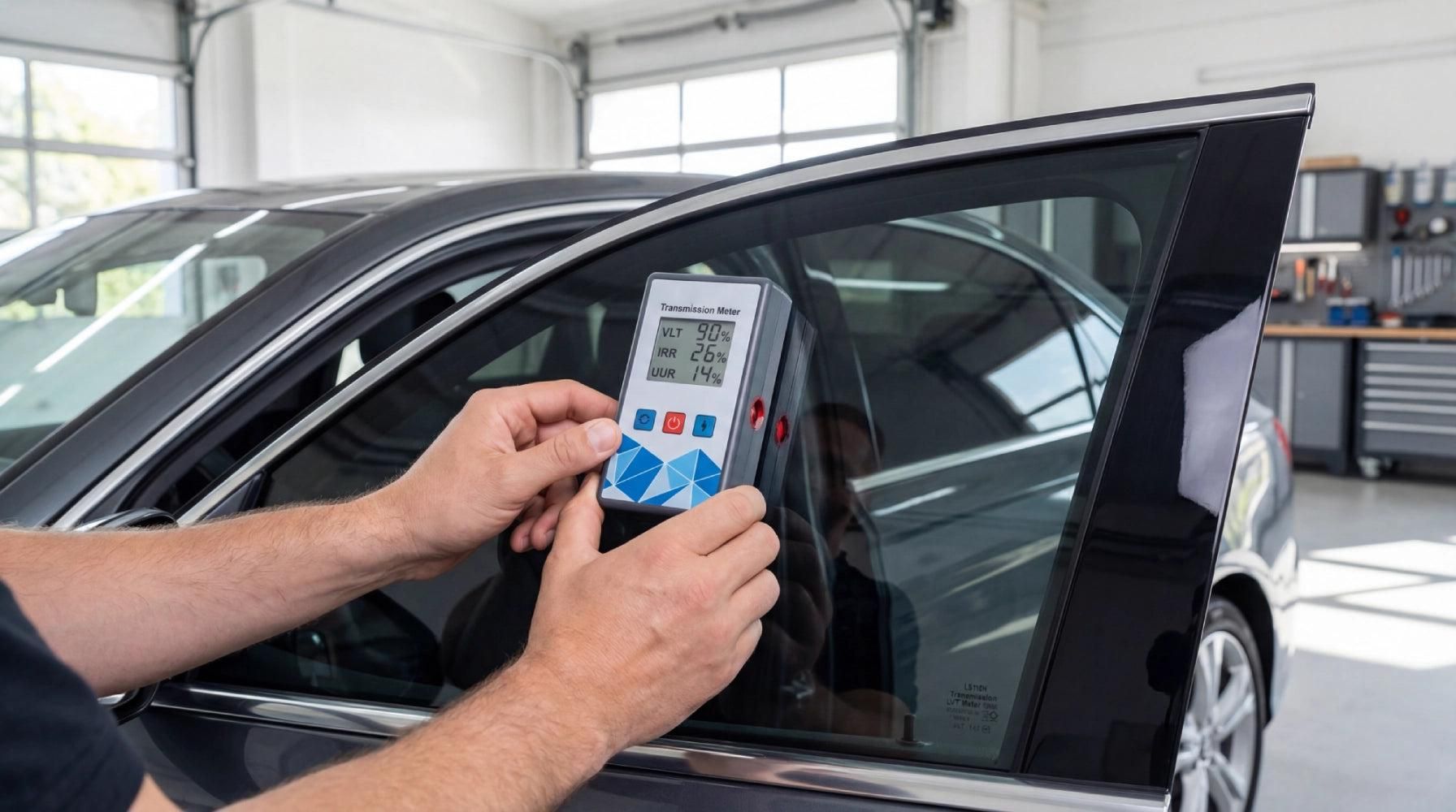
VLT stands for Visible Light Transmission. It is the percent of visible light that comes through the glass. Higher VLT means a lighter, clearer look. Lower VLT means a darker film that lets in less light.
In Florida, glare is not just an annoyance; it can be a safety problem. Drivers deal with:
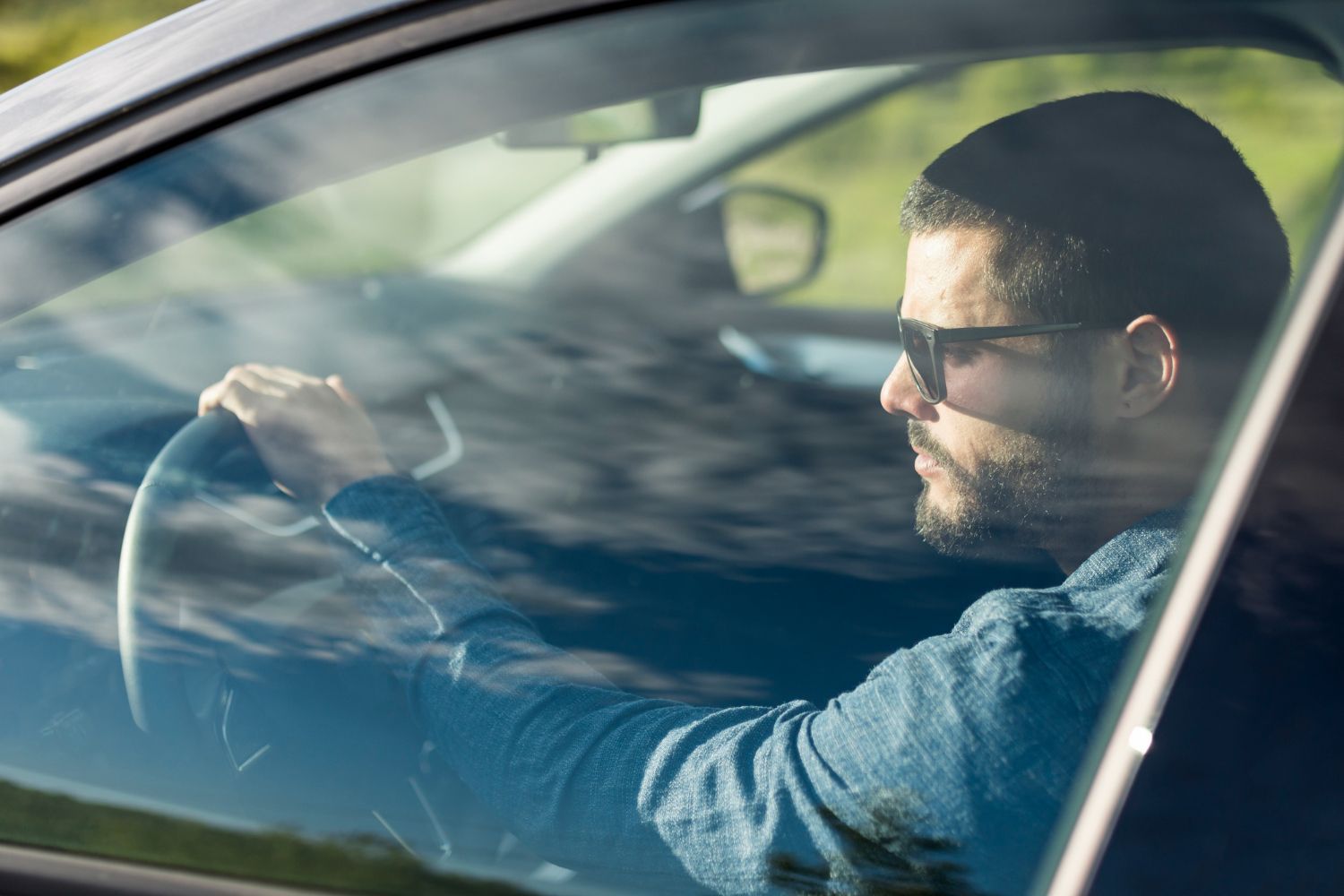
- Low sun at sunrise and sunset that shines straight into your eyes
- Reflections off water, white pavement, and bright vehicles
- Sudden summer storms where heavy rain and dark clouds cut visibility
The right VLT level helps reduce eye strain, squinting, and headaches from harsh light. At the same time, you still need to follow Florida tint laws. That means paying attention to legal VLT limits for:
- Front side windows
- Rear side windows
- Back glass
- Windshield sun strip across the top
A properly chosen and professionally installed film can cut daytime glare and also help with night comfort. The goal is better contrast and clearer vision, not making things so dark that you struggle to see in low light. Many drivers notice they are less bothered by bright oncoming headlights once they have the right tint in place.
Legal Limits, Film Types, and Picking What Fits Your Life
Florida has specific rules about how dark you can go on different windows, and those rules also differ between car types. Staying inside those limits helps you avoid tickets and other hassles. It also keeps you safer, since the laws are written with visibility in mind.
There are a few main kinds of window film on the market:
- Dyed films, mainly for looks and basic glare reduction
- Metallic films, better for heat but can interfere with some signals
- Ceramic and advanced IR films, strong on heat rejection with less impact on electronics
Most modern drivers care about keeping GPS, phones, and keyless entry working smoothly. That is one reason ceramic and IR-focused films are so popular. They balance heat control, clarity, and signal-friendly performance.
Different lifestyles can call for different film choices:
- Long I-75 commuters may want stronger heat and glare control for daily comfort
- Families with young kids often focus on UV blocking and cooler back seats
- Rideshare drivers tend to look for a clean, professional look with better passenger comfort
- Owners of higher-end vehicles often care about interior protection and a clear view through the glass
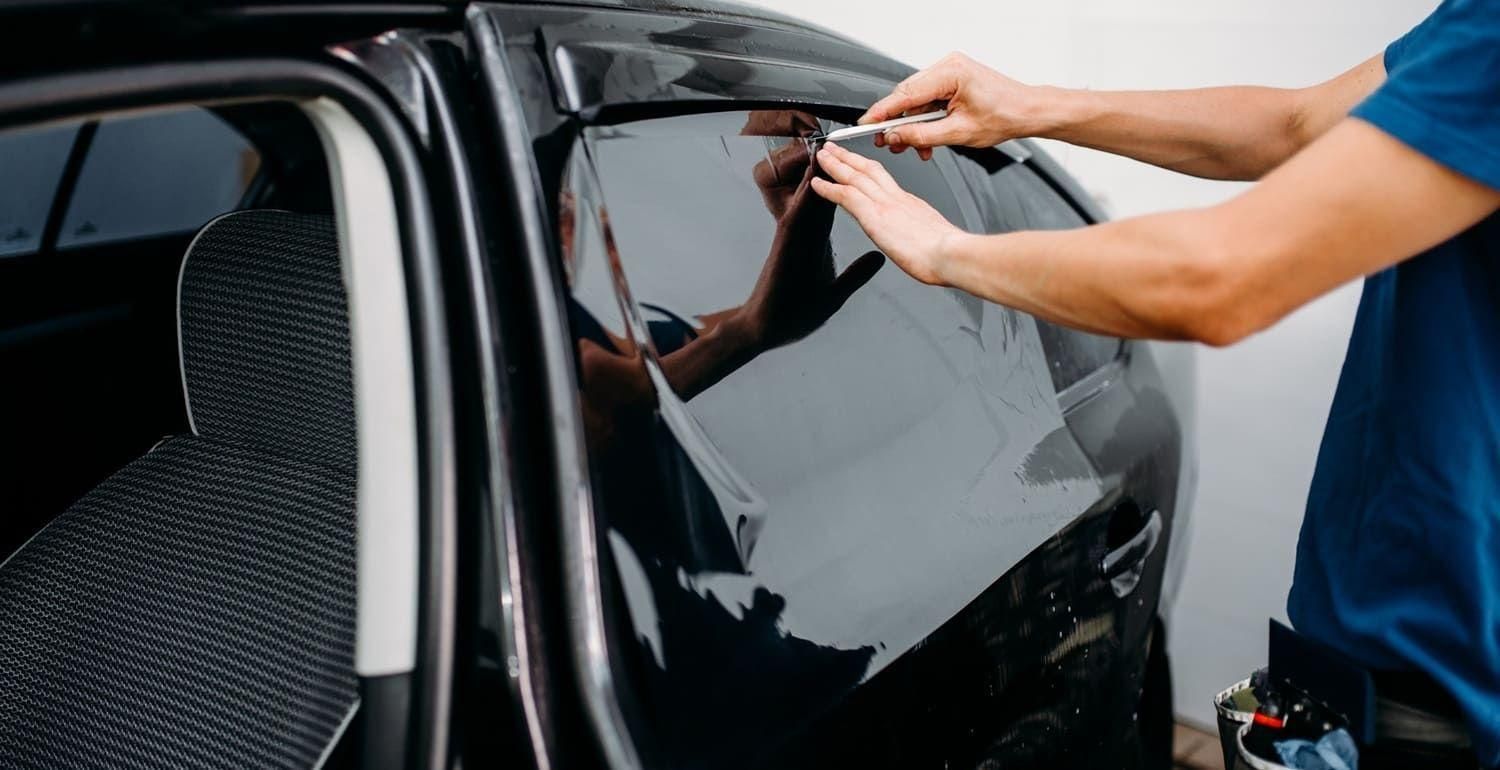
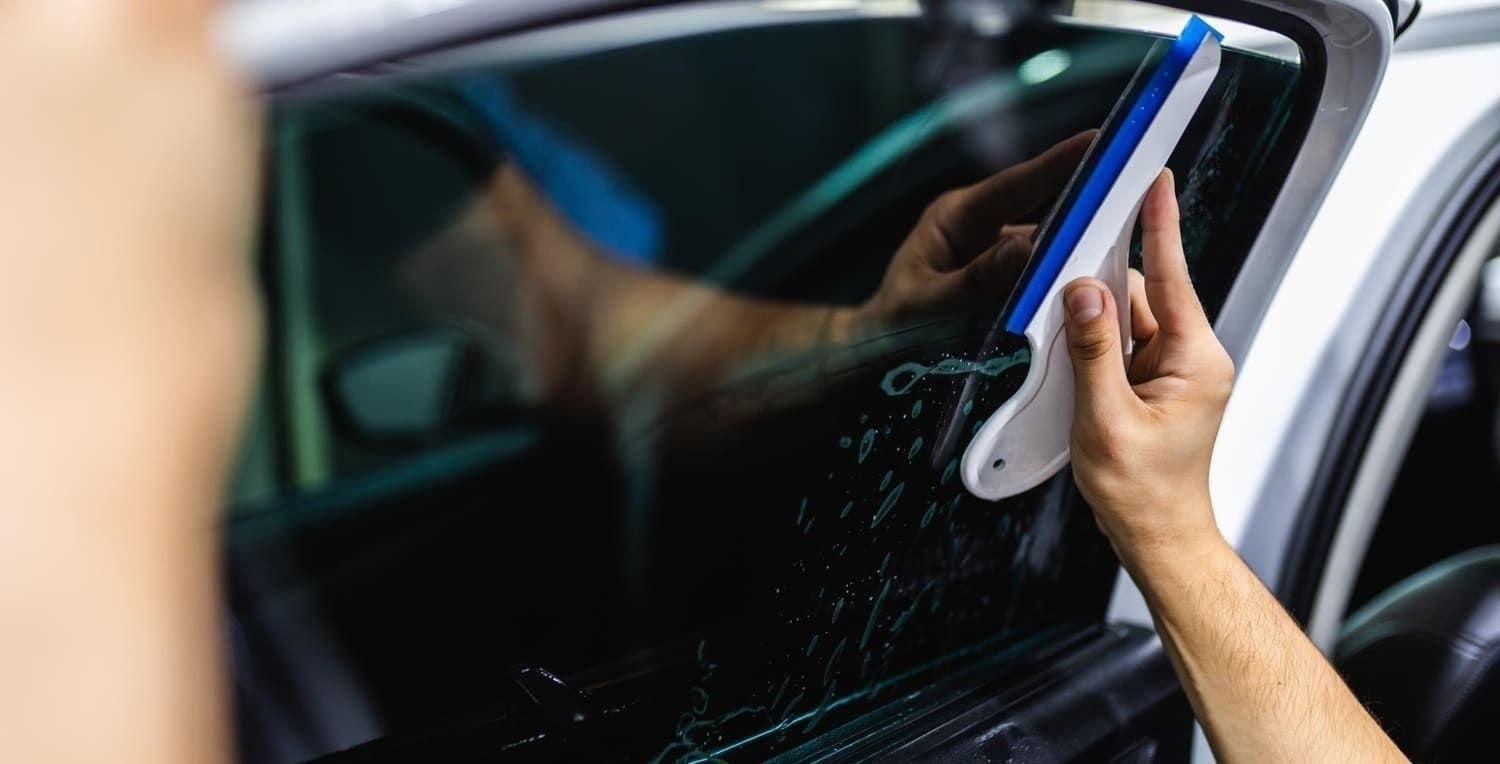
Professional installation matters more than most people think. A skilled shop will match legal VLT levels, cut film to fit, and install it cleanly so you avoid bubbles, gaps, or peeling edges. LLUMAR films paired with expert installation also come with lifetime film warranties, so you are not redoing the same job again and again.
Make Your Next Drive Cooler, Safer, and Easier on Your Eyes
For Florida drivers, the benefits of car window tinting really come down to three pillars: UV protection to help defend skin and interiors from sun damage, IR rejection to keep real heat out of the cabin, and the right VLT to reduce glare while still seeing clearly in bright sun and sudden storms. When those three work together, your car feels more comfortable, looks better, and stays in nicer shape over time.
It can help to take a quick look at your own daily drive. Are your seats and steering wheel too hot after work? Is your dash starting to fade or crack? Do you catch yourself squinting through sunrise or sunset on your commute? At Solartex Window Tinting, we use LLUMAR films and our local experience to match film type and shade to your car, your habits, and your style so every drive around Fort Myers and Lee County feels easier on your eyes and cooler from the moment you open the door.
Protect Your Vehicle With Professional Window Tinting Today
Experience a cooler, more comfortable ride while protecting your interior and skin with expert tinting from
Solartex Window Tinting. Our team is ready to help you choose the ideal film for your car and explain the key
benefits of car window tinting based on your driving needs.
Reach out today to
schedule your appointment so we can improve your comfort, enhance privacy, and help extend the life of your vehicle.