Can Ceramic Tint Interfere With GPS, Wi-Fi, or 5G?
If you've done any research into window tint, you've probably come across warnings about tint interfering with GPS, cell signal, or Bluetooth. It's a fair concern, especially with how much modern vehicles rely on connected technology, from navigation and hands-free calling to keyless entry and, for EV and luxury owners, advanced driver-assist systems. The good news is that the answer depends entirely on what type of film is on your windows, and ceramic tint has a very different track record than the metalized films that earned this reputation in the first place.
Solartex Window Tinting, an authorized LLumar and Ceramic Pro dealer serving Fort Myers and Lee County, fields this question constantly, especially from Tesla, Porsche, and Bentley owners whose vehicles depend heavily on onboard electronics. Here's what actually happens with ceramic tint and your car's signal-based technology.
Why This Question Exists in the First Place
Signal interference concerns around window tint aren't new, and they aren't baseless. They come from a real limitation in one specific category of film.
Metalized Film Is the Real Source of the Problem
Metalized window tint contains tiny metallic particles that reflect heat and UV rays. Those same metallic particles can also reflect and block radio frequency signals, the same way a metal roof or foil-lined material can weaken a wifi or cell signal indoors. This is where the widespread warning about tint blocking GPS and phone signals originated, and it's a legitimate limitation of that specific film category.
Older Films Made the Reputation Worse
Many drivers who experienced signal issues years ago were likely dealing with older metalized or hybrid films, which were more common before ceramic technology became widely available and affordable. That experience got generalized into "window tint interferes with electronics," even though it doesn't apply across every film type.
How Ceramic Tint Is Fundamentally Different
Ceramic window tint solves the heat and UV rejection problem without relying on metal particles at all, which is exactly why it doesn't carry the same signal risk.
Non-Metallic, Non-Conductive Construction
Ceramic tint uses microscopic ceramic particles instead of metal to block infrared heat and UV rays. Because these particles are non-conductive and non-metallic, they don't reflect or absorb radio frequency signals the way metal does. This is a core design difference, not a marketing claim, and it's why ceramic film is the standard recommendation for vehicles that depend on connected technology.
What Ceramic Tint Does Not Interfere With
Quality ceramic film, like the LLumar CTX Series, is engineered specifically to avoid disrupting:
- GPS and navigation signals
- Cell service, including 4G and 5G networks
- Wi-Fi connectivity for onboard infotainment systems
- Bluetooth pairing for hands-free calling and audio
- Keyless entry and remote start systems
- Toll transponders like SunPass
Why This Matters More for Modern Vehicles
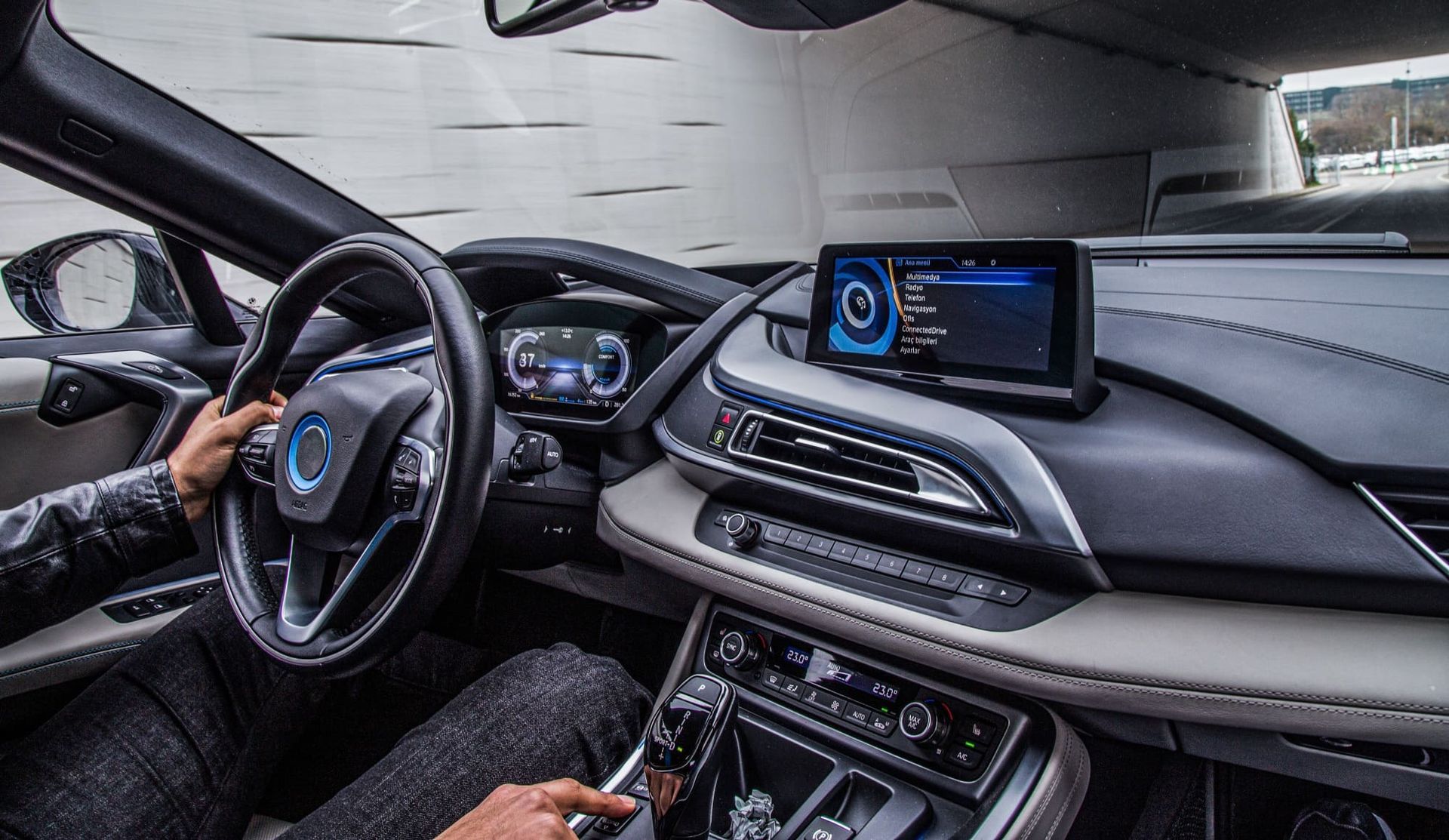
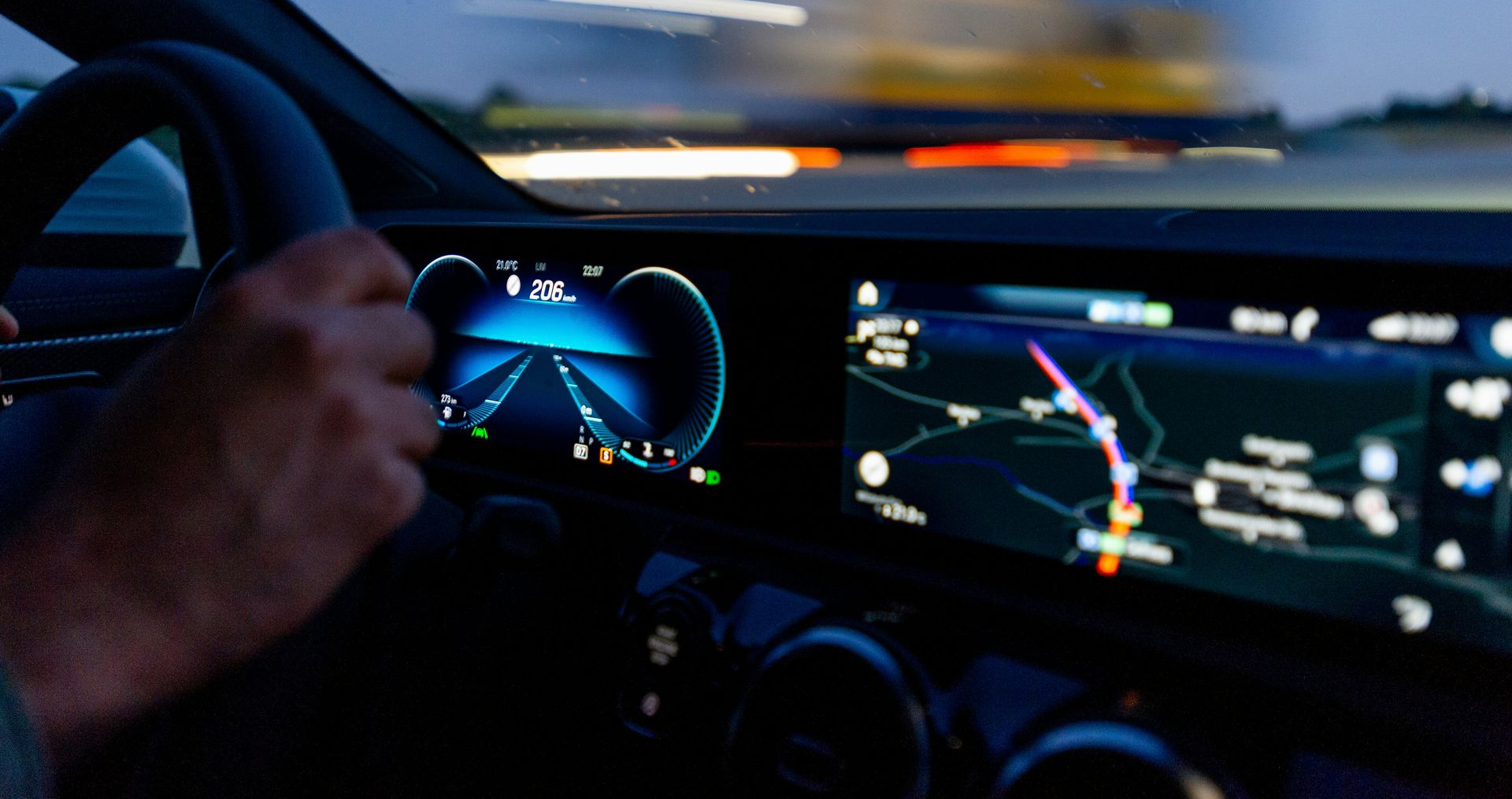
Today's vehicles rely on connected technology more than ever, from real-time traffic navigation to over-the-air software updates. For EVs and luxury vehicles in particular, where onboard electronics play a central role in daily operation, choosing a film that won't compromise that connectivity isn't optional, it's essential.
Ceramic Tint and Advanced Vehicle Technology
Tesla, Porsche, and Bentley-Level Electronics
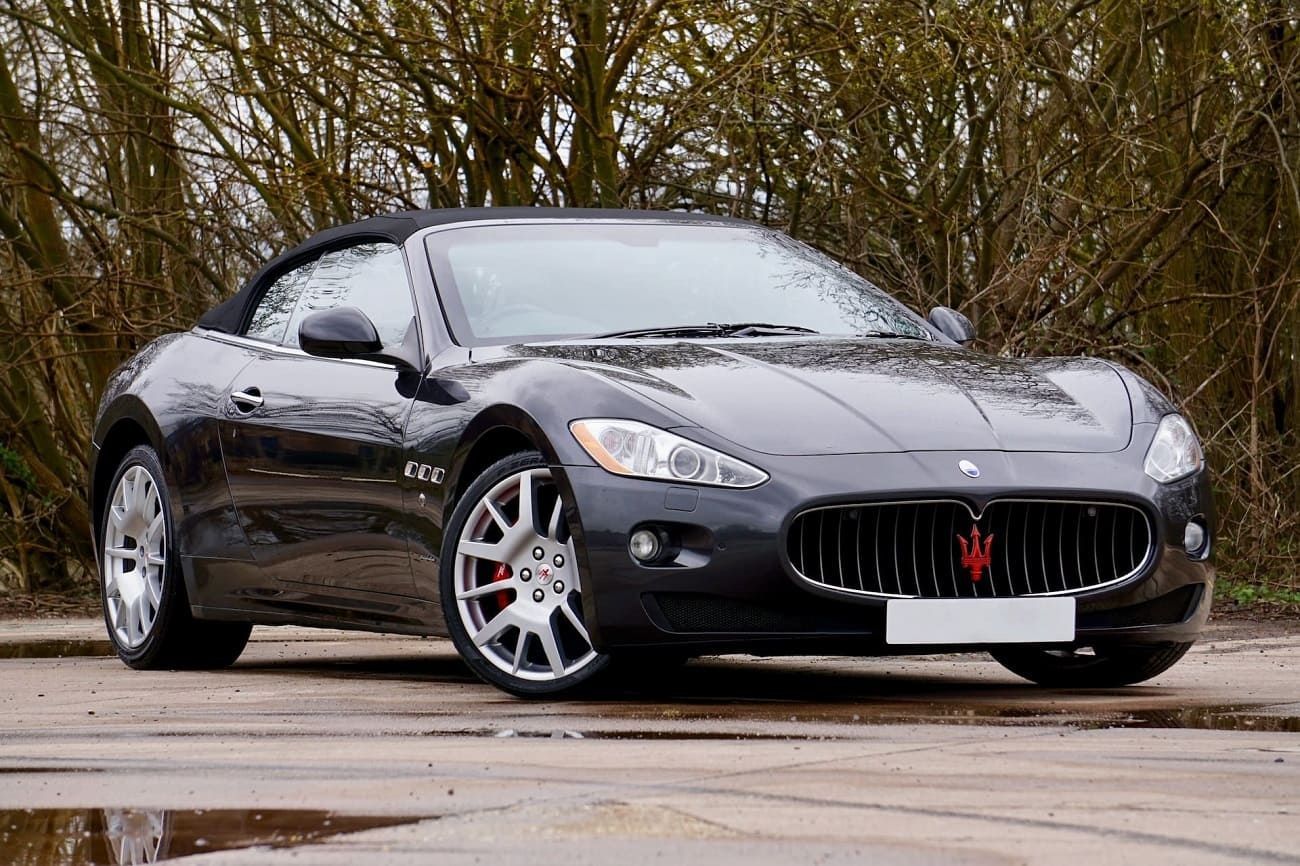
Vehicles like Tesla, Porsche, and Bentley models pack sensors, cameras, and communication systems throughout the body and cabin. High-performance ceramic tint is built to maintain signal strength for onboard electronics while still delivering strong heat rejection and UV protection, up to 99% UV blocking and around 95% infrared heat rejection with premium ceramic films. That combination is why ceramic has become the go-to choice for owners of technology-dependent vehicles.
GPS-Based Safety and Convenience Features
Whether it's turn-by-turn navigation, roadside assistance location tracking, or driver-assist features that rely on GPS positioning, none of these should be compromised by a properly selected and professionally installed ceramic film.
Ceramic vs. Metalized Tint: Signal Performance Comparison
| Feature | Metalized Film | Ceramic Film |
|---|---|---|
| Contains metallic particles | Yes | No |
| GPS signal interference risk | Possible | None |
| Cell signal (4G/5G) interference risk | Possible | None |
| Wi-Fi/Bluetooth interference risk | Possible | None |
| Toll transponder compatibility | Can be inconsistent | Reliable |
| Heat rejection performance | Good | Excellent (up to ~95% infrared with premium films) |
| UV protection | Good | Excellent (up to 99%) |
| Best suited for tech-heavy or EV vehicles | Not recommended | Strongly recommended |
What About Dyed and Carbon Film?
Dyed and carbon films are also non-metallic and generally don't cause signal interference either, but they fall short of ceramic in heat rejection and UV performance, especially in Florida's intense sun. If avoiding signal issues while also getting the strongest possible heat and UV protection is the priority, ceramic remains the clear top choice, particularly for Fort Myers drivers dealing with long stretches of direct sun exposure throughout the year.
How to Make Sure Your Tint Won't Cause Signal Problems
Confirm the Film Type Before Installation
Always ask directly whether the film being quoted is ceramic, metalized, dyed, or carbon. If a shop can't clearly answer this, that's worth pausing on before booking.
Choose a Reputable, Certified Installer
Working with an authorized dealer for established film brands like LLumar ensures you're getting genuine ceramic technology rather than a lower-grade film marketed loosely as "ceramic" without the actual non-metallic composition.
Ask About Compatibility With Your Specific Vehicle
If you drive a Tesla, another EV, or a vehicle with advanced driver-assist features, mention this during your consultation so your installer can confirm the recommended film is fully compatible with your vehicle's technology.
Frequently Asked Questions
Does ceramic tint block GPS signals?
No. Ceramic tint is made from non-metallic, non-conductive particles that don't interfere with GPS reception, unlike older metalized films.
Will ceramic tint affect my phone's cell signal in the car?
No. Quality ceramic film is designed to have no impact on 4G or 5G cell signal strength inside the vehicle.
Can ceramic tint interfere with Wi-Fi or Bluetooth?
No. Since ceramic tint doesn't use metal particles, it doesn't disrupt Wi-Fi connectivity or Bluetooth pairing for hands-free calling or audio streaming.
Is ceramic tint safe for Tesla and other EVs?
Yes. Ceramic tint is the recommended choice for Tesla, Porsche, Bentley, and other technology-heavy vehicles because it delivers strong heat and UV protection without risking interference with onboard electronics.
What type of tint should I avoid if I'm worried about signal interference?
Metalized film is the type most likely to cause signal interference due to its metallic particle composition. Ceramic, dyed, and carbon films are all non-metallic and generally signal-safe, with ceramic offering the best overall performance.
Will my toll transponder still work with ceramic tint?
Yes. Ceramic film's non-metallic composition means toll transponders like SunPass continue to function normally.
Choose Tint That Protects Without Compromise
Ceramic tint gives you the heat rejection, UV protection, and glare reduction you want without putting your vehicle's GPS, cell signal, Wi-Fi, or Bluetooth at risk. The signal interference reputation belongs to older metalized film technology, not the ceramic films installed today.
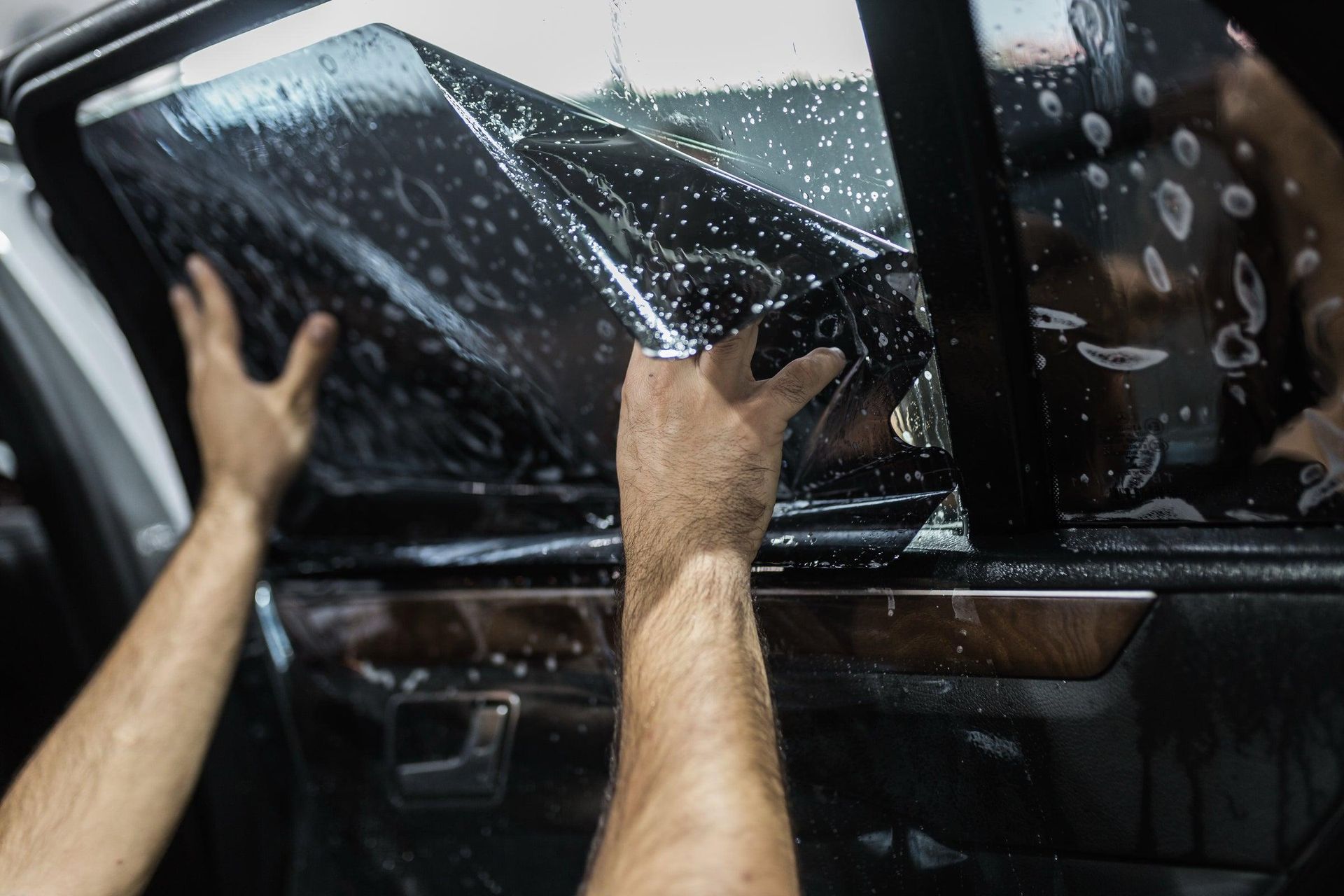
Solartex Window Tinting, an authorized LLumar and Ceramic Pro dealer serving Fort Myers and Lee County, specializes in professional ceramic tint installation backed by a lifetime warranty, including specialized service for Tesla, Porsche, and other technology-dependent vehicles. Visit the shop at 12541 Metro Pkwy, Suite 1, Fort Myers, FL 33966, or call (239) 561-8468 for a free estimate and expert guidance on the right ceramic tint for your vehicle.