Ceramic vs. Dyed vs. Carbon Tint in Florida: Heat, Fading, Lifespan
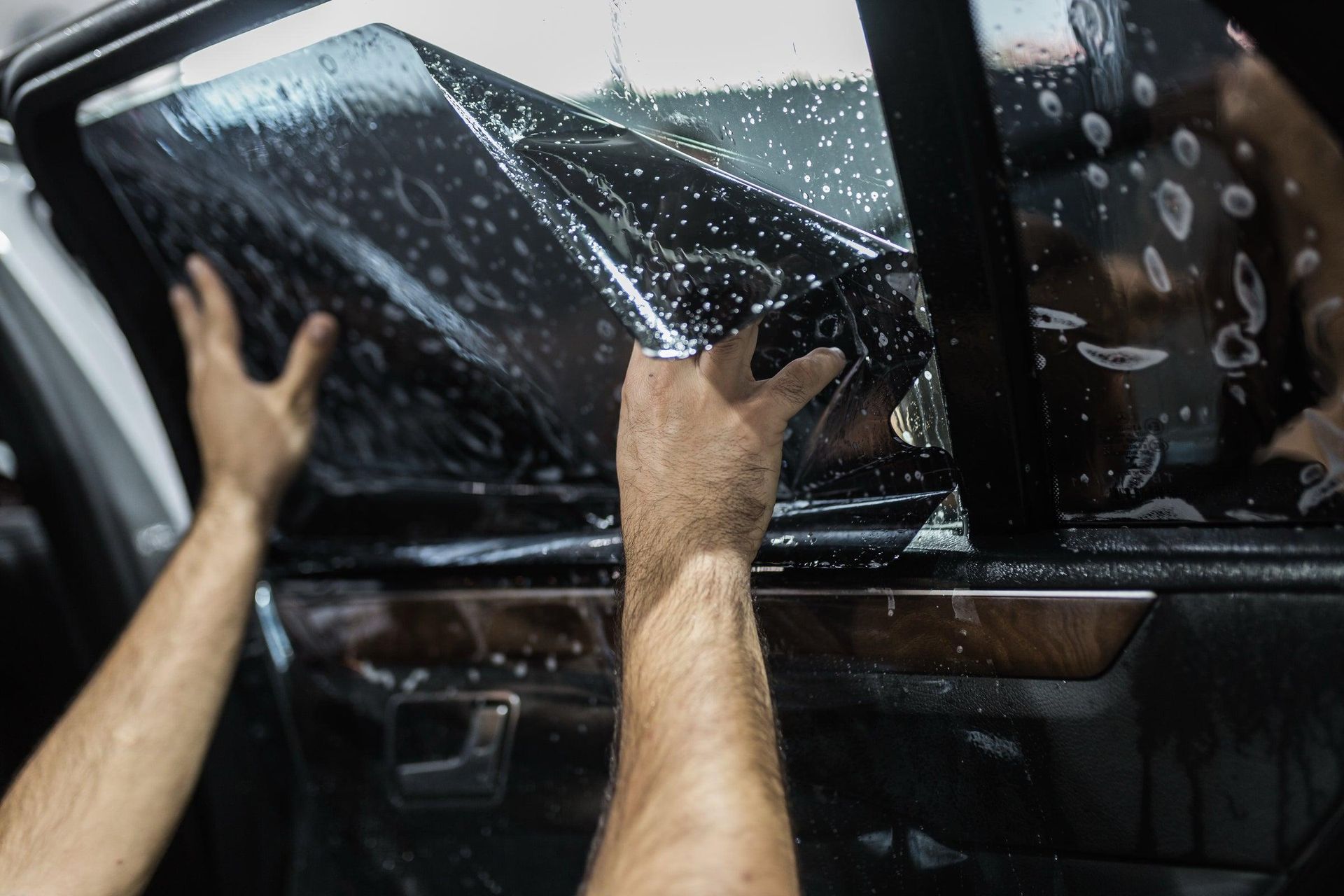
Keep Your Cool in Florida: Which Tint Really Works
Ceramic tint vs. standard tint is not just a style choice in Florida, it is a comfort and safety choice. Our sun, humidity, and long daylight hours beat up weak window film fast, so the type of tint you pick matters a lot more than most people think.
Late summer and early fall in Fort Myers still feel like full-on summer. You get bright sun after afternoon storms, thick humidity, and slow traffic on hot pavement. In those conditions, dark glass alone does not mean a cool cabin. Ceramic, dyed, and carbon tints each handle heat, UV, and aging in very different ways. We work with these films every day in this climate, and we see what really holds up and what fails.
How Florida’s Climate Punishes Cheap Window Tint
Florida is hard on anything that sits in the sun, and window film is at the front of the line. The UV index stays high well past summer, daylight lasts long, and glass turns vehicles and rooms into little greenhouses.
Here is what that does to low-quality or basic dyed films:
- Faster fading and color shift on exposed glass
- Bubbling along defroster lines and edges
- Peeling near the top of the windshield strip and side windows
- A hazy, cloudy look that hurts visibility
As the film breaks down, glare gets worse, not better. Night driving can feel risky when your windows are streaked, purple, or bubbly. In heavy afternoon storms, you want clear vision, not distorted light bouncing through old tint.
Florida also has window tint laws, and if your old tint fades unevenly or starts to peel, it can draw more attention than you want. All of this is why a deeper look at ceramic tint vs. standard tint matters more here than in a cooler, drier state.
Dyed Tint: Lowest Cost, Fastest to Fade
Dyed tint is usually what people think of when they hear “standard tint.” It is a polyester film with dye added to make it darker. At first, it can look sleek and do a decent job cutting glare.
In Florida, the limits of dyed film show up fast:
- It blocks some light but not much of the infrared heat that actually makes you feel hot
- Cabins still heat up quickly when parked in the sun
- Rear glass and sun-facing sides fade and change color sooner
After a few years in our sun, many dyed films turn from deep gray or black to a tired purple. Edges can start to bubble, and that smooth look you paid for is gone. With shorter warranty coverage and quicker failure, replacing dyed tint again and again can quietly cost more than choosing a higher quality film from the start, whether it is on a vehicle, home, or storefront.
Carbon Tint: A Step Up, but Not the Final Answer
Carbon tint is the next step up from basic dyed films. Instead of only dye, it has carbon particles in the film that help with heat control and color stability. The look is often richer and more matte, which a lot of people like.
In our Florida sun, carbon film usually offers:
- Better heat rejection than dyed films
- More stable color that stays black instead of going purple
- Good UV protection to help with interior fading
For many drivers and property owners, carbon is a big upgrade from bargain dyed tint. Cabins feel cooler, and the tint keeps its look longer. But compared to ceramic, carbon film still lets more infrared heat in. After a long day parked in an open lot or hours of sun on large glass walls, you will still feel that stored heat when you step inside.
So carbon is a solid mid-level choice if you want more comfort and a cleaner look than standard tint, without going to the very top tier. It is better, just not the final answer for maximum comfort in our climate.
Ceramic Tint: Maximum Comfort, Clarity, and Lifespan
Ceramic tint uses nano-ceramic particles that are very good at blocking infrared heat and UV while still letting plenty of visible light through. That means your tint does not have to be super dark to keep things comfortable.
In day-to-day Florida driving and living, ceramic film can bring:
- Noticeably cooler cabins and rooms, even in slow traffic
- Less strain on your AC, so it does not have to work as hard
- Better protection for seats, dashboards, floors, and electronics from fading and cracking
Ceramic tint also has high optical clarity. That means less haze at night, cleaner vision in rain, and fewer issues with glare bouncing off old film. Because ceramic films do not use metal layers, they are also known for not interfering with GPS, cell signals, or common modern vehicle systems.
Longevity is another big reason people in Fort Myers choose ceramic. Quality ceramic films resist bubbling and peeling, hold their color, and are often backed by strong manufacturer warranties. In a hot, sunny place, that kind of stability pays off year after year.
Ceramic Tint vs. Standard Tint in Florida
When we say “standard tint,” most people mean basic dyed and entry-level films chosen mainly because they are cheap. Putting ceramic tint vs. standard tint side by side in Florida tells a clear story.
Heat rejection:
- Standard dyed: cuts down on brightness but still lets a lot of heat through
- Ceramic: blocks a large share of the infrared heat that makes you feel hot
On a car parked in a lot or a living room with big south or west-facing windows, ceramic film usually means cooler surfaces, cooler air, and less of that blast of heat when you first open the door.
Fading and appearance:
- Standard dyed: prone to going lighter, turning purple, and showing bubbles
- Ceramic: built for color stability, so it keeps its shade and clarity far longer
Long-term cost of ownership is where ceramic often wins. You are likely to replace standard tint sooner and more often, especially here. Ceramic helps protect soft surfaces and trim from fading, which can help keep a vehicle or property looking newer. Less AC strain can also mean more comfort on long drives and in busy homes or offices.
Choosing the Right Tint for Your Car, Home, or Business
Different needs call for different films. We see a few common patterns around Fort Myers:
- Daily commuters and rideshare drivers often lean toward ceramic for comfort in traffic
- Work trucks and service vehicles sometimes pick carbon as a good balance of performance and toughness
- Waterfront homes and condos with big views benefit from ceramic for glare and heat
- Storefronts with large glass like the clean, stable look of carbon or ceramic
- Office spaces usually need glare control and cooler rooms during long daylight hours
Late September is actually a smart time to upgrade tint in Florida. Summer crowds start to thin, but the sun and long days are still here, and hurricane season can bring bright, blinding sun after storms. Fixing faded or failing tint now means you are ready before the next long stretch of hot, clear weather.
As a quick guide, carbon might be enough if you have shorter drives, cloth interiors, or less direct sun on your glass. Ceramic is usually the clear choice when you plan to keep your vehicle or property for years, have leather or darker interiors, park outside most of the time, or have young kids, older passengers, or anyone sensitive to heat and glare.
Professional installation and proper film selection for each glass type are key. The right film, installed the right way, protects your comfort, your view, and your investment in our bright, humid Florida sun.
Get Started With Your Project Today
If you are comparing
ceramic tint vs. standard tint, we can help you choose the best fit for your home’s comfort and energy savings. At
Solartex Window Tinting, we take the time to explain your options so you know exactly what you are getting.
Reach out today so we can review your windows, answer your questions, and provide a clear, no-pressure quote tailored to your space.