Realistic Expectations for How Long Window Tint Lasts in Florida
How Florida’s Sun Really Affects Your Window Tint
Window tint is one of the best things you can do for your car, home, or business in Florida, but our sun is tough on film. Strong UV rays, high heat, heavy humidity, and salty coastal air all team up to age window tint faster than many people expect.
Generic online answers often say tint lasts five to ten years. That can be true in mild climates, but Florida is different. Our bright sun beats down for long hours, glass gets very hot, and cabins can feel like ovens. So how long does window tint last here? The real answer depends on the film you choose, how it is installed, and how you treat it day to day.
We work with drivers, homeowners, and business owners around Fort Myers who want their tint to last as long as possible. With smart choices and good care, you can get more life from your film, even in Southwest Florida conditions.
What Determines How Long Window Tint Lasts in Florida
Several pieces have to work together if you want your tint to hold up in our climate. Some you can control, and some you cannot.
First is film quality and type. There are big differences between basic and premium tint.
- Dyed films are the entry-level choice and usually have the shortest life
- Metalized films reflect heat but can still fade or change color over time
- Carbon films resist fading better and often hold color longer
- Ceramic films handle heat, UV, and clarity at a very high level
Premium brands like LLumar are built to handle harsh sun, resist bubbling, and stay clearer longer than many off-brand options. The materials, adhesives, and scratch-resistant layers are designed for real-world use, not just lab tests.
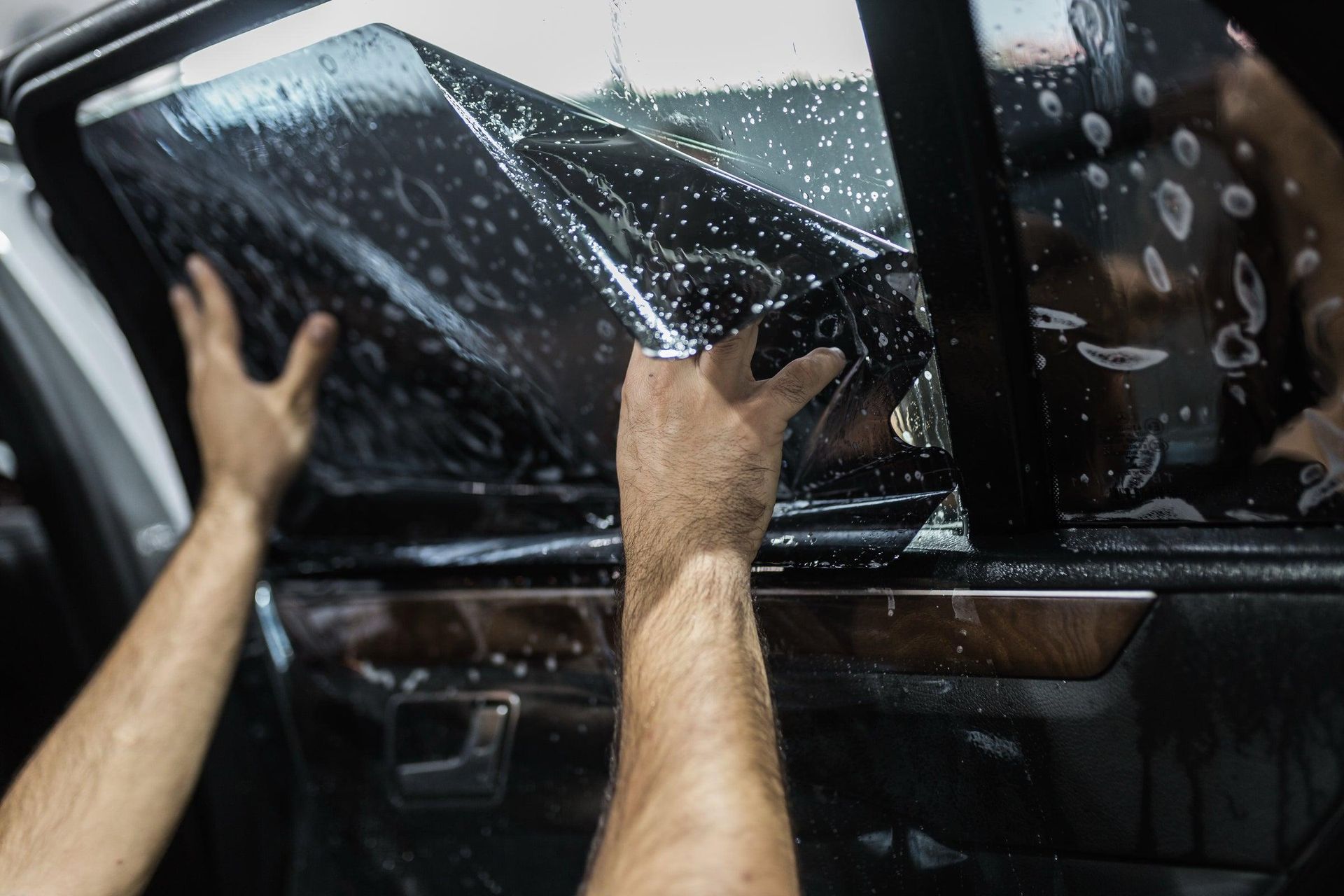
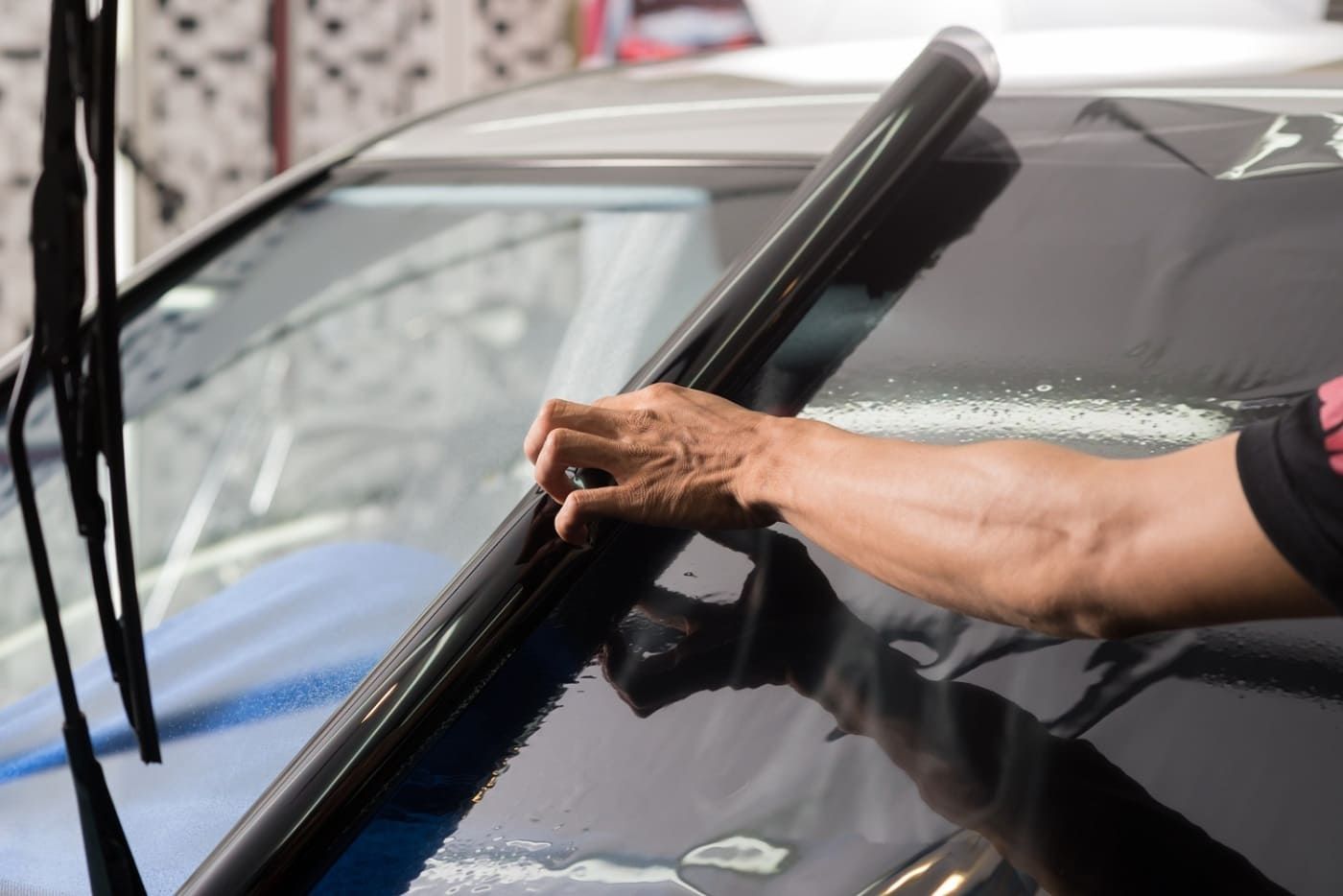
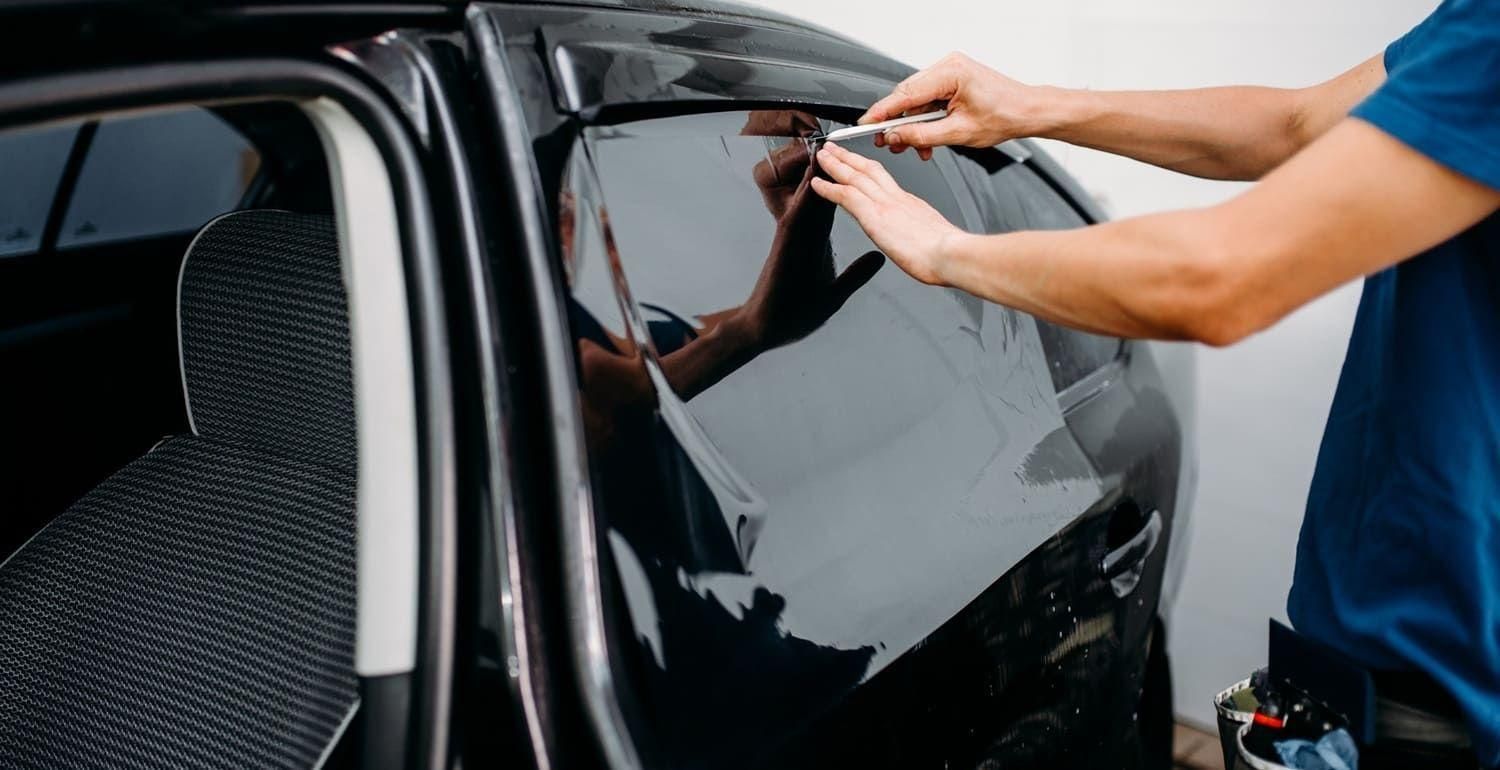
Second is installation and glass prep. Even great film can fail early if it is not installed correctly. Professional installers take time to:
- Clean and prep the glass so there is no dirt trapped under the film
- Cut the film to fit the glass properly
- Squeegee out moisture so the adhesive can grab evenly
- Allow the film to cure without being rushed or rolled down too soon
Third is your local environment. Here in Florida, two cars with the same tint can age very differently.
- Coastal areas often see faster wear from salty air and constant sun
- Parking in full sun all day heats the glass and film again and again
- Covered or garage parking lets film cool down and rest
- Vehicles and buildings that face the strongest sun get more stress
All these pieces add up to the real answer for how long your window tint will last.
Realistic Lifespans for Different Types of Tint
When people ask, how long does window tint last, we always start by asking what type of film they have and how it is used. Here are general expectations for Florida conditions.
For auto window tint:
- Budget dyed films on daily drivers that sit in open lots often start to fade or change color after a few years
- Mid-grade high-performance films usually hold up longer before you see obvious color change or haze
- Quality ceramic films on vehicles that get some shade or garage time can stay clear and effective for a longer stretch
Driving every day, long commutes, and black interiors that soak up heat all speed up aging. A lightly used car that spends more time parked under cover usually keeps its tint looking better for more years.
For home and condo tint, the story is different. Modern residential films are designed for long-term UV and heat control on large glass areas.
- Sun-facing windows that take direct light for many hours will age film faster
- Shaded sides of the home usually keep their film looking newer for a longer period
- Quality architectural films often keep working well long after older-style films would have faded
In condos with big glass walls, the top floors or units facing open water usually see the hardest conditions.
Commercial and storefront tint also faces tough use.
- Storefronts with big front windows get heavy sun and lots of cleaning
- Offices and restaurants with patio doors and large glass areas see frequent contact and wiping
- Aggressive or rough cleaning methods can scratch or lift the film edges before the adhesives are truly worn out
When treated gently, high-quality commercial films can keep a clean, professional look for a long time, even with constant customer traffic.
Warning Signs Your Tint Is Near the End of Its Life
Tint rarely fails all at once. It usually gives you signs that it is getting tired.
Visual changes are often the first clue:
- Purple or brown discoloration, especially on auto tint
- A hazy or cloudy look that does not go away with cleaning
- Wavy distortion that makes it harder to see clearly through the glass
- Noticeable fading so the tint looks lighter than when it was new
Physical failures show up next. These are hard to ignore:
- Bubbling, especially in the rear glass or near defroster lines
- Peeling or lifting at the edges or corners
- Scratches that expose clear lines in the film
- Film starting to separate from defroster wires on back windows
Then there is the performance side. You may notice:
- The cabin feels hotter, even with the AC on the same setting
- Glare from the sun or headlights feels stronger than before
- Fabrics, dashboards, or floors fade faster than they used to
Once you see several of these signs, the tint is at or past its useful life and it is time to plan for replacement.
How to Make Your Window Tint Last Longer in Florida
You cannot change our weather, but you can help your tint hold up better in it.
Smart product choices are the first step. Before picking a film, it is fair to ask, how long does window tint last in our climate with this specific product. In general,:
- Choose ceramic or other high-quality films for the best heat and UV control
- Stick with trusted brands like LLumar that are designed for long-term use
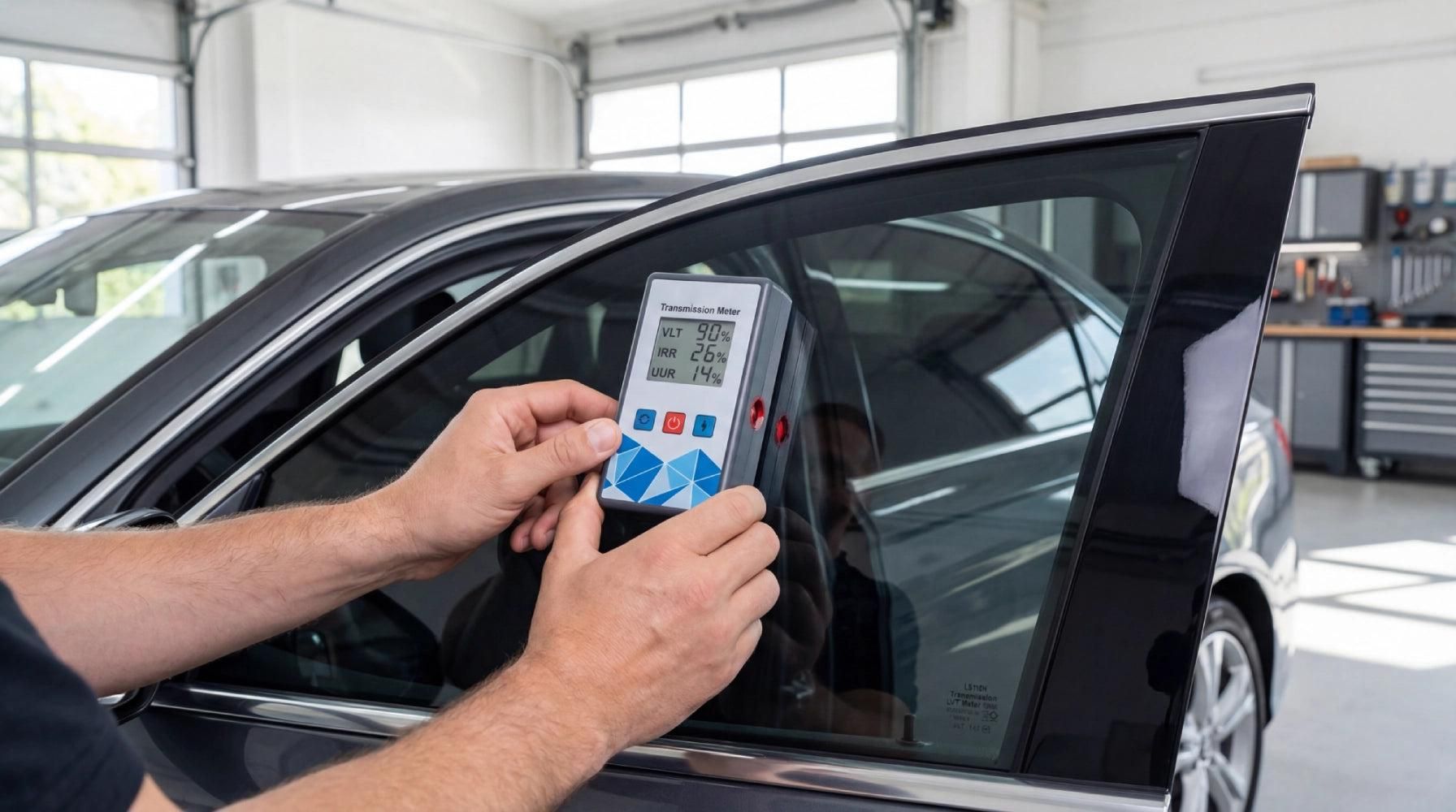
- Make sure your tint meets Florida law so it will not need to be removed early
Daily habits and parking matter more than many people think:
- Use a windshield sunshade when parked in open lots
- Park in shade or garages when you have the option
- Avoid rolling windows down until the film has fully cured after install
- Do not scrape or pick at edges or small bubbles
Cleaning and maintenance also play a big role:
- Wait until your installer says the film is fully cured before cleaning
- Use non-ammonia glass cleaners that are safe for window film
- Wipe with soft microfiber towels, not rough paper towels or brushes
- Clean gently around the edges so you do not lift the film
These simple habits help your tint stay clear, tight to the glass, and effective for more years.
When It Is Time to Retint, Make the Upgrade Count
At some point, every film reaches the end of its life, especially in Florida. When the tint on your vehicle, home, or business is discolored, bubbling, or no longer keeping out heat like it used to, replacing it can bring back comfort, privacy, and UV protection.
Newer films, especially high-performance and ceramic options from brands like LLumar, are built with improved materials that hold color, reject heat, and keep clearer views compared to many older-generation tints. When it is time to retint, it can be a chance to choose a film that performs better and lasts longer in the sun, humidity, and salty air around
Fort Myers and the rest of Southwest Florida.
Get Longer-Lasting Comfort And Protection From Your Windows
If you are wondering
how long does window tint last?, we can walk you through what to expect based on your home, windows, and goals. At
Solartex Window Tinting, we help you choose high-quality films that hold up over time while improving comfort and reducing glare.
Reach out today so we can review your options, answer your questions, and schedule a convenient time to get started.