How Much Cooler Does Ceramic Tint Make a Florida Car? Temp Tests
Beat Florida’s Brutal Summer Heat Inside Your Car
Stepping into a parked car in a Florida parking lot can feel like opening an oven. The seats sting, the steering wheel hurts to touch, and the air feels thick and heavy. Now think about opening that same car after it has quality ceramic window tint. The air is still warm, but it is not blasting you in the face, and you can actually sit down without hopping right back up.
Our sun and humidity in Southwest Florida push interior car temps up fast, especially in late-summer afternoons. Dark interiors, big glass areas, and lots of stop-and-go traffic around Fort Myers do not help. We want to walk through what really happens inside a car, how ceramic window tint works, and what kind of temperature difference you can expect in real Florida conditions, parked and driving, in sun and shade. At Solartex Window Tinting, we work in this heat every day, so our examples come from the same weather you deal with.
What Makes Ceramic Window Tint Different From Regular Tint
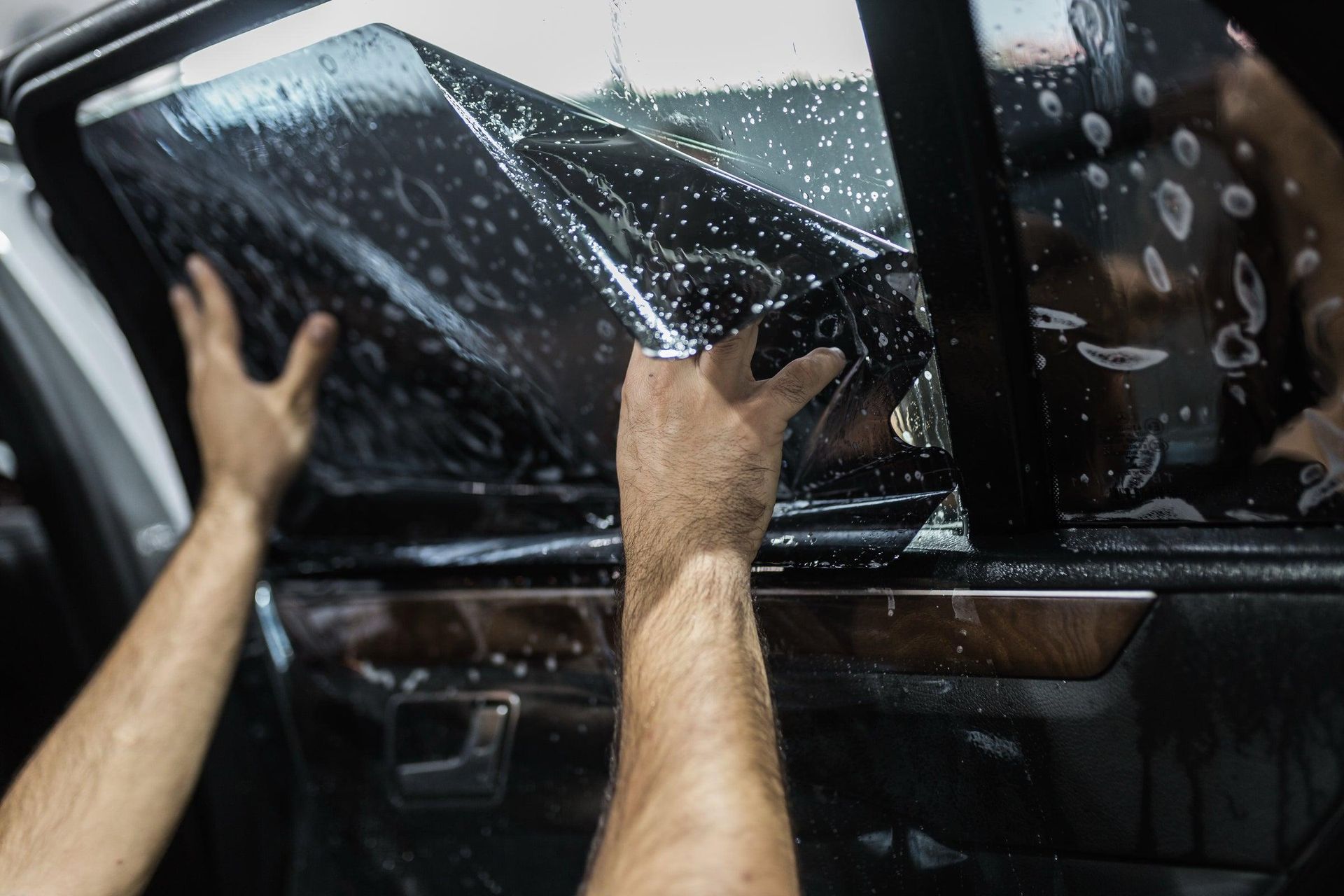
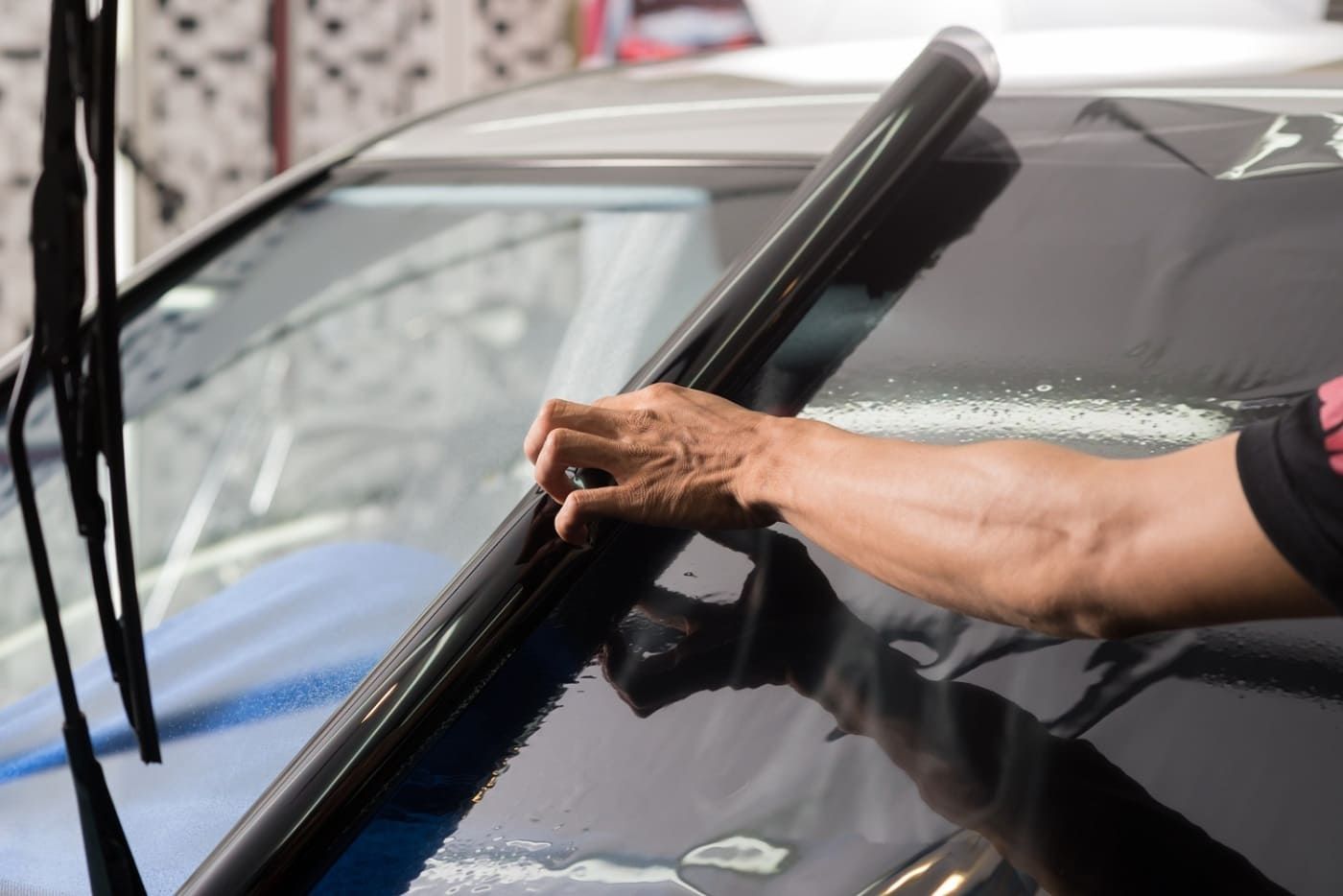
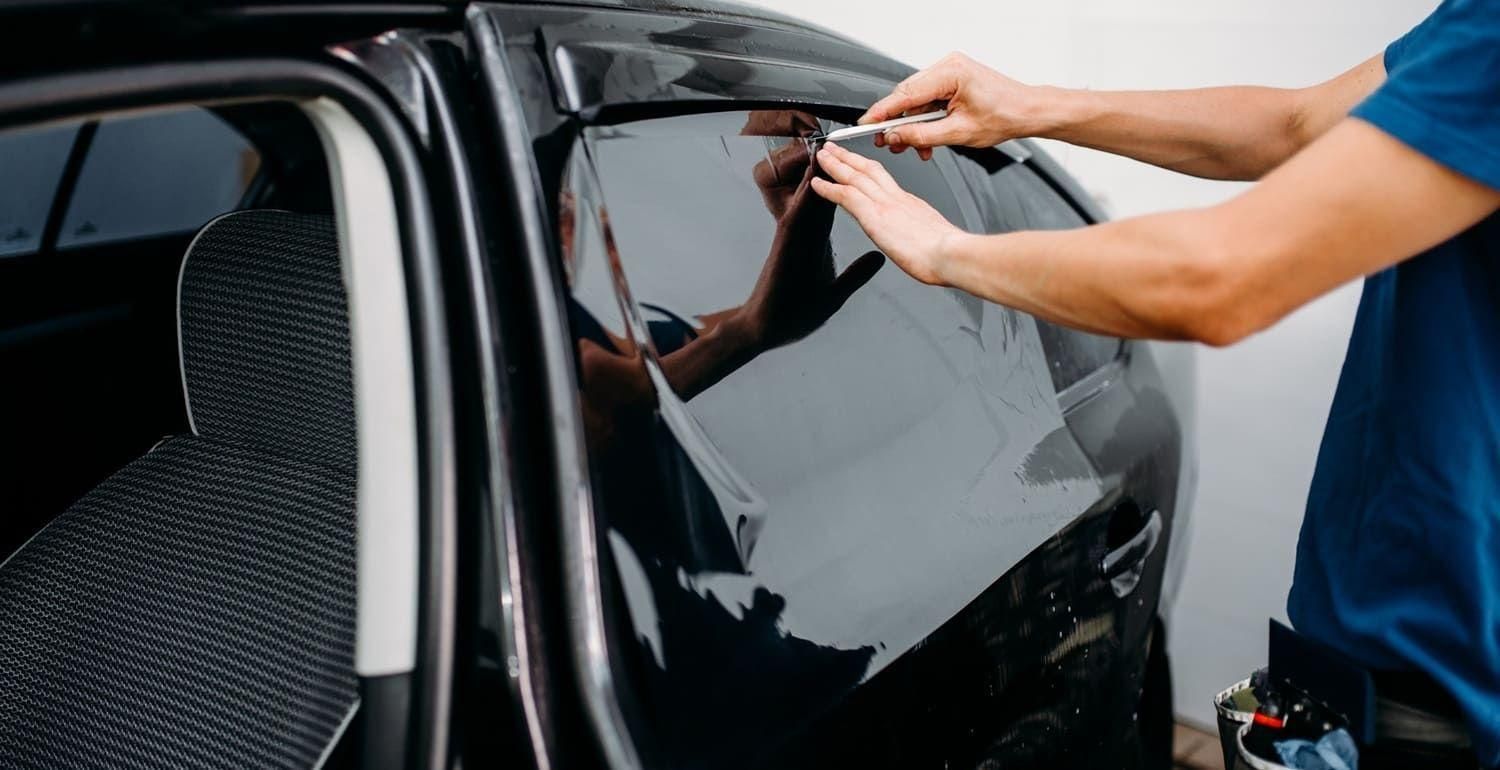
Not all window tint is the same. Ceramic window tint is built with nano-ceramic technology that is designed to block a large amount of infrared heat and UV rays. It does this without using metal, so it will not mess with GPS, cell signals, or other electronics in the car.
Here is how it compares to other common types of film:
- Dyed tint: Mostly for looks, helps with glare, but does not block much heat
- Metallic tint: Better heat rejection than dyed, but can interfere with signals
- Ceramic tint: Strong heat and UV rejection, great clarity, no signal issues
One big point many drivers miss: darkness is not the same thing as performance. A cheap dark dyed film might look cool from the outside, but it can still let a lot of heat through. A lighter ceramic window tint can keep your cabin noticeably cooler than a much darker low-quality film.
Florida also has window tint laws that set limits for how dark you can go on different windows. The good news is you do not have to push those limits to get serious heat rejection. With ceramic tint, we can stay within legal shades and still cut a lot of the heat that makes your car feel like a sauna.
Real Temperature Tests on Parked Cars in Florida
The parked car test is where ceramic tint really proves itself. A simple setup we use looks like this: two similar vehicles, with the same color if possible, parked in the same Fort Myers lot on asphalt. One has quality ceramic tint, the other has clear glass. We let them sit through the hottest part of the day, then check the temps with an interior thermometer and an infrared gun on surfaces like the dash and seats.
Here are common late summer scenarios:
- Midday parking in full sun on dark asphalt
- Late afternoon parking when the sun is lower, blasting through the side windows
- Short stops for errands where the car keeps cycling between hot and hotter
A car with no tint in full Florida sun can quickly reach a temperature that feels harsh as soon as you open the door. The steering wheel and seat surfaces can be hot enough that you do not want bare skin touching them. With ceramic window tint, cabin temps still climb, but they do not feel as extreme. The glass is not letting in as much radiant heat, so the interior warms more slowly and does not reach the same peak.
You feel the difference in simple ways:
- The air hits you less like a wall when you open the door
- Seats and steering wheel are more touchable, not sizzling
- The AC cools the cabin more quickly when you start driving
For kids and pets, that difference matters. No film makes it safe to leave them in a parked car, but better heat rejection helps lower the overall stress on everyone when you get back to the vehicle.
How Much Cooler While Driving in Sun and Shade
Driving in Florida heat can wear you out. Even with the AC running, your arms, face, and legs can feel the sun beating through the glass. To see how ceramic tint helps, we look at real driving routes around Fort Myers and Lee County and compare:
- Cabin temperature after a few minutes of driving
- Air vent temps with the AC set the same way
- Dash and door panel surface temps
We pay attention to different conditions:
- Direct midday sun on the highway, with the sun high and intense
- Partially shaded local roads with buildings and trees breaking up the light
- Stop-and-go traffic at lights, where your car sits still and heat builds faster
- Steady cruising, where airflow helps the AC keep up
With ceramic tint installed, there is less radiant heat pouring onto your skin and dashboard. The glass is not acting like a big heat lamp. That means your AC does not have to work as hard to keep the set temperature. Many drivers end up using a lower fan speed and do not need to run max AC as often, especially once the car is cooled down.
Over longer drives, that extra comfort adds up. Less heat on your face and arms can help reduce fatigue. The cabin feels calmer, instead of that constant battle against bright, hot sunlight.
Sun vs. Shade Parking and Seasonal Florida Factors
Parking in the shade is always better than parking in direct sun, but parking in the shade with ceramic tint is another step up. In open sun with no tint, your car bakes from every angle. With quality ceramic film, you reduce the heat coming through the glass. Add even partial shade, and the inside of the car feels noticeably easier to handle when you return.
Afternoon thunderstorms are common here. You can have sticky air, rain, and then bright sun again. That trapped moisture and heat inside a closed car can feel heavy and stale. Ceramic tint helps keep some of that intense heat from building in the first place, so the cabin clears out and cools down more quickly once you start moving.
There is also the long-term side. Our Florida sun is tough on interiors. Over time, strong UV rays can dry out dashboards, fade seats, and dull trim. Ceramic film helps block a large amount of that UV, which can help protect:
- Dashboards and instrument panels
- Leather and fabric seats
- Door panels and trim pieces
Windshield strips and rear window tinting also play a big role. A good sun strip at the top of the windshield helps cut glare and heat right where the sun hits your eyes and upper dash. A properly tinted rear window keeps the back of the cabin from becoming a heat pocket, which is especially nice for passengers and any cargo you keep in the rear.
Get Started With Your Project Today
Transform your home’s comfort and curb appeal with
Solartex Window Tinting. Explore our premium
ceramic window tint solutions to reduce heat, protect interiors, and cut glare without sacrificing natural light. We will walk you through film options,
provide a clear estimate, and schedule installation at a time that works for you.
Reach out today so we can help you create a cooler, more efficient home.