Ceramic Tint vs Carbon Tint: Which Wins in Florida?
Ceramic tint vs carbon tint: which wins in Florida? For most drivers in
Fort Myers and across Southwest Florida, ceramic window tint is the clear winner for staying cooler, protecting interiors, and holding up in relentless sun and humidity. Florida heat is not just uncomfortable. It can punish your vehicle every day with intense infrared energy, UV exposure, and moisture that can accelerate fading, adhesive stress, and film aging. That is why understanding
ceramic vs carbon tint is one of the most important decisions Florida drivers face when choosing
window film.
Here is the short answer: ceramic tint wins for Florida heat because it blocks significantly more infrared heat than carbon tint , often around 50 to 80 percent IR rejection versus 30 to 50 percent for many carbon options. Ceramic also offers superior clarity, typically no signal interference, and better long term stability against Florida humidity that can contribute to fading or bubbling over time. Carbon tint still delivers strong value at a lower price for budget focused drivers, and it can be a smart choice if you want a meaningful upgrade from dyed films without paying for top tier performance. The best choice depends on your heat sensitivity, your budget, and your expectations for Southwest Florida’s extreme climate.
Table of Contents
- 1) What ceramic window tint is and how it works
- 2) What carbon window tint is and how it works
- 3) Ceramic vs carbon heat rejection in Florida conditions
- 4) Clarity, UV, signals, durability, and longevity in Florida
- 5) Cost differences and whether ceramic is worth it in Fort Myers
- 6) Why Florida’s heat and humidity raise the stakes
- 7) How to choose for Fort Myers and Southwest Florida drivers
- FAQ: Ceramic vs carbon tint in Florida
1) What ceramic window tint is and how nano ceramic blocks Florida heat
Ceramic window tint uses advanced, non metallic ceramic particles to reduce heat, glare, and UV exposure. In many premium films, the technology is described as
nano ceramic because the ceramic components are engineered at extremely small sizes. That matters because it allows the film to remain clear while still filtering out a large portion of infrared energy.
Direct answer for Florida drivers: Ceramic tint performs so well in hot climates because it targets the part of sunlight that makes you feel hot inside the cabin, which is infrared heat . When your vehicle is parked in Fort Myers sun or you are stuck on I-75 in slow traffic, infrared energy pours through the glass and quickly turns the interior into a heat trap. Ceramic films are built to reduce that effect more aggressively than carbon films in many product lines.
How ceramic tint reduces heat without using metal
Some older heat rejecting films relied on metallic layers to reflect energy. Ceramic films do not need metal to be effective. That is important for drivers who rely on GPS, cellular data, Bluetooth, and satellite radio because metallic films are the most likely to create interference. A quality ceramic film is generally designed to deliver high heat rejection without creating a signal problem.
For Southwest Florida, this is a practical advantage. Many people commute between Fort Myers, Cape Coral, Naples, and Bonita Springs. If you are constantly using navigation, hands free calls, or streaming, a non metallic film is the low risk option.
Where premium ceramic films fit, including LLumar CTX and IRX
At Solartex Window Tinting, premium
LLumar window film options such as the
LLumar CTX Series and
LLumar IRX Series are popular among Florida drivers who want maximum comfort and long term performance. In simple terms, CTX is a strong step up for heat control, while IRX is designed for drivers who want the highest level of infrared rejection and clarity available in a ceramic line.
If your main question is which tint blocks more heat in Florida , this is where ceramic films can justify their reputation and cost. Not every ceramic film is identical, but premium ceramic products tend to deliver the biggest real world difference on hot days.
2) What carbon window tint is and why it is a strong value in Florida
Carbon window tint typically uses carbon based particles or layers to reduce heat and improve appearance compared to basic dyed films. Carbon tint is commonly chosen because it offers a strong balance of performance and price. For many Florida drivers, it feels like the “sweet spot” when they want more comfort than entry level tint can provide but do not want to pay for top tier ceramic.
Direct answer: Carbon tint can work well in Southwest Florida, especially if your main goal is glare reduction, a cleaner look, and a meaningful bump in heat rejection over dyed film. It is also often more color stable than low quality films that can fade or shift tone.
How carbon tint rejects heat
Carbon films are built to absorb and block energy rather than relying on metallic reflectivity. They can reject some infrared heat and reduce total solar energy, but in many product comparisons, their infrared performance is typically lower than premium ceramic films. That gap becomes more obvious in Florida because your cabin heat load is extreme for much of the year.
Many drivers choose carbon when they want good results at a more affordable rate. If you mostly drive early mornings, evenings, or shorter trips around Lee County, carbon may meet your needs. If you park outdoors all day or drive long distances during peak sun, ceramic becomes more compelling.
Where carbon fits in LLumar lines
Solartex Window Tinting also offers quality films such as LLumar ATC Series for drivers who want a trusted brand and professional installation. ATC is not a ceramic film, but it can be a good option when budget is a primary factor and you still want a durable, professional grade film from a leading manufacturer.
3) Ceramic vs carbon tint heat rejection in Florida’s sun and humidity
If you only read one section, read this one. Florida drivers search terms like ceramic vs carbon tint and which tint blocks more heat Florida because heat is the pain point. The most important performance numbers are usually infrared (IR) rejection and total solar energy rejected (TSER) .
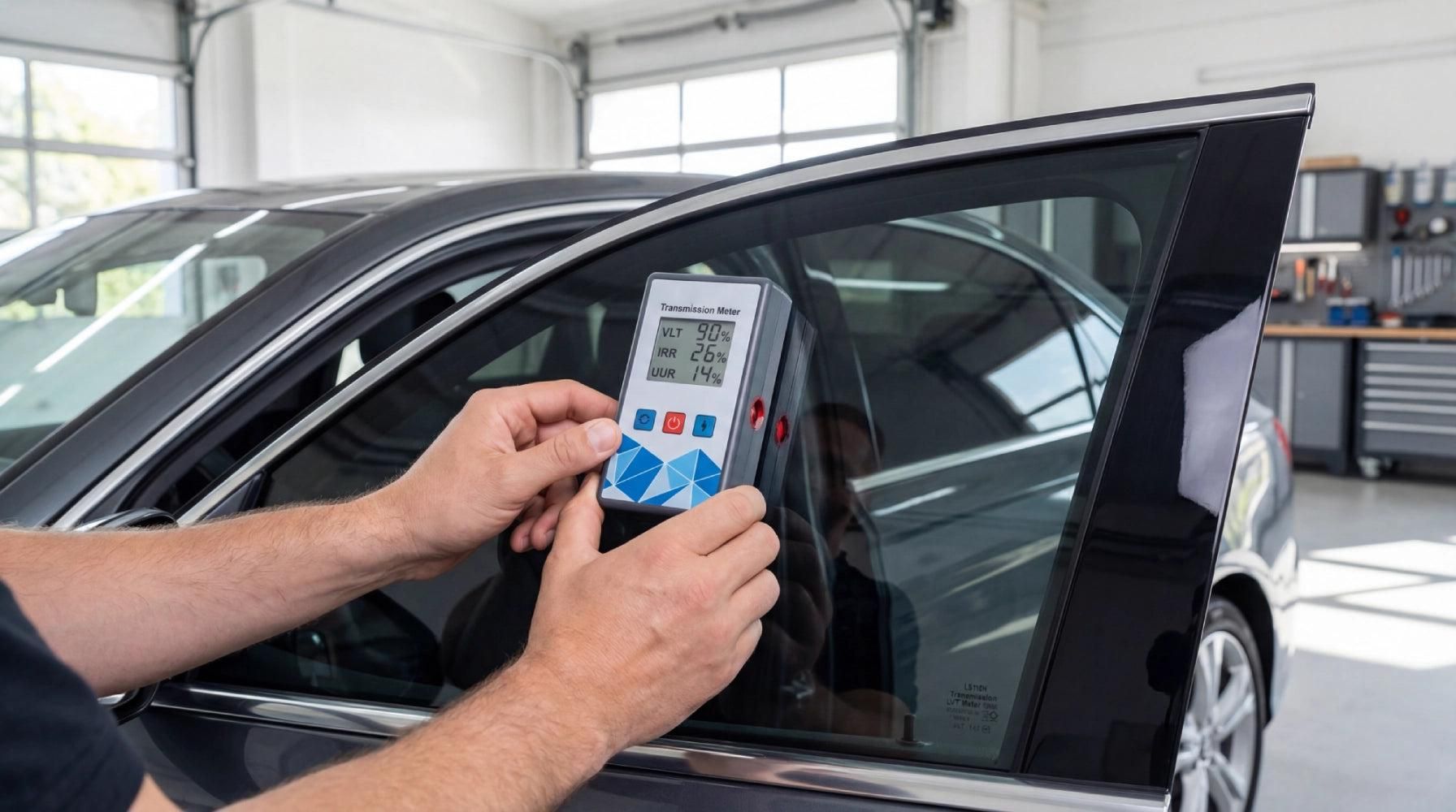
Direct answer: In many real world comparisons, ceramic tint rejects more infrared heat than carbon tint . A helpful rule of thumb is that many ceramic options may land around 50 to 80 percent IR rejection while many carbon options may land around 30 to 50 percent , depending on brand and film line. That difference is exactly what Florida drivers feel in the seat, steering wheel, and cabin air temperature.
Why Florida magnifies the difference
In cooler climates, carbon can feel “good enough” most of the year. In Fort Myers, the heat season is long, the sun is intense, and interior temperatures spike fast. When you combine strong sun with humidity and frequent storms, your film is also working in a tougher environment. That is why drivers often report a bigger comfort jump when they move from carbon to ceramic in Southwest Florida than they might in milder states.
Florida specific comparison table: ceramic vs carbon
| Feature (Florida focused) | Ceramic tint | Carbon tint |
|---|---|---|
| Infrared heat rejection | Typically higher, often ~50 to 80% depending on film | Typically moderate, often ~30 to 50% depending on film |
| Total solar energy rejection (TSER) | Higher potential, especially in premium lines | Moderate to strong, varies by product |
| UV protection | High in quality films | High in quality films |
| Optical clarity and color | Very clear, stable tone | Good clarity, stable look, may be slightly less crisp |
| Signal interference | Typically none (non metallic) | Typically none (non metallic), depends on construction |
| Fade resistance in humidity | Excellent long term stability | Strong, but may not match premium ceramic over long timelines |
| Longevity in extreme heat | Excellent with quality film and installation | Good to very good with quality film and installation |
| Price range and value | Higher price, highest performance value for heat sensitive drivers | Lower price, strong value for budget focused drivers |
Technology matters more than darkness: performance by tint percentage
Many drivers assume a darker tint always blocks more heat. Darkness affects visible light transmission (VLT) and glare, but film technology can matter more than darkness for infrared heat rejection. That is why a lighter ceramic film can sometimes outperform a darker carbon film for heat control.
| Example scenario (same vehicle, Florida sun) | Expected heat control takeaway |
|---|---|
| 35% ceramic vs 35% carbon | Ceramic typically feels cooler because it targets more IR heat |
| 20% ceramic vs 20% carbon | Both reduce glare, but ceramic usually delivers stronger heat rejection |
| 35% ceramic vs 20% carbon | Lighter ceramic can still compete with darker carbon for heat, while keeping better visibility |
Practical Florida takeaway: Choose your tint percentage based on legal limits, night driving comfort, and privacy goals, then choose film technology (ceramic vs carbon) based on your heat expectations.
4) Clarity, UV protection, signals, durability, and longevity in Florida
Heat rejection is the headline, but long term satisfaction is usually decided by the details. Florida drivers also care about how the tint looks after years of sun, whether it stays clear, and whether it resists bubbling and edge wear.
Optical clarity and viewing comfort
Direct answer: Ceramic tint is generally known for superior clarity . This matters in Florida because many people drive at sunrise and sunset with strong glare angles, and sudden rain can reduce visibility fast. A film that stays crisp and neutral helps reduce eye strain and improves daily comfort.
Carbon tint can still look excellent, especially in higher quality lines. The difference is that premium ceramic products are designed to maintain a very clear appearance even while rejecting more heat.
Color stability and the “purple tint” problem
One of the most common fears in Florida is tint that fades, shifts color, or turns purple. That tends to happen with low quality dyed films and low grade materials, not with reputable premium products. Still, climate accelerates wear, so choosing a quality film and professional installation matters.
Direct answer: Ceramic tint typically offers top tier long term stability. Carbon tint also tends to be more stable than basic dyed films. If you want the strongest defense against long term color change in Southwest Florida, ceramic is usually the safer bet.
Signal interference (cell, GPS, radio, toll transponders)
Drivers often ask whether tint will block signals. Metallic films can cause issues. Ceramic and carbon films are typically non metallic, so interference is generally not expected. If you rely on navigation between Fort Myers, Naples, and Cape Coral, non metallic tint is a smart choice.
UV protection and interior preservation
Both ceramic and carbon films can provide excellent UV protection when you choose a quality product. UV protection matters in Florida because it helps reduce cracking, fading, and aging of seats, dash materials, and interior trim.
Direct answer: If you are mainly tinting for UV protection, both options can be strong. If you want UV protection plus maximum cabin cooling, ceramic tends to deliver the bigger benefit.
Durability and longevity in heat and humidity
Florida humidity and frequent temperature swings can stress adhesives and materials over time. A quality installation reduces risk of edge lift, bubbling, and premature wear. Film quality also matters. A premium ceramic film is often engineered for long term stability and may better maintain performance after years of sun exposure.
This is where working with a professional shop like Solartex Window Tinting matters. The best film can underperform if installation is rushed, glass prep is imperfect, or curing guidance is not followed.
5) Ceramic vs carbon tint cost in Fort Myers, and is ceramic worth it?
Cost is often the deciding factor. Many Florida drivers love the idea of ceramic tint, then pause at the price. The best way to think about cost is to compare it to how long you plan to keep the vehicle and how much you value daily comfort.
What you are paying for
Ceramic tint costs more because the materials and manufacturing are more advanced and the performance ceiling is higher, especially for infrared heat rejection and clarity. Carbon tint usually costs less while still delivering strong visual improvement, glare reduction, and good heat control.
Is ceramic tint worth the premium for Southwest Florida drivers?
Direct answer: Ceramic tint is usually worth it in Fort Myers and Lee County if any of these describe you:
- You park outdoors at work or at home most days.
- You drive long distances in peak sun hours.
- You are sensitive to heat or you want the cabin to cool faster with AC.
- You plan to keep the vehicle for several years.
- You want the best combination of comfort, clarity, and long term performance.
Carbon tint can be the right choice if you want a meaningful upgrade at a lower cost and your main goal is glare reduction and moderate heat control without paying for maximum infrared rejection.
Brand positioning with LLumar ATC, CTX, and IRX
Solartex Window Tinting installs premium
LLumar window films, including options like
LLumar ATC Series ,
LLumar CTX Series , and
LLumar IRX Series . For Florida drivers choosing between ceramic and carbon, CTX and IRX are often the best match when maximum heat rejection and clarity are the priority, while ATC can serve drivers who want a reputable, professionally installed solution at a more accessible price point.
6) Why Florida’s extreme heat and humidity make this choice more critical
Florida is not a “normal” tint environment. The sun intensity is high, the heat is persistent, and humidity is a constant factor. Even short trips can feel uncomfortable when your interior surfaces are absorbing and radiating heat.
Direct answer: The hotter the climate, the more important infrared rejection becomes. That is why the ceramic vs carbon decision matters more in Fort Myers than it might in many other regions.
What Florida drivers actually notice day to day
- Steering wheel and seat temperature: Better IR control helps reduce that “burn” feeling after parking.
- Cabin cool down time: Stronger heat rejection helps your AC recover faster.
- Glare and eye strain: Both tint types can help, but clarity and consistent tone matter.
- Long term looks: Stable films are less likely to show aging quickly in harsh sun.
7) How Fort Myers drivers should choose ceramic vs carbon tint
There is no single perfect tint for every driver. The best choice depends on how you use your vehicle and what you expect the film to do for you in Southwest Florida.
Choose ceramic tint if you want maximum heat rejection and comfort
Ceramic tint is often ideal for:
- Daily commuters driving between Fort Myers and surrounding areas like Cape Coral and Naples.
- Drivers who sit in traffic, do deliveries, or spend long hours in the car.
- Families who want a cooler cabin for passengers, including children and pets.
- Vehicle owners who want the best overall performance for Florida heat.
Choose carbon tint if you want strong value at a lower price
Carbon tint is often ideal for:
- Budget conscious drivers who still want a professional upgrade.
- Drivers who park in a garage or shaded areas most of the time.
- Vehicles that are used for shorter trips or mostly off peak hours.
Match the choice to your vehicle type
Sedans and compact cars: Ceramic can make the cabin noticeably more comfortable because smaller interiors heat up quickly.
SUVs and trucks: More glass area means more heat load. Ceramic is often the best choice if you want to reduce the “greenhouse effect,” especially in bright Southwest Florida sun.
Luxury vehicles: Many owners prefer ceramic because of clarity and premium feel, and because they want long term interior preservation.
Match the choice to your daily driving patterns
Ask yourself:
- Do I regularly drive between 11 a.m. and 4 p.m.?
- Does my car sit in an open parking lot all day?
- Do I dislike blasting AC to stay comfortable?
- Do I keep vehicles long term?
If you answered “yes” to most of these, ceramic is usually the best value in Florida because it improves daily comfort the most.
FAQ: Ceramic vs carbon tint for Florida drivers (15 questions)
Which blocks more heat in Florida, ceramic or carbon tint?
Ceramic tint typically blocks more heat in Florida because it rejects more infrared energy than most carbon films.
How much heat does ceramic tint block compared to carbon?
Many ceramic films reject roughly 50 to 80 percent of infrared heat, while many carbon films reject roughly 30 to 50 percent, depending on film line and specs.
Is ceramic tint worth the extra cost in Fort Myers?
For many Fort Myers drivers, yes. If you drive in peak sun, park outside, or want maximum comfort, ceramic often delivers the best return.
Is carbon tint good enough for Southwest Florida heat?
Carbon can be good enough if you want moderate heat rejection and great value, especially when paired with a quality brand and professional installation.
What percentage of heat does ceramic tint block?
It depends on the film line and testing method, but ceramic tint commonly blocks a significant portion of infrared heat, often in the 50 to 80 percent range for many premium options.
Does ceramic tint keep your car cooler than carbon in Florida?
In most cases, yes. Ceramic generally reduces cabin heat more effectively in Florida sun due to higher infrared rejection.
Does carbon tint block cell phone or GPS signal?
Carbon tint is typically non metallic, so signal interference is generally not expected. Metallic films are the type most associated with interference.
How long does ceramic tint last vs carbon tint in Florida?
Both can last for years with quality products and installation, but ceramic is often chosen for maximum long term stability in extreme heat and humidity.
Is ceramic tint clearer than carbon tint?
Ceramic tint is generally known for superior optical clarity, especially in premium film lines.
What is the price difference between ceramic and carbon tint?
Ceramic typically costs more due to higher performance materials. The exact difference depends on vehicle type, number of windows, and film series selected.
Can you feel the difference between ceramic and carbon tint in Florida?
Many drivers do, especially during summer and when the vehicle is parked outdoors. The difference is usually most noticeable in seat and surface temperature and overall cabin comfort.
What is LLumar ceramic tint heat rejection?
LLumar ceramic films such as CTX and IRX are designed for strong heat rejection. The exact numbers vary by film and shade, so ask Solartex Window Tinting for the specific specs for your chosen VLT.
Does darker tint block more heat than lighter ceramic tint?
Not always. Darker tint reduces visible light, but ceramic technology can reject infrared heat very effectively even at lighter shades.
What does Solartex Window Tinting recommend for maximum heat rejection?
For drivers prioritizing maximum comfort in Southwest Florida heat, Solartex often recommends premium LLumar ceramic options such as CTX or IRX, selected based on your goals and legal limits.
Does ceramic tint fade or turn purple in Florida climate?
High quality ceramic tint is designed for color stability. Purple shifting is most often associated with low quality dyed films, not premium ceramic products.
Conclusion: Ceramic wins for Florida heat, carbon wins for budget value
Ceramic tint vs carbon tint is ultimately a question of performance expectations. If your priority is the coolest cabin, the best infrared heat rejection, superior clarity, and long term durability in Fort Myers sun and humidity, ceramic tint is the winner for Florida . For drivers who want a meaningful upgrade at a lower price and still want strong style and comfort benefits, carbon tint offers excellent value .
If you are deciding between
LLumar ATC ,
LLumar CTX , or
LLumar IRX , the right answer depends on how you drive, where you park, and how much heat you want to take off your daily routine. For help choosing the best option,
contact
Solartex Window Tinting for an expert consultation and professional installation. Whether you are in
Fort Myers, Cape Coral, Naples, Bonita Springs, or anywhere in Lee County, the right film can make Florida driving feel dramatically more comfortable.