Selecting Window Tint Shades That Still Pass Florida Inspections
Stay Cool and Legal During Florida’s Hottest Months
Driving around Fort Myers and the rest of Lee County in late August means strong sun, bright glare, and busy roads. The heat builds all day, and that sun comes straight through your windshield and side windows. It is no surprise that many drivers want darker tint to keep the car cooler and add privacy.
The tricky part is staying comfortable while still passing Florida inspections and avoiding tickets. Go too dark and you can end up with fines or be told to strip the tint off, which is expensive and annoying. Choose wisely and you can enjoy a cooler, sharper-looking car that still keeps you on the right side of the law.
That is where understanding Florida window tint laws explained in plain, simple language really helps. When you know the limits before you tint, you can pick shades that fit your style, keep your car cooler, and still pass checks for years to come. Our goal is to make those choices easier so you do not have to guess.
Florida Tint Laws Explained in Plain Language
Florida tint rules mostly revolve around one idea: how much light your windows still let in after tint is installed. This is called visible light transmission, or VLT. The higher the VLT number, the lighter the tint. The lower the number, the darker the tint.
Here is the basic idea in simple terms:
- The front side windows must stay lighter than the rear windows
- Only a specific strip at the top of the windshield can be tinted, not the whole windshield
- The rules for rear side windows and the back window are a bit more relaxed, especially for SUVs and vans
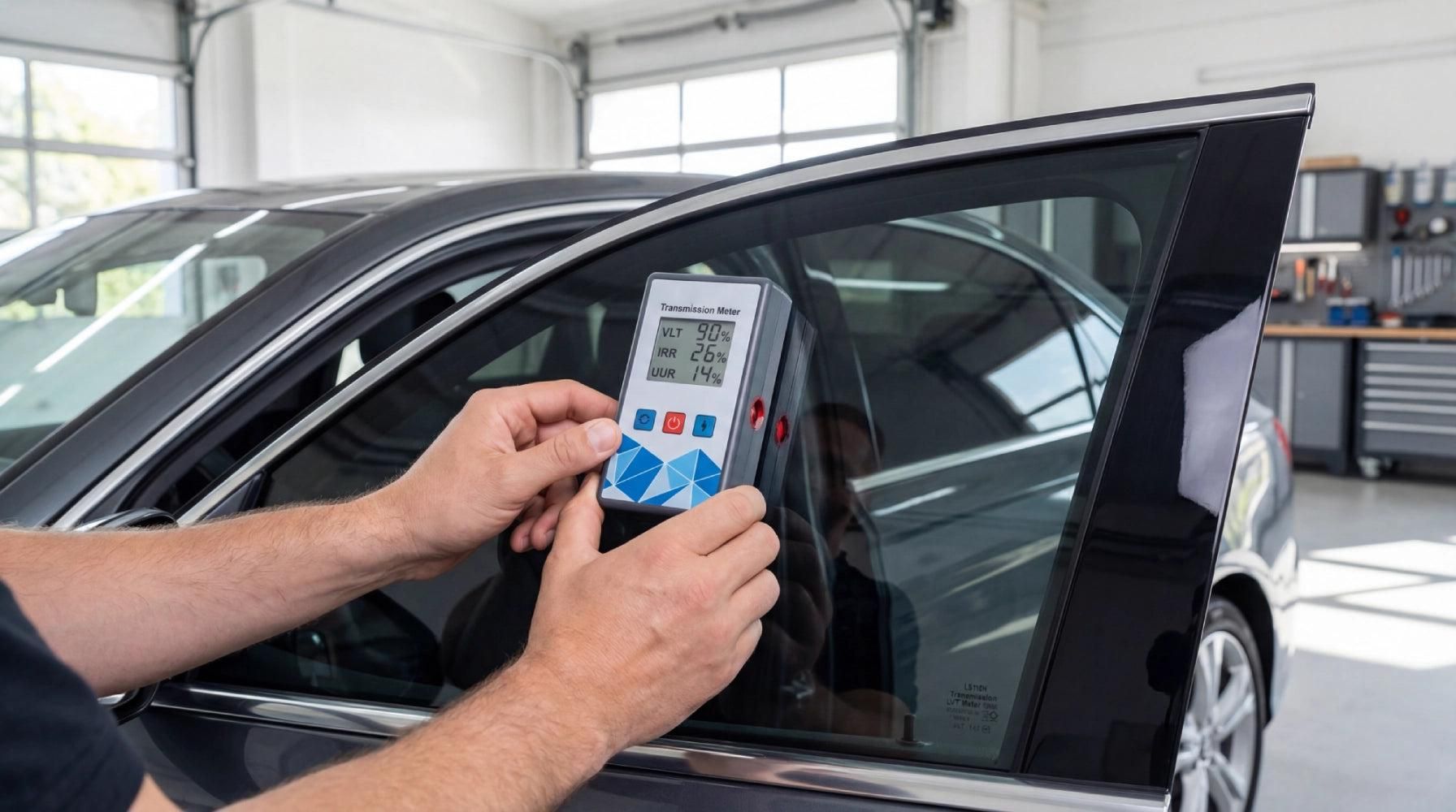
Law enforcement and inspection stations use handheld meters. They clamp the meter over the glass and the device reads the actual VLT on that window. If the number is lower than the Florida limit, that window is considered too dark.
We hear the same myths over and over, so let us clear a few up:
- “Factory tint does not count.” It does. The law looks at the total light that passes through the glass and film together.
- “Anything goes on the back windows.” There are still limits, even if they are different from the front.
- “If a shop will install it, it must be legal.” Not always. You are the one who can get ticketed, not the film.
When you get Florida window tint laws explained in everyday terms, it is easier to see why picking the right shade matters so much.
How to Choose Legal Tint Shades That Still Look Great
Staying legal does not mean you are stuck with barely tinted windows. You can still pick shades that look good and cut heat and glare. The key is to balance what you want with what the law allows.
Think about these points as you choose:
- Pick VLT percentages that are clearly inside Florida limits, not right on the edge
- Try to keep a nice flow between the front and rear windows, so the car looks balanced
- Consider how much night driving you do, since tint that is too dark makes it harder to see
We usually suggest going a little lighter than the darkest shade that is technically allowed. That small step helps in a few ways:
- Meter readings can vary slightly from one device to another
- Every type of glass is a little different, even from the factory
- If you have any existing tint, stacking film can push you over the line
Life in Fort Myers also plays a big role in what works best:
- Daily commuters stuck on I-75 or US-41 want strong glare and heat reduction without police attention
- Families heading to the beach want extra UV protection for kids and pets in the back seat
- Rideshare and delivery drivers are on the road all day and are more likely to be stopped, so safe choices matter even more
When you match shade level, legal limits, and how you actually use your vehicle, you get tint that works better in real life, not just on paper.
Technology Matters More Than Darkness of Tint
A lot of people think darker always means cooler, but that is not true anymore. Film technology has changed a lot. Cheap dyed films might look dark, but they do not always block much heat. Modern ceramic and nano-ceramic films can block a lot of heat and UV rays without needing to be super dark.
Here is how higher quality films stand out:
- They reject more heat at lighter VLT levels, so you stay cooler and legal
- They block a large amount of UV, which helps your skin and your interior
- They keep better clarity, so it is easier to see at night and in the rain
That makes a big difference in our area, especially during late summer when the sun is high for long hours and humidity is high. Quality films help:
- Reduce the strain on your AC, since the cabin starts cooler and stays cooler
- Protect dashboards, seats, and trim from fading and cracking
- Keep electronics, chargers, and other gear from baking in the sun
Premium films, installed correctly, often outperform dark bargain tints. You get comfort, a clean look, and a better chance of passing inspections, all while staying inside the Florida limits.
Preparing for Inspections and Avoiding Costly Do-Overs
A typical Florida tint check is pretty quick. An officer or inspector places a small meter on the window, presses a button, and reads the VLT number. Sometimes this happens at an inspection station. Other times, it is during a traffic stop or a random roadside check.
To avoid failing that simple test, keep a few tips in mind:
- Do not stack aftermarket film over dark factory privacy glass without knowing the final VLT
- If your car came from another state with different rules, have the tint checked instead of assuming it is fine
- Get tint checked before renewing your registration or before a long road trip
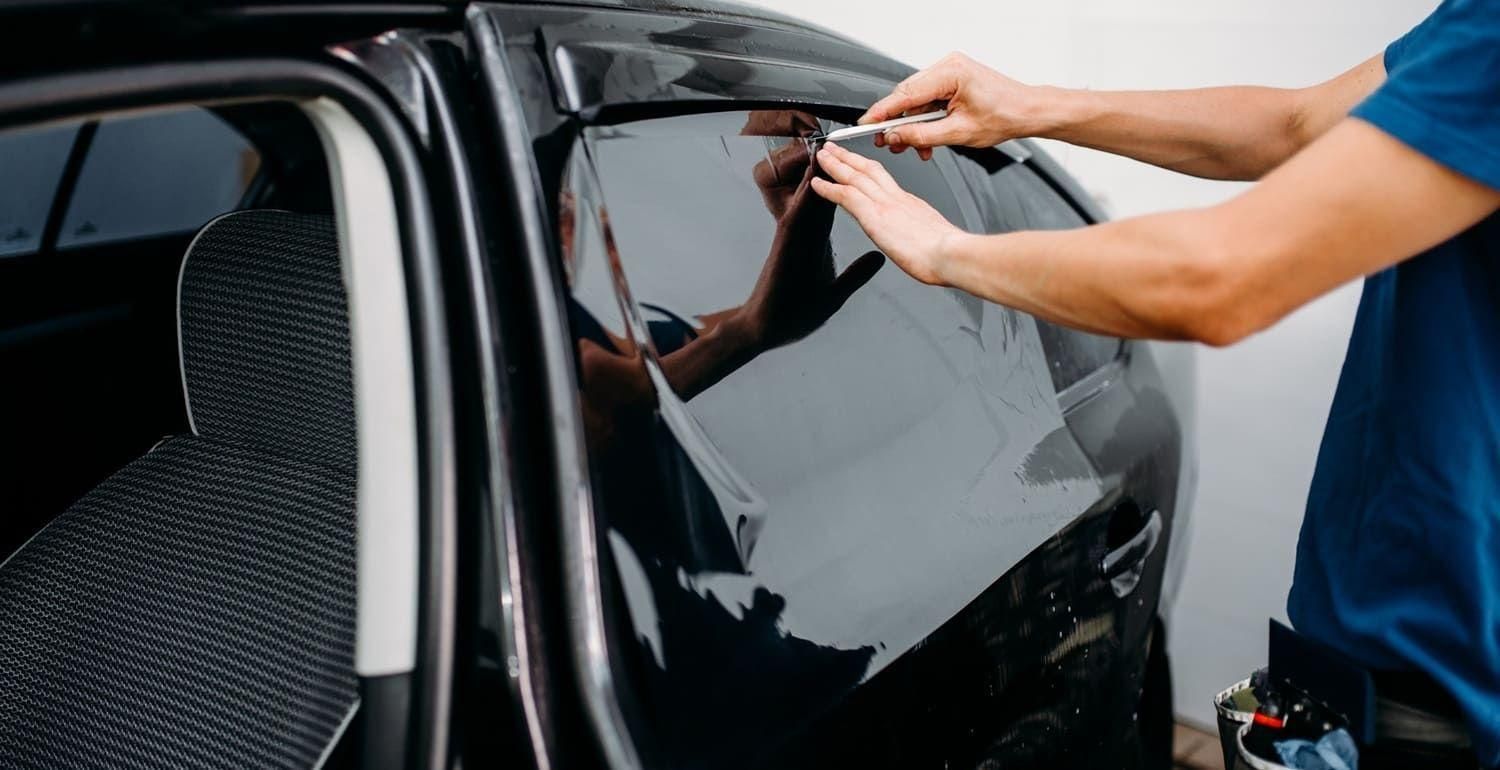
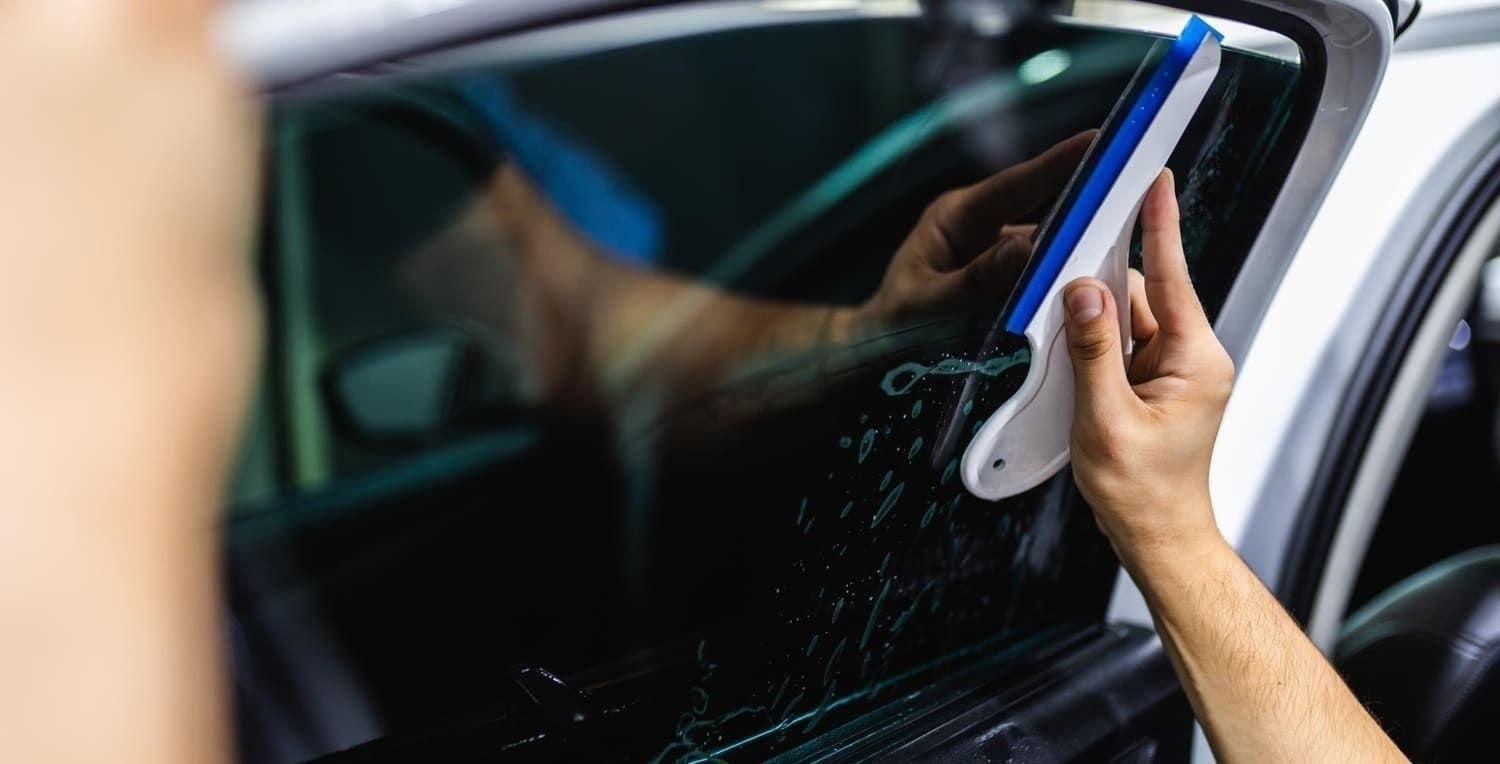
A careful, law-aware tint installer will focus on compliance from the start, not just looks. The right shop should:
- Talk with you about safe, legal percentages before any film is cut
- Use professional meters in the shop to check the glass as they work
- Give guidance if your current tint is too dark and needs to be updated
That way, you are not paying twice, once for tint and again to remove or redo it when it fails inspection.
Scheduling a Legal, Summer-Ready Tint Upgrade
Late summer is a smart time to bring your car in. Roads are busy, heat is intense, and law enforcement pays close attention as seasonal traffic patterns start to shift. Getting your tint right before that rush hits means less stress and more comfort.
At Solartex Window Tinting in Fort Myers, we focus on helping drivers understand Florida window tint laws explained clearly, then matching those rules with film and shades that fit real life. We can help you select legal tint levels for your car, truck, SUV, or work vehicle, and we also offer ceramic coating, detailing, and aluminum polishing if you want a full refresh while you are here.
Stay Legal And Comfortable With Professional Window Tinting
Make sure your home or vehicle tint is both effective and compliant with Florida regulations by trusting
Solartex Window Tinting. If you want
Florida window tint laws explained in plain language, we walk you through what is allowed and recommend films that fit your needs. We handle the details so you can enjoy reduced heat, added privacy, and peace of mind. Reach out today to schedule a consultation and get clear guidance tailored to your property.