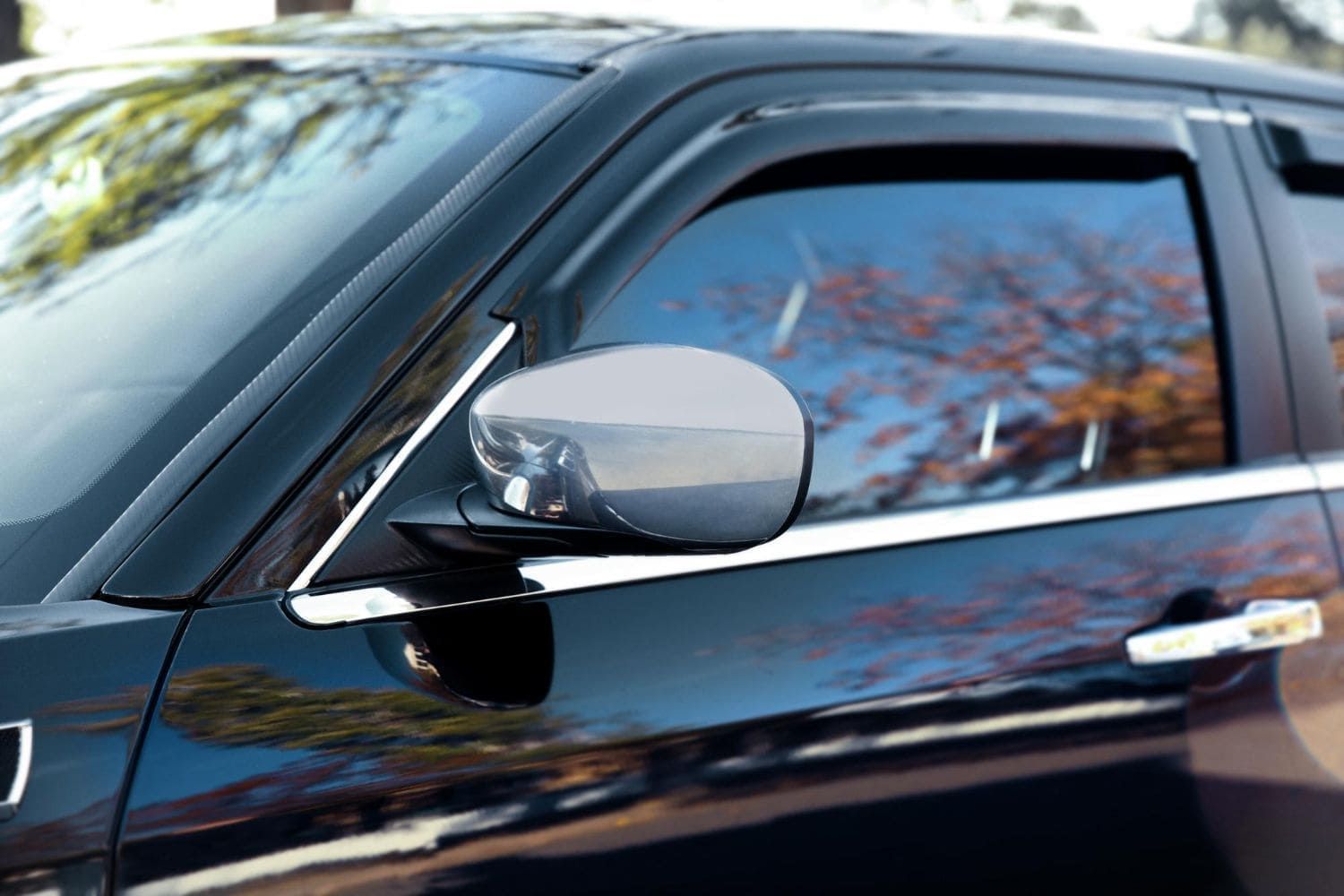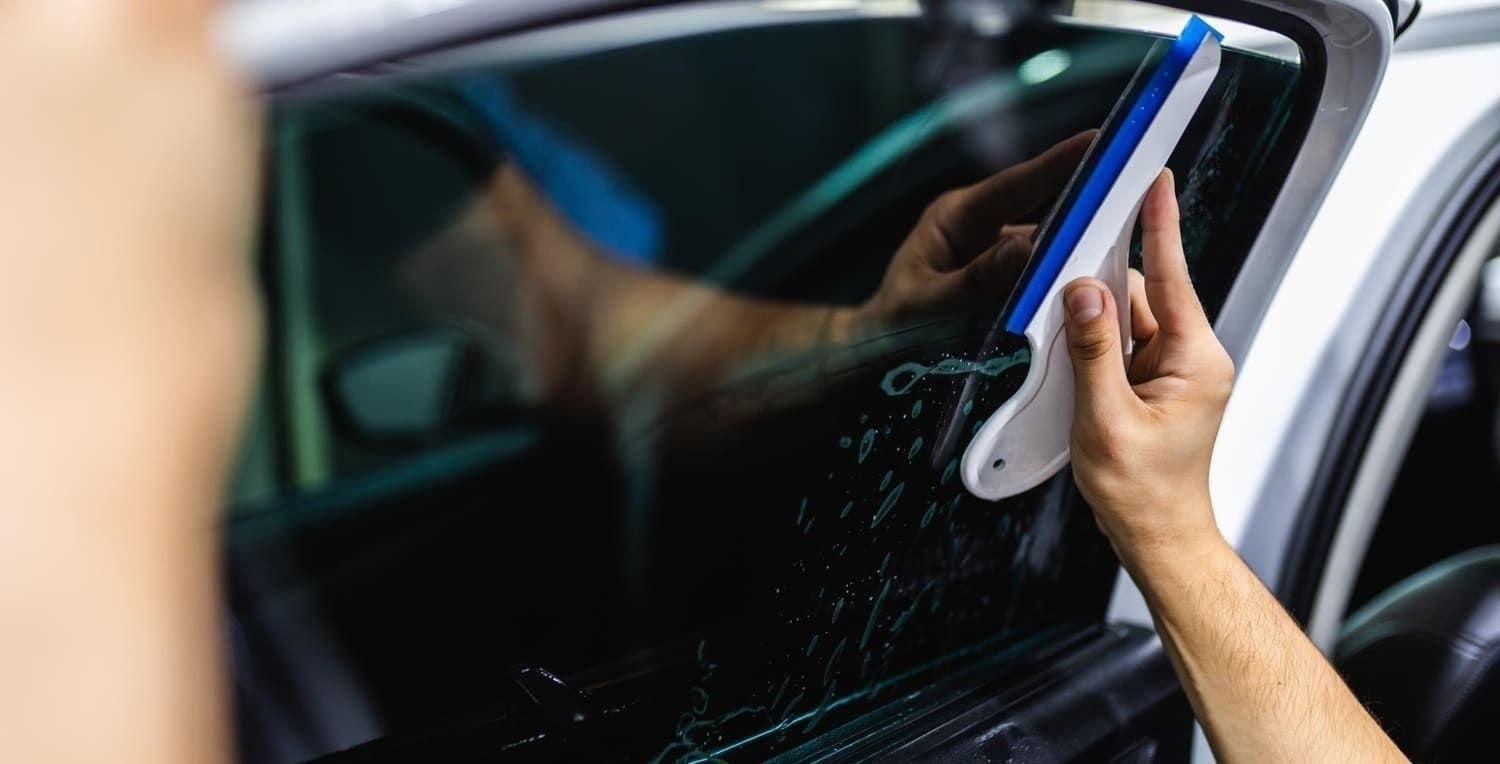
Understanding Florida Window Tint Laws Before You Install

Protect Your Ride and Your Rights Before You Tint
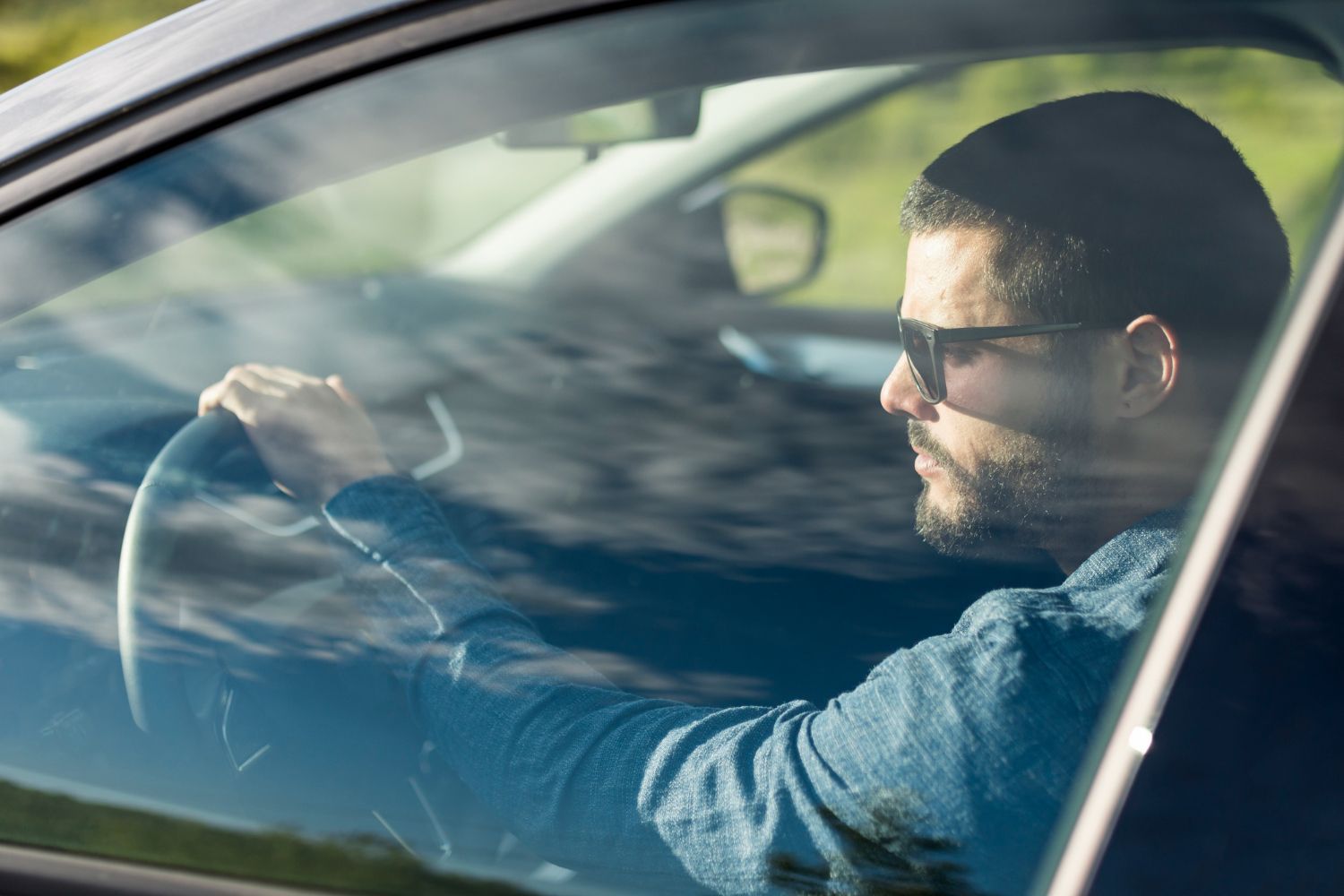
Window tint is almost a must here in Florida. The sun stays strong, the glare is real, and the inside of your car can feel like an oven, even in late winter as days get longer and road trips start to sound good again. Good tint makes your drive more comfortable and also helps protect your skin and your interior from UV rays.
But there is another side to tint that many drivers forget about. If your film is too dark or installed the wrong way, you can end up with tickets, fines, or being told to remove it. That means more time, more money, and more stress than anyone wants.
We want you to enjoy the comfort of tint without the headache. As a local Fort Myers shop that works with auto, home, and business tint, we pay close attention to Florida rules. So let us walk through Florida window tint laws explained in simple language, so you know what is legal before you tint.
Florida Window Tint Laws Explained in Simple Terms
To understand the law, a few basic tint words help a lot.
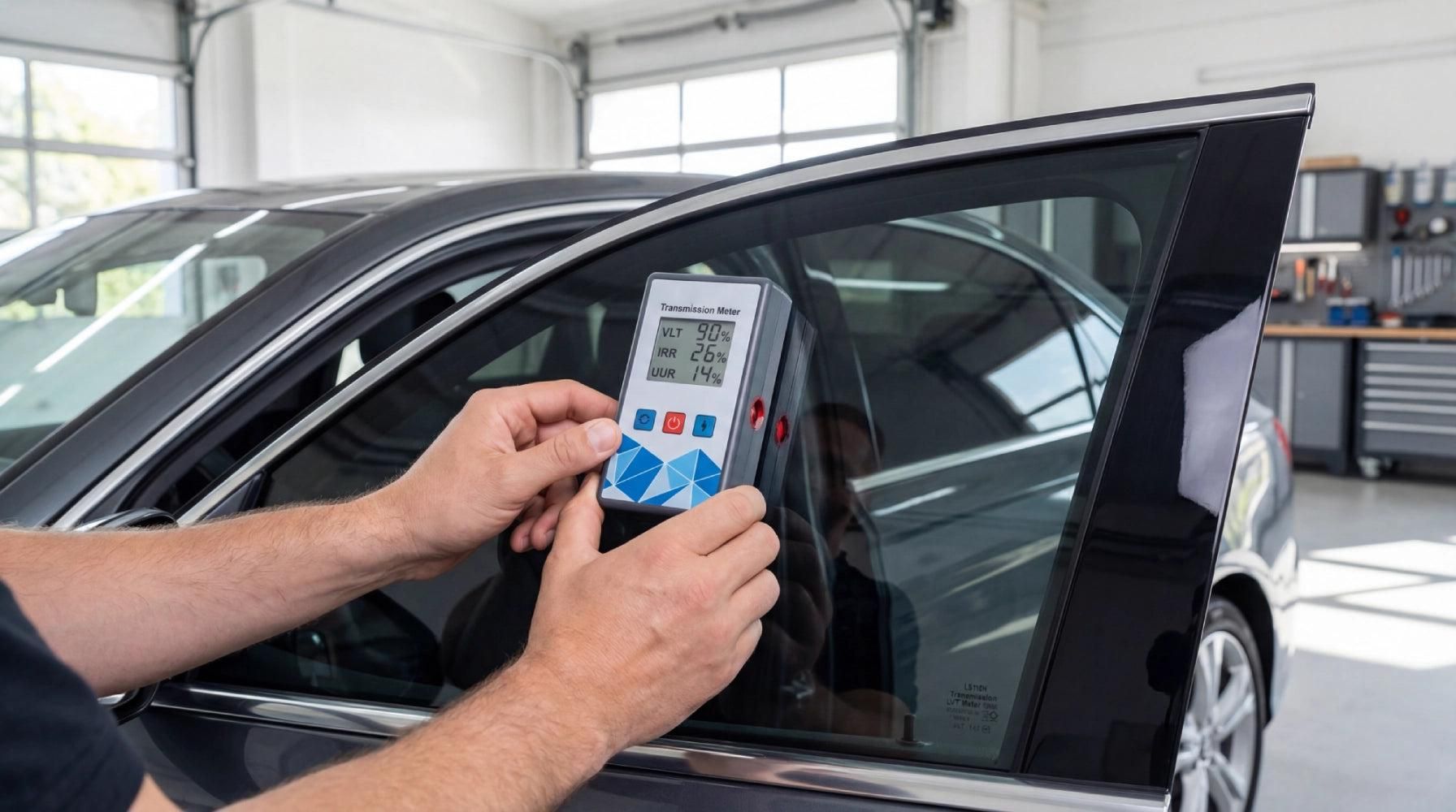
- VLT, or visible light transmission, is how much light can pass through the glass. A higher VLT number means lighter tint. A lower number means darker tint.
- Reflectivity is how shiny or mirror-like the tint is. The law limits how reflective your film can look.
- Different glass areas have different rules, like your windshield, front side windows, back side windows, and rear glass.
For passenger cars, Florida law treats each area a bit differently:
- Windshield: You can usually have a non-reflective strip along the top part of the glass, either above the manufacturer’s AS-1 line or a set number of inches from the top, depending on how the film is labeled and applied.
- Front side windows: These are the driver and front passenger windows. They must let in a certain minimum amount of light so an officer can see inside.
- Rear side windows and rear glass: These can be darker than the front doors, but there is still a legal limit you must stay above.
SUVs and trucks have their own set of limits, especially on the back half of the vehicle. The front doors still have to meet the same level as passenger cars, but the rear doors and rear glass often can be darker than on a sedan. Even so, there is still a line the tint cannot cross.
How is all of this enforced? In Florida, an officer may stop you if your windows look too dark or too shiny. They can use a tint meter on your glass to see the actual VLT number. If the reading shows your tint is darker than allowed, you might get:
- A warning or fix-it ticket that gives you time to correct the tint
- A fine, which can add up if it happens more than once
- An order to remove illegal film and prove you fixed it
Being “almost legal” is not a safe plan. If your tint reads even a bit under the limit, it can still count as a violation. That is why we stay on the safe side when we help pick film.
Common Tint Myths That Can Cost You Money
There are a lot of myths out there about tint, and some of them sound pretty believable. The problem is, they can still get you pulled over.
One big myth is that factory privacy glass on SUVs and trucks “doesn’t count.” The truth is, that privacy glass already has some tint built into the glass itself. When you add film on top of it, the total light that gets through can drop below the legal level, even if the film alone would have been okay.
Another myth is that any tint shop automatically knows and follows the law. Not every installer takes the time to measure your glass, match the right film, or keep up with rules. That can leave you holding the ticket later.
You might also hear that if your car has out-of-state plates, the rules from that state apply. In Florida, officers go by Florida law on vehicles driving here, no matter where the plates are from.
Online tint charts and DIY advice can create even more confusion. They might be old, they might list general info, or they might skip details like different rules for different body styles. It is easy to end up too dark without meaning to.
The hidden costs of going too dark add up quickly:
- Tickets and court time
- Paying to remove the old film
- Paying to tint the windows again, this time correctly
- Possible questions from your insurance if a claim involves visibility or a traffic stop
Knowing the current Florida window tint laws explained by someone who works with tint every day is the best way to avoid all of that.
Choosing Legal Tint That Still Beats the Florida Heat
The good news is, you do not need super dark windows to get real comfort. Modern films, like the LLumar products we install, are designed to block heat and UV even at lighter shades that stay within legal limits.
There are two main types many drivers compare:
- Dyed films: Usually darker and cheaper, they help with glare and privacy but often do less against heat over time.
- Ceramic films: Often lighter in appearance yet high in performance. They are made to cut heat, reduce glare, and block UV while keeping more light inside for safer driving.
With ceramic technology, you can pick a legal shade that still makes a big difference in how your car feels on a sunny afternoon. This is especially helpful as we move toward spring and summer trip season, when you might spend longer stretches on the road.
Some popular legal setups include:
- Front doors at the legal limit, so you have both comfort and clear visibility
- Rear doors and back glass a bit darker, within the rules for your vehicle type, for added privacy and a finished look
- A clean, non-reflective strip across the top of the windshield to cut early morning or late afternoon sun
The right combo depends on whether you drive a sedan, SUV, or truck and how much you care about privacy, night driving, and style. A good installer will talk through those tradeoffs with you and explain how each option fits Florida law.
Special Rules, Medical Exemptions, and Local Nuances
Some drivers need more sun protection because of skin or eye conditions. Florida allows medical exemptions in certain cases, but it is not as simple as just going darker. There is a formal process, and you must have the right paperwork if you are stopped.
That usually means:
- Getting proper documentation from a licensed medical professional
- Making sure your exemption is approved under state rules
- Keeping proof in your vehicle in case an officer has questions
There are also other details many people miss. Florida requires a tint certificate and a small sticker to show that the film on your car has been installed to match state law. This tiny piece of proof can make a big difference at a traffic stop, since it tells the officer your tint was professionally installed and checked.
Here in Southwest Florida, there are a few extra local factors too:
- Extra glare from water, especially near the coast
- Lots of tourist traffic, which often leads to more active traffic enforcement
- Longer hours of bright sun, which make bad tint choices stand out even more
All of these make it even more important to get your tint done right the first time.
Stay Cool, Stay Legal, and Let Solartex Handle the Details
As days get longer and road trip plans start coming together, it is smart to think about tint before the real summer heat and UV index climb. A little planning now keeps you safer, more comfortable, and on the right side of Florida law.
At
Solartex Window Tinting in
Fort Myers, we work with
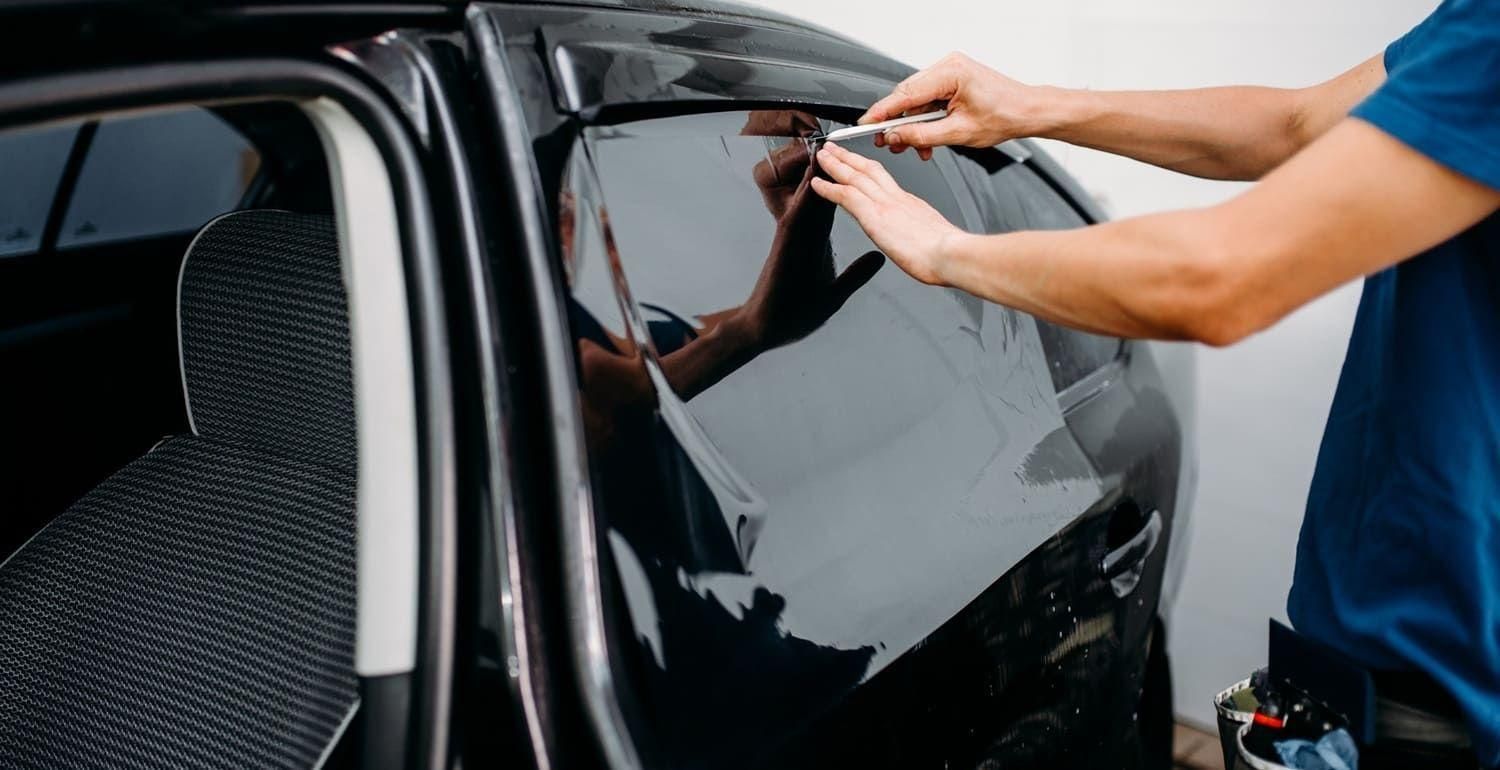
LLumar window film, and we take the time to measure your existing glass and explain which shades match Florida rules for your specific vehicle. Our team focuses on clean, professional installs and the documentation that shows your tint was done correctly. Since we also offer ceramic coating, detailing, and aluminum polishing, we can help protect both your windows and the rest of your ride at the same time.
When Florida window tint laws are explained in plain language and your film is installed by people who care about both performance and compliance, you do not have to choose between comfort and staying legal.
Protect Your Home With Compliant, Energy-Saving Window Tint
If you are unsure what is legal for your windows, our team at
Solartex Window Tinting is ready to walk you through
Florida window tint laws explained in clear, practical terms. We will help you choose film that keeps your home cooler, cuts glare, and adds privacy while staying within Florida regulations.
Schedule a consultation with us today so we can assess your windows, answer your questions, and recommend the best tinting options for your property.