Maintenance Mistakes That Ruin Car Window Tint Fast
Simple Habits That Make Your Window Tint Last Longer
How long does window tint last? Many drivers are surprised to see one car’s tint still dark and smooth after years, while another starts peeling and turning ugly in months. The truth is, tint life is not only about what film you choose; it is also about what you do with your windows every single day.
Good products and a professional install give your tint a strong start. After that, your habits decide how long that clean, crisp look will stay. In Florida’s hot, humid climate, where the sun beats down hard and moisture hangs in the air, small mistakes add up fast.
Simple things like how you roll your windows, what you clean with, and where you park in that bright Fort Myers sun all play a part. We work with drivers across Lee County, and we see the same patterns over and over. The good news is, once you know what to avoid, it is easy to help your tint last longer and look better.
New Tint Mistakes That Shorten Its Lifespan
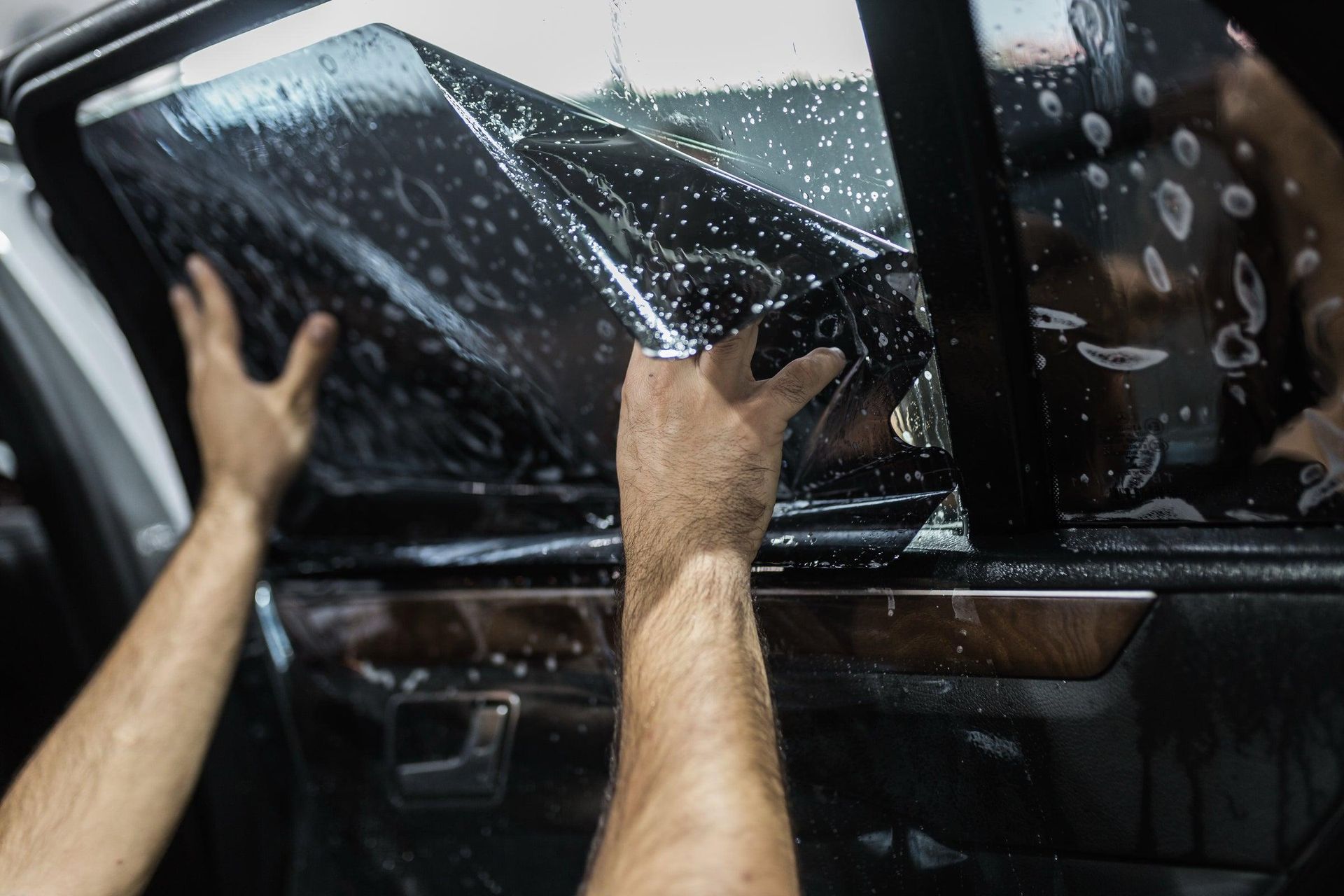
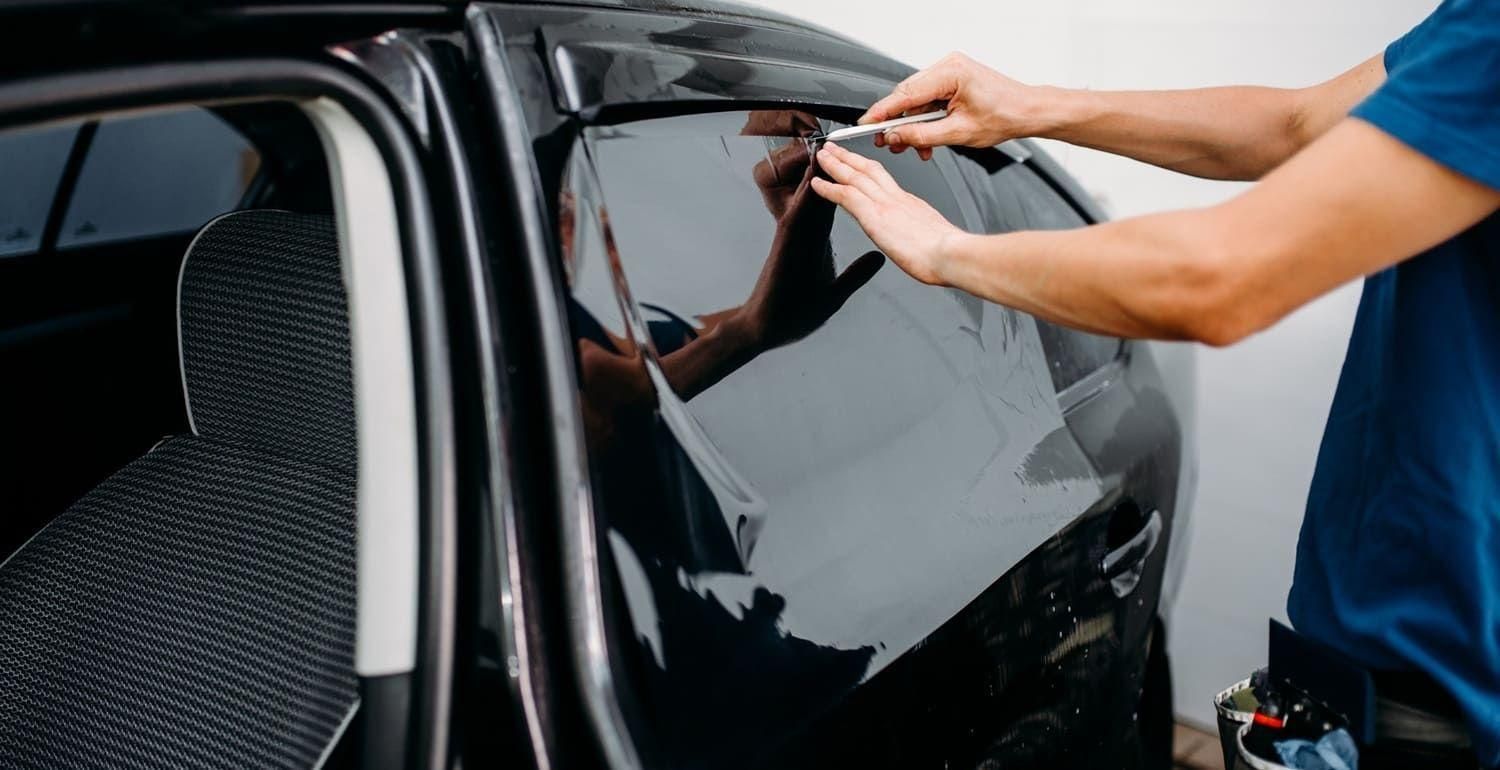
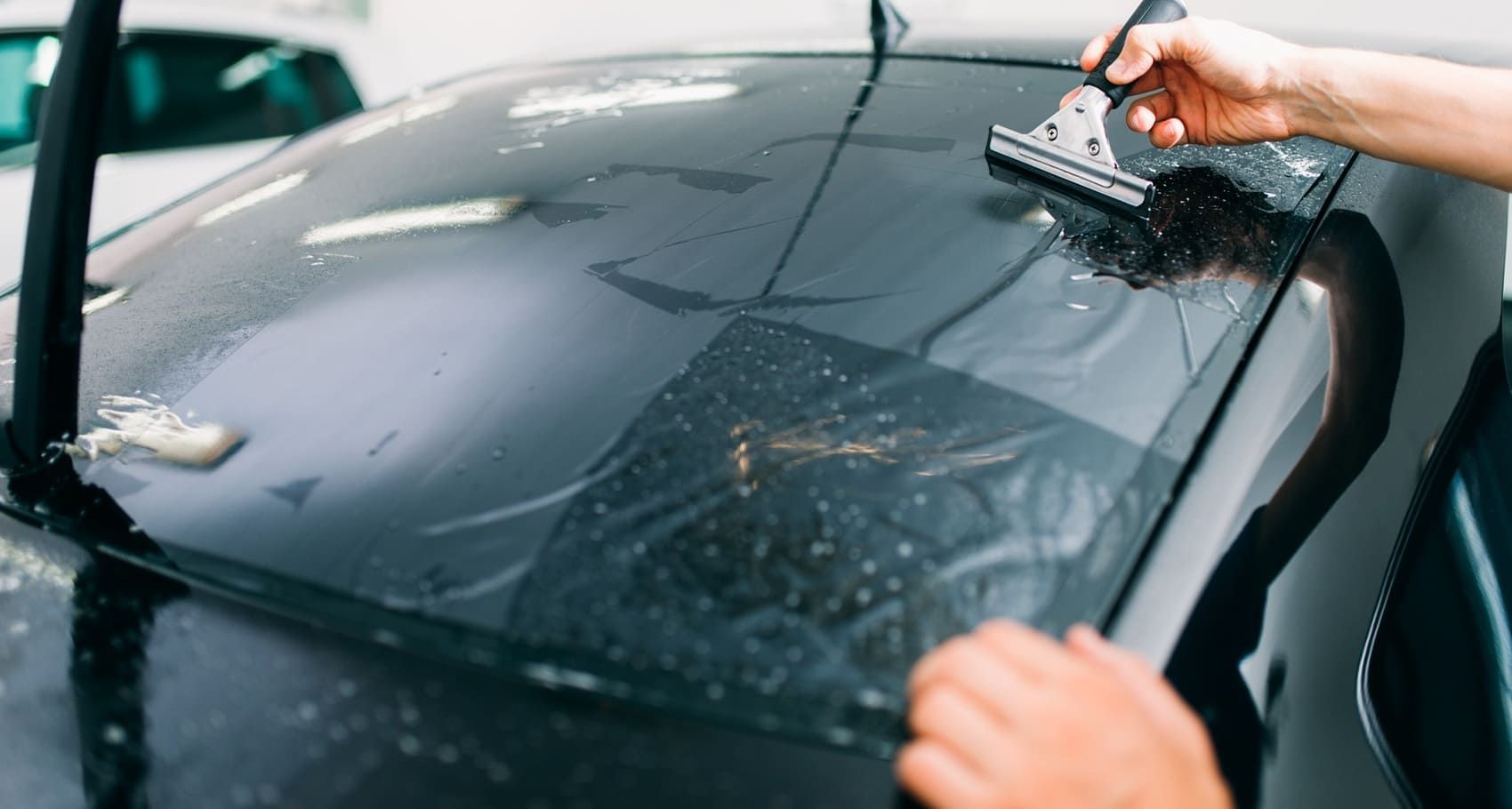
Fresh tint needs time to cure. After installation, there is moisture between the glass and the film. That moisture has to slowly work its way out. With our warm, humid air, this process can take several days or even a few weeks.
During this period, a few common habits cause real damage:
- Rolling the windows down too soon
- Pushing on the film to “smooth” bubbles
- Picking at the edges or corners
- Scratching at tiny water pockets with a fingernail
These do not just leave marks; they can break the bond between the film and the glass. Once that bond is damaged, peeling and big bubbles often follow, and the film may never fully lay right again.
Here is what is normal while tint cures:
- A soft haze over the glass
- Small water bubbles that slowly shrink
- Slight cloudiness that fades over time
What is not normal?
- Large, hard bubbles that keep growing
- Edges that start to lift or curl
- Creases or lines that do not settle out
A quality tint shop will give clear aftercare instructions, like how long to keep windows rolled up and when it is safe to clean. When drivers follow those directions closely, they give their tint the best chance to dry correctly and stay put for years.
Cleaning Habits That Destroy Window Tint Fast
Cleaning seems harmless, but the wrong products can kill tint in no time. The biggest problem we see is harsh glass cleaners with ammonia. Ammonia can weaken the film, dry it out, and cause it to discolor or get cloudy.
Other cleaning mistakes include:
- Using rough paper towels that can scratch the film
- Scrubbing with green pads, brushes, or squeegees
- Spraying cleaner directly into the window edges
Those tiny scratches may not stand out at first, but over time they create a dull, hazy look. They also make it easier for dirt to grab onto the film, so windows never look fully clean.
For tint-safe cleaning, we suggest:
- Soft microfiber cloths or very soft, clean towels
- Ammonia-free glass cleaner labeled as safe for tint
- Gentle strokes from top to bottom, avoiding heavy pressure on edges
Be careful at automatic washes too. High-pressure wands sprayed close to the glass can force water under the film at the edges. Once moisture gets in there, it can lead to peeling, staining, and more bubbles.
Regular, gentle cleaning is the goal. When you remove sweat, dust, fingerprints, and road film without scratching, you help your tint stay clear and smooth much longer.
Everyday Habits That Overheat and Fade Your Tint
Our sun in Southwest Florida is strong. The way you park your car changes how hot the glass and tint get every day, especially in late spring when the days start to feel extra bright.
Habits that wear tint out faster include:
- Always parking in direct sun when shade is available
- Skipping a windshield sunshade on bright days
- Leaving the car fully closed up for long periods
In that trapped heat, the glass gets very hot. Low-quality films often start to turn purple, bubble, or separate into layers much sooner under this kind of stress. Even better films can age faster if they are baked and cooled over and over without any relief.
You can help your tint by:
- Parking in a garage, carport, or under trees when it is safe
- Using a reflective sunshade whenever you park in the sun
- Cracking the windows slightly when it is secure to do so, to let heat escape
- Choosing ceramic window tint that is designed to reject more heat and UV
These habits do not just help your tint. They can also keep your interior cooler, protect your dashboard and seats, and make it more comfortable when you get back in the car after a long stop.
Physical Damage That Makes Tint Fail Before Its Time
Tint is tough but not indestructible. A lot of damage comes from everyday contact that seems harmless in the moment.
Common causes of scratches and tears include:
- Kids kicking or pushing their shoes against the glass
- Pets jumping up and digging claws into the window
- Boxes, bags, or tools leaning against the glass
- Using the window as a resting spot for elbows or hard objects
Even small scratches can grow over time, especially when sunlight hits them day after day. Deep cuts can open a path for dirt and moisture under the film.
Aftermarket accessories can also be risky. Suction-cup phone mounts, window decals, and toll tags pressed right onto tinted glass can pull up film when you remove or move them. The same goes for tape that gets left on a window too long.
Living near the coast, we also deal with sand and salt spray. If sand sticks to the glass and you press something across it, that grit becomes sandpaper against the tint.
Simple protections make a big difference:
- Teach kids to keep feet off the windows
- Use pet barriers or covers when animals ride in the back
- Place suction cups and stickers on untinted spots whenever possible
- Wipe off sand or grit before anyone leans on the glass
These small habits help keep the surface smooth and sealed, which means a longer life for the film.
When to Call a Pro and Keep Your Tint Looking New
Even with great care, tint does not last forever. The key is knowing when it is time to let a professional take a look so problems do not get worse.
Signs you should have your tint inspected include:
- Bubbles that grow or spread across the window
- Purple, brown, or hazy film that makes glass look old
- Edges peeling or corners lifting away from the glass
- Distortion, ripples, or streaks that make it harder to see clearly
At that point, a local expert can check if a small section can be fixed, if a partial removal makes sense, or if a full upgrade would serve you better. Modern films, especially heat-rejecting options like ceramic tint, can handle our sun and humidity much better than older materials.
Here at
Solartex Window Tinting in
Fort Myers, we work with the same intense sun, salt air, and heavy summer rains our customers do. We see what lasts and what fails in real Lee County driving every day. How long window tint lasts is not only about the film on the glass; it is about avoiding these common mistakes and treating your windows with care from day one.
Enhance Comfort And Protect Your Home With Lasting Window Tint
If you are wondering
how long does window tint last, we can walk you through what to expect from quality materials and professional installation. At
Solartex Window Tinting, we focus on solutions that improve comfort, help protect interiors, and stand up to daily wear. Let us evaluate your home’s windows and recommend the right film so you get long-term performance and value.
Reach out today to
schedule a consultation and get your project started.