How Long Does Window Tint Last? Lifespan by Type
Southwest Florida is tough on window tint. Between relentless UV exposure, high cabin temperatures, humidity, and salty coastal air, even quality films work harder here than they would in milder climates. If you drive around
Fort Myers, Cape Coral, Estero, Bonita Springs, or Sanibel, you have probably noticed older tint that looks purple, hazy, or bubbled. That is not just “age.” It is often the result of
film type, glass heat load, installation quality, and how the vehicle is maintained. The good news is that not all tint films are the same way, and the right film and installer can make a major difference in long term clarity and performance. In this guide, we break down
how long does
window tint last, what affects
window tint lifespan Florida drivers can expect, and
how to choose a film engineered to handle heat and sun year after year.
Table of Contents
- Lifespan by tint type: dyed, carbon, metallic, ceramic
- How UV and infrared heat affect tint performance
- Window tint replacement signs to watch for
- Entry level tint vs premium ceramic in Florida
- Why professional installation impacts durability
- Maintenance tips to extend window tint life
- Warranty coverage: what it typically includes
- FAQ: window tint lifespan and care in Fort Myers
1) Lifespan by tint type: dyed, carbon, metallic, ceramic
The most accurate way to estimate how long window tint lasts is to start with the film category. Films can look similar on day one, but they can behave very differently after a few Fort Myers summers. The film construction, dye stability, metal layers, and ceramic nano particles all influence how well the tint holds its color, adhesion, and optical clarity over time.
Here is a practical overview of typical lifespan ranges for automotive tint in Southwest Florida. Your result can be shorter if the film is entry grade, the install was rushed, or the vehicle lives outside full time. It can also be longer with
premium film, correct curing, and good maintenance habits.
| Tint type | Typical lifespan (Florida drivers) | Common aging pattern | Best fit |
|---|---|---|---|
| Dyed | 3 to 5 years | Fading, purple shift, heat stress | Budget shade, short term plans |
| Metallic | 5 to 7 years | Adhesive wear, possible corrosion, signal issues | Heat reduction with tradeoffs |
| Carbon | 6 to 10 years | Slower fading, stable appearance | Balanced value and performance |
| Ceramic | 10+ years | Excellent color stability and clarity | Best comfort and longevity |
Dyed tint is often the entry level choice. It can look good initially, but dyes can break down faster in intense sun, especially when the car is parked outside. Many Florida drivers first notice fading or a purplish hue. Once appearance changes, heat performance typically declines too, and replacement becomes a matter of time.
Metallic tint uses metal layers to reflect heat, which can
improve comfort. However, metal can be more sensitive to environmental exposure and can also interfere with electronics in some vehicles. In coastal areas, moisture and salt in the air can be another stressor over years. If you rely on
clear GPS, phone, or radio performance, metallic films may not be the most convenient long term option.
Carbon tint is a strong mid to premium category. It is built for better color stability than dyed films and can provide solid heat rejection without metal. Carbon films are often a smart choice when you want an upgraded feel and improved longevity but are not necessarily aiming for the highest tier.
Ceramic tint is widely viewed as the best option for Florida drivers who want maximum comfort and durability. Ceramic nano technology is designed to deliver strong infrared heat rejection with excellent optical clarity. If you are comparing
ceramic tint durability to dyed or basic films, ceramic typically stays clearer longer and is less likely to show the common “tint looks old” symptoms when installed properly.
Solartex Window Tinting installs LLumar Auto Window Tint products that are engineered for long lasting clarity, superior heat rejection, and UV protection. For Fort Myers drivers who want a film designed for Florida conditions, choosing a reputable product line matters as much as the shade level.
2) How UV and infrared heat affect tint performance
Florida sun is not just bright. It is a constant combination of UV exposure and infrared heat that elevates cabin temperature, stresses adhesives, and accelerates aging for lower quality films. Understanding the difference between UV and infrared helps you choose the right product, especially if your goal is comfort and longevity rather than only darkening the glass.
UV rays are a major driver of fading and material breakdown. UV exposure contributes to interior damage such as cracked dashboards, brittle leather, and fading fabrics. For tint, UV can degrade dyes and weaken components over time. A quality film with strong UV protection helps preserve both the interior and the film itself.
Infrared energy is strongly tied to heat you feel. When infrared rejection is higher, the vehicle stays cooler, the air conditioner works less, and the glass and film experience less ongoing heat stress. In Fort Myers traffic or during long commutes, this can be a big comfort and durability factor.
| Performance factor | Why it matters in Florida | What to look for |
|---|---|---|
| UV protection | Reduces fading, material breakdown, interior damage | High UV rejection ratings from reputable films |
| Infrared rejection | Improves comfort, reduces heat load on film and glass | Premium films, often ceramic for best results |
| Optical clarity | Maintains visibility in rain, night driving, glare | Quality film construction and expert install |
It is common for drivers to focus only on visible light transmission, meaning how dark the film looks. In reality, a lighter premium film can often outperform a darker budget film in heat rejection. If your priority is comfort in Southwest Florida, it is worth comparing product lines and performance specs instead of choosing solely by darkness.
If you are looking specifically for LLumar auto window tint Fort Myers options, ask about film tiers that emphasize infrared heat rejection along with UV protection. The right combination can improve daily comfort and support a longer window tint lifespan Florida conditions demand.
3) Window tint replacement signs to watch for
Most tint does not “fail” overnight. It usually gives warning signs. If you know what to look for, you can address problems before visibility becomes an issue or before adhesive damage becomes harder to remove. These are the most common window tint replacement signs we see in the Fort Myers area.
Bubbling or blistering often appears as small raised pockets that grow over time. Bubbling can be caused by adhesive failure, moisture intrusion, contamination under the film, or harsh cleaning methods. Once bubbling is present, the film rarely recovers, and replacement is typically the right move.
Peeling edges
Fading or purple discoloration is a classic sign of dyed film breakdown. The tint may still darken the window, but the look is uneven, and the film can appear cheap or aged. In addition to appearance, fading can indicate performance decline.
Haze, cloudiness, or distortion reduces visibility and can be especially noticeable at night or in heavy rain. Distortion is also common when the film is scratched, when the adhesive ages unevenly, or when the film was stretched incorrectly during install.
Scratches and abrasions may come from improper cleaning tools, pet claws, or sharp objects. Even premium film can scratch if treated roughly. If scratches are widespread, replacement may be the only way to restore clarity.
If you are unsure whether your tint needs replacement, a professional evaluation helps you avoid guessing.
Solartex Window Tinting can assess film condition and recommend a replacement plan that fits your vehicle, goals, and Florida driving conditions.
4) Entry level tint vs premium ceramic in Florida
In Southwest Florida, the difference between entry level tint and premium ceramic often shows up in comfort first and appearance later . If you have ever stepped into a car that has been sitting in the sun near Fort Myers Beach, you know how extreme cabin heat can get. A film that rejects infrared effectively can meaningfully change that experience.
Entry level films can be appealing due to price. For some drivers, that is a valid choice, especially for older vehicles or short term ownership. But the tradeoff can be more frequent replacement and less consistent performance. When drivers ask, “ how long does window tint last if I choose a budget option?” the honest answer is that it often lasts long enough to justify the cost, but not long enough to avoid replacement sooner than expected in Florida conditions.
Premium ceramic films are typically chosen for long term ownership, daily commuters, and drivers who want the best heat control without stepping up to very dark visible tint. Ceramic films can deliver strong heat rejection while maintaining excellent clarity. That clarity matters in afternoon rain, night driving, and when looking through multiple layers of glass.
| Comparison | Entry level tint | Premium ceramic tint |
|---|---|---|
| Typical longevity | Shorter in Florida sun | Longer term durability |
| Heat rejection feel | Basic improvement | Significant comfort upgrade |
| Appearance over time | More prone to fade or color shift | Stable color and clarity |
| Value for daily drivers | Good for lower mileage or short term use | Best for high sun exposure and long commutes |
If your priorities are maximum comfort and a longer service life, ceramic is often the best match. This is where ceramic tint durability really matters in Florida. When installed correctly, premium ceramic can keep working well long after entry level films start to show their age.
Solartex Window Tinting installs LLumar Auto Window Tinting products that are designed for Florida heat, strong sun, and long term clarity. If you want to compare film options for your vehicle and budget, a local consultation can help you match the right tier to how and where you drive.
5) Why professional installation impacts durability
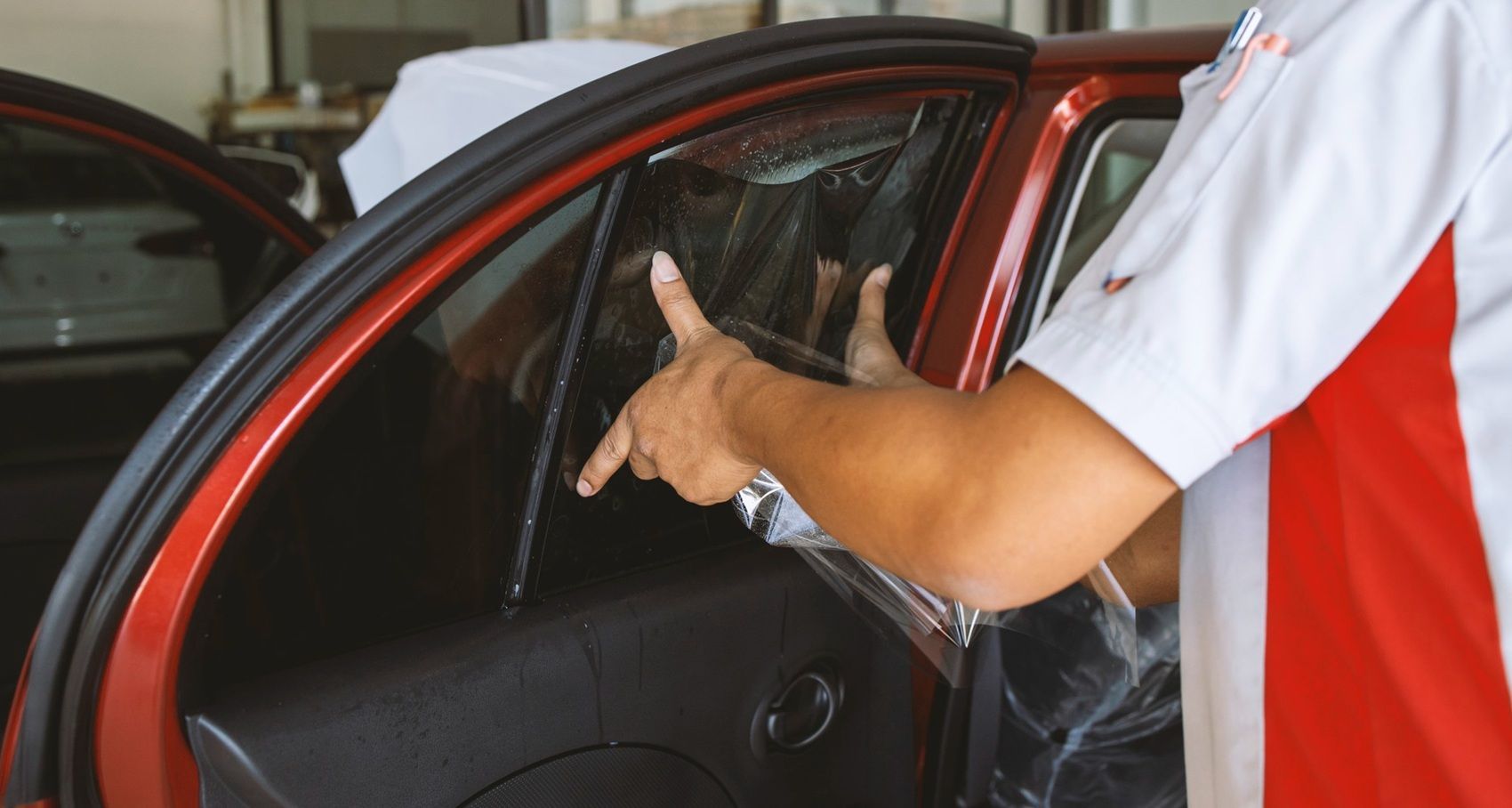
Film quality is critical, but installation quality is the multiplier. Many early failures that look like “bad tint” are actually the result of contamination, improper squeegee technique, rushed edge finishing, or poor curing conditions. In a humid area like Fort Myers, technique and environment matter.
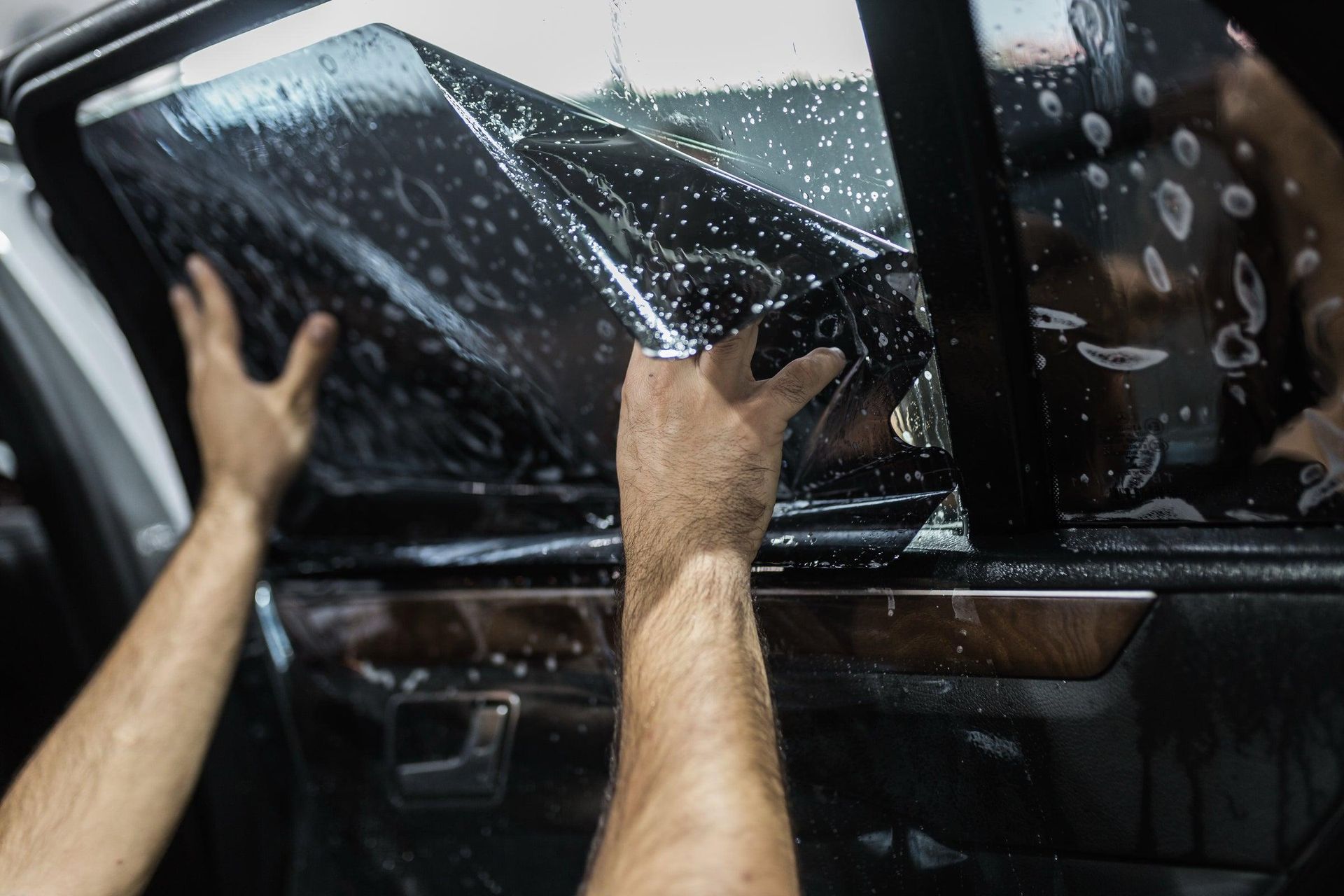
Professional installation reduces the risk of trapped debris, creases, and edge lift. It also ensures proper film placement around seals and curves. Modern vehicles often have complex glass shapes, and some rear windows include defroster lines that require careful handling. A skilled installer knows how to manage heat shrinking and film forming without over stretching or weakening the film.
Curing matters too. After installation, the film and adhesive need time to settle and fully bond. Florida humidity can affect this process, and it is normal to see slight haze or moisture patterns early on. A professional shop will set expectations and provide care instructions so the film cures correctly.
When drivers search for LLumar auto window tint Fort Myers , they are often looking for both product quality and a reliable install. A premium film installed poorly can still fail early. A quality film installed correctly is more likely to reach the long lifespan it was designed for.
6) Maintenance tips to extend window tint life
Once your tint is installed and cured, how you care for it can extend its life. Florida drivers deal with sand, sunscreen smudges, salty moisture, and frequent rain. Maintenance is mostly simple, but small habits make a difference.
- Wait before cleaning: Follow your installer’s cure time guidance before wiping the inside glass.
- Use gentle tools: Soft microfiber towels reduce the chance of micro scratches and haze.
- Choose safe cleaners: Use ammonia free cleaners. Ammonia can damage some films and cause premature aging.
- Avoid sharp scraping: Stickers, suction cups, and pet claws can scratch film. Be cautious with objects near the glass.
- Manage heat when possible: Parking in shade or using a windshield sunshade lowers cabin heat, which helps everything inside the car, including tint.
If you have kids, pets, or you frequently transport gear, consider the areas most likely to get bumped or rubbed. Even the best film benefits from gentle care. If you ever notice new haze, streaking, or edge issues, it is better to check early rather than wait until the problem spreads.
7) Warranty coverage: what it typically includes
Warranty is one of the biggest differences between low cost tint and a professional film installation. Warranties vary by brand, film line, and installer policy, but there are common patterns that help you evaluate what you are buying.
Many premium films offer strong coverage against defects such as bubbling, peeling, cracking, delamination, or discoloration under normal use. The key detail is that the warranty is tied to both the product and proper installation. Keeping documentation, understanding transfer rules, and following care guidelines can help you stay protected.
| Warranty topic | Often covered | Common exclusions |
|---|---|---|
| Adhesive failure | Bubbling, peeling, delamination | Damage from accidents or misuse |
| Color change | Discoloration or purple shift (varies) | Fading due to harsh chemicals |
| Scratches | Sometimes limited coverage | Pet damage, tools, abrasive cleaning |
| Electronics issues | Usually not relevant to non metallic films | Signal interference for metallic films |
If you want the most predictable long term results, pair a reputable film line with an experienced local shop. Solartex Window Tinting focuses on LLumar Auto Window Tinting products designed for high performance and durability in Florida heat and sun exposure.
FAQ: window tint lifespan and care in Fort Myers
How long does ceramic window tint last?
With premium film and professional installation, ceramic tint can last 10 years or longer in Florida, often with better clarity retention than entry level films.
How long does dyed tint last compared to ceramic?
Dyed tint commonly lasts about 3 to 5 years in harsh sun, while ceramic is designed for longer term durability and stable performance.
Does window tint fade in Florida sun?
It can. Lower grade dyed films are more likely to fade or shift color. Premium films are built to resist discoloration and maintain a clean look longer.
What are the most common window tint replacement signs?
Bubbling, peeling edges, purple discoloration, haze, and distortion are common signs your tint needs to be replaced.
When should I replace old window tint?
Replace when visibility is affected, when bubbling or peeling spreads, or when discoloration and haze make the car look aged. An inspection can confirm if replacement is needed.
How do I clean tinted windows safely?
Use an ammonia free cleaner and a clean microfiber towel. Avoid abrasive pads and sharp scraping tools.
Can I roll down windows right after tinting?
Follow your installer’s guidance. Many installs require a short waiting period so edges do not lift during early curing.
Does ceramic tint have better heat rejection?
Ceramic films are known for strong infrared heat rejection, which can make a noticeable difference in cabin comfort during Fort Myers summers.
Do warranties cover bubbling or peeling?
Many premium film warranties cover bubbling and peeling caused by film or adhesive defects. Coverage depends on film line and proper installation.
Is LLumar auto window tint a good choice for Florida?
LLumar Auto Window Tinting products are engineered for long lasting clarity, UV protection, and heat rejection, which aligns well with Florida sun and heat demands.
Conclusion: maximize tint life in Southwest Florida
If you are trying to decide how long does window tint last in Fort Myers, the most important factors are film type, sun and heat exposure, installation quality, and maintenance. Dyed films may meet short term needs, but premium carbon and ceramic options are built to hold up longer with better clarity and comfort. Paying attention to early window tint replacement signs like bubbling, fading, or haze helps you protect visibility and keep your vehicle looking sharp.
For drivers who want a long term solution built for Florida heat,
Solartex Window Tinting installs
LLumar Auto Window Tinting products designed for superior heat rejection and UV protection. If you are in
Fort Myers, FL or nearby areas and want help choosing the best film for your vehicle and driving habits,
contact Solartex Window Tinting to get a
free estimate for durable, high performance LLumar Auto Window Tint solutions engineered for Southwest Florida.