Glare Reduction Secrets Window Tint Installers Want You to Know
Beat Spring Glare Before Summer Hits
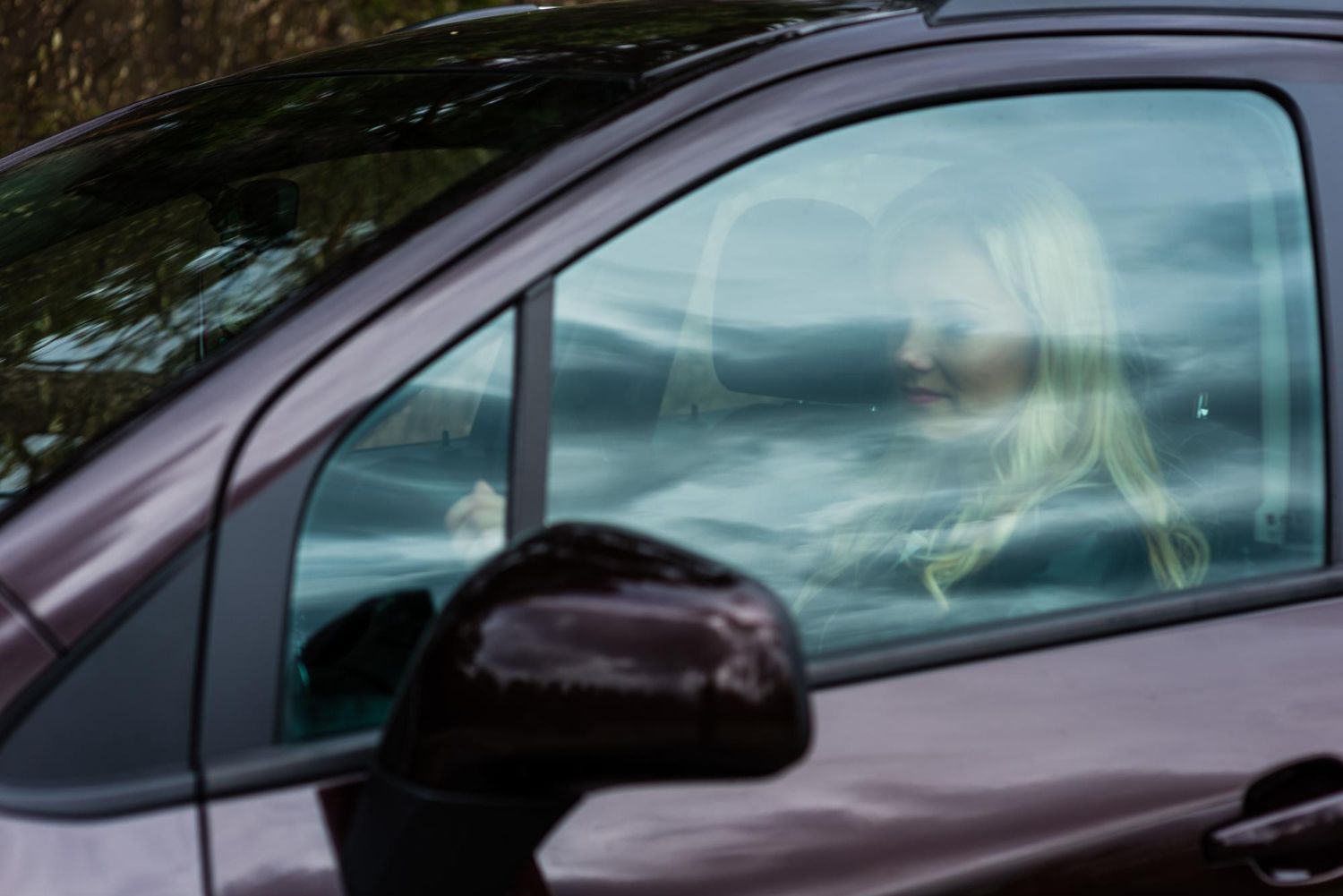
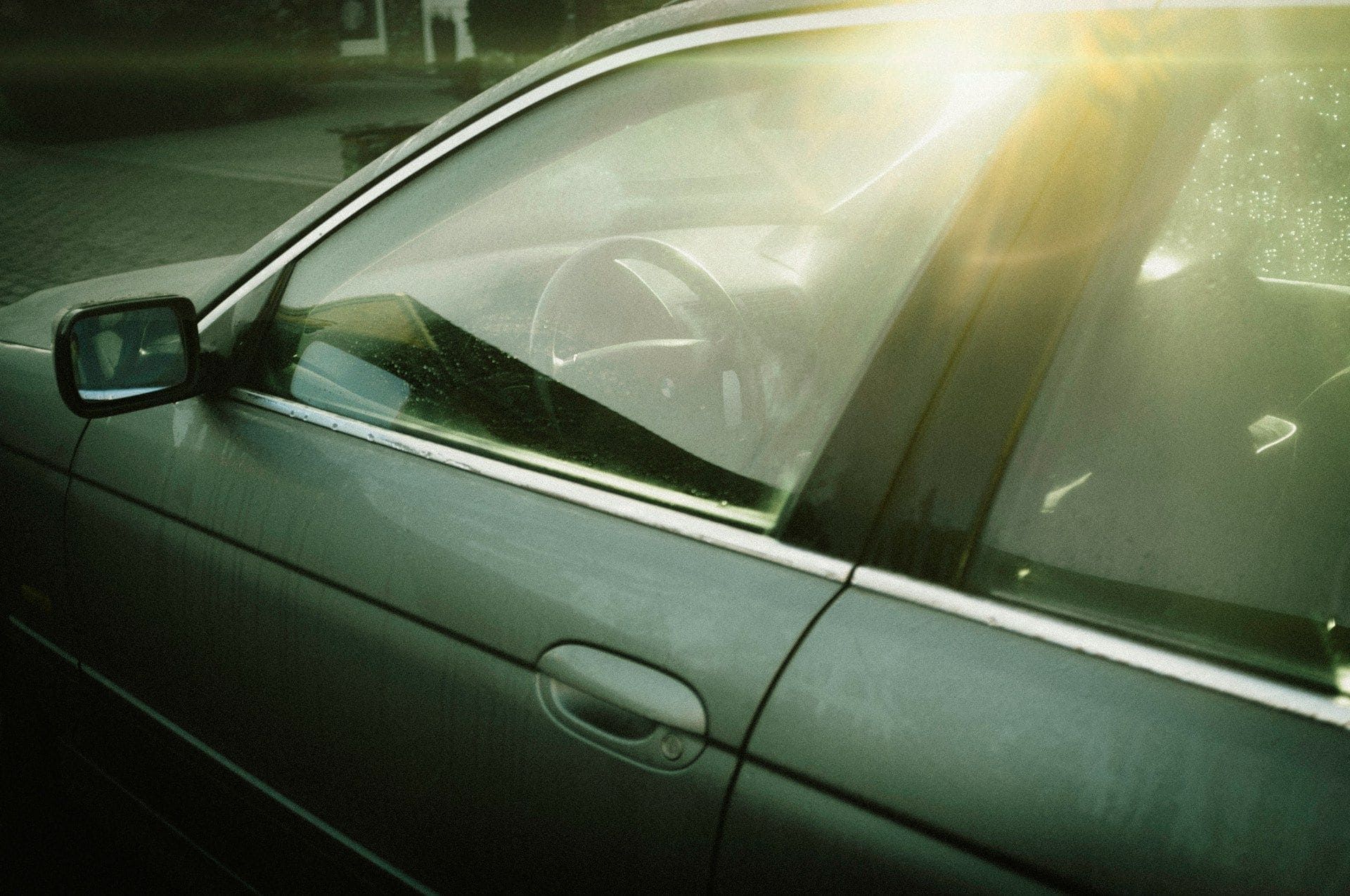
Glare creeps up slowly, then one day you realize you are squinting through every drive, every workday, every errand run. As spring moves along and the sun climbs higher in the sky, that bright Florida light reflects off roads, water, glass, and chrome. It turns happy sunshine into harsh glare that hurts your eyes and cuts into your focus.
Here in
Fort Myers and across Lee County, we live with bright sun most of the year. When spring days start stretching longer, glare can build up inside cars, homes, and storefronts. It affects your comfort, your eye strain, how clearly you see the road, and even how hard your AC has to work. Spring is the perfect time to get ahead of it, before peak summer sun and traffic.
As professional tint installers, we see glare as something you can control, not just put up with. With the right
window tinting and related services like ceramic coatings on vehicles, you can soften that harsh light, keep your view clear, and still enjoy natural daylight and curb appeal.
How Glare Really Affects Your Eyes and Safety
Glare is more than “bright light.” It happens when sunlight bounces right into your eyes from shiny or light surfaces. That includes:
- Wet or hot pavement
- Water, canals, and pools
- Vehicle hoods and dashboards
- Neighboring windows and light-colored buildings
Your eyes are always working to adjust to changing light. With strong glare, they have to work even harder. You may notice:
- Constant squinting
- Headaches by the end of the day
- Tired, dry, or burning eyes
- Feeling wiped out after a short drive
Those small signs add up. When you squint, your field of vision can shrink. When your eyes are tired, your brain reacts more slowly. On the road, that can make it harder to see:
- Brake lights and turn signals ahead
- Pedestrians stepping off the curb
- Cyclists in bike lanes
- Debris or sudden stops in traffic
Morning and late afternoon are often the worst, when the sun lines up with your windshield or side windows. The light can hit just right and wash out everything in front of you. From our installer point of view, cutting that glare is not just about comfort. It is a safety upgrade for you, your family, and everyone sharing the road.
What Professional Window Tinting Does That Sunglasses Cannot
Sunglasses help, but they only protect the person wearing them. They do not fix the light pouring through your glass. Professional window tinting works at the source, where glare enters the vehicle or building.
Here is the key difference:
- Sunglasses darken what you see
- Window tinting controls what comes through the glass
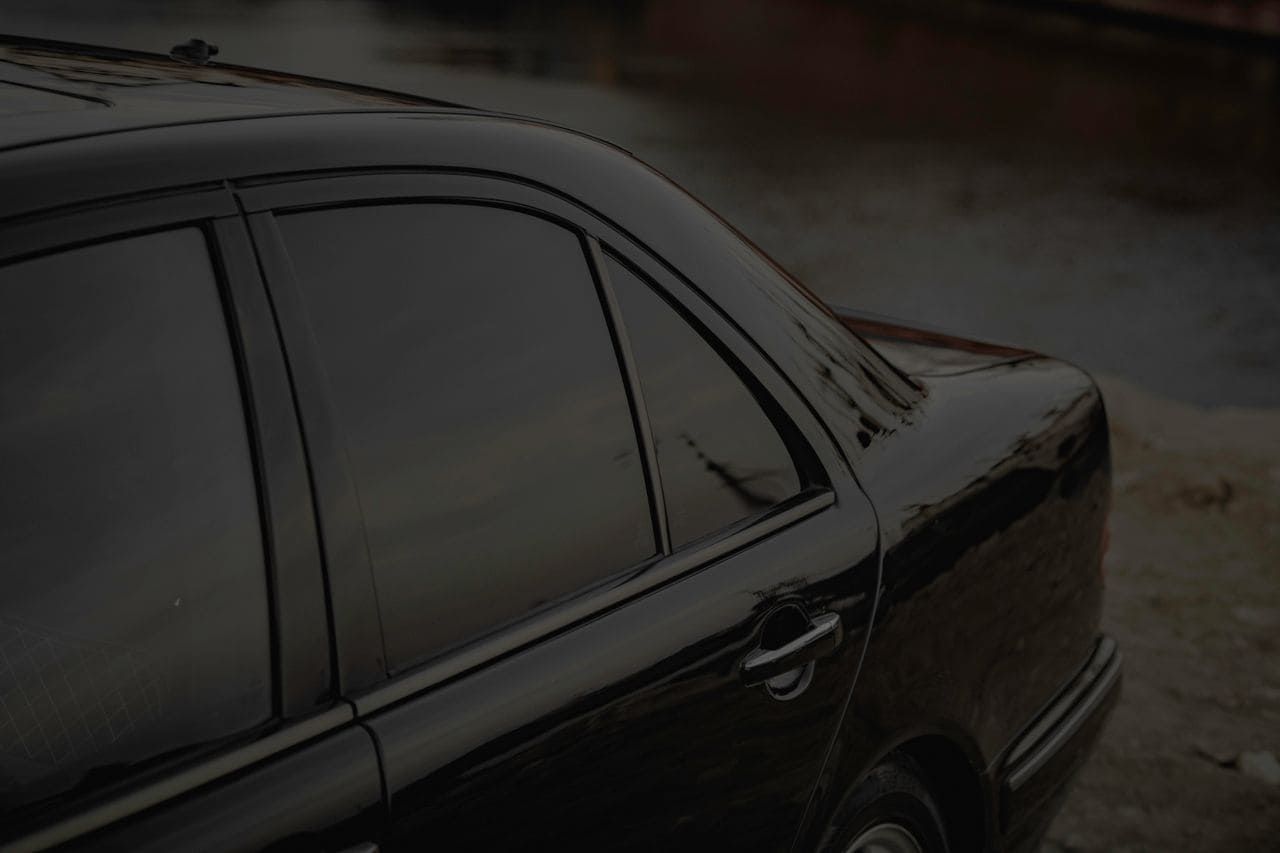
Quality films, like the LLumar films we work with, are made to target certain parts of the light spectrum. Instead of just making everything darker, they reduce the harsh, blinding part of the light while keeping visibility and clarity. Cheap dark films might cut some brightness, but they can also:
- Make it harder to see at night
- Distort colors and details
- Feel gloomy inside the car or room
Professional-grade films are designed to stay clear and sharp. You can usually see colors and surroundings naturally, just without that sharp, stabbing glare. As installers, we also look at other benefits that come along for the ride, such as:
- UV protection that helps protect skin from sun exposure inside the car or home
- Slower fading of seats, dashboards, flooring, and furniture
- Softer, more even lighting indoors that helps your eyes feel more relaxed
When we talk about window tinting, we are talking about comfort, safety, and long-term protection together, not just darker glass.
Installer Secrets for Choosing the Right Tint Level
Choosing tint is not only about picking a shade that “looks good.” Experienced installers think about how you live and drive. When we help someone choose, we look at things like:
- Which direction your windows face
- Whether you drive more in the early morning, middle of the day, or late afternoon
- How much time you spend on bridges, by water, or on wide-open roads
- How bright your indoor lighting already is
Different film types and shades can change how the space feels. For example:
- Lighter ceramic films can cut significant glare and heat while keeping a more factory look
- Medium shades can add more privacy and stronger glare control without feeling too dark
- Higher-performance films can help with both heat rejection and glare reduction at the same time
We also pay close attention to Florida tint laws and safe driving needs. Going too dark might sound good for glare, but it can make backing up at night way harder. Our goal is to help you:
- Stay within legal limits
- Keep strong visibility at night and in the rain
- Get a clean, even look that matches your vehicle or building style
- Max out glare reduction without turning your space into a cave
That balance is where professional experience really matters.
Glare Reduction Beyond Cars, Homes, and Businesses
Glare does not only bother drivers. It can follow you inside and mess with your day in ways you may not even notice at first. Common indoor problems include:
- TV screens washed out by a bright window
- Computer monitors reflecting back your windows
- Spots in open rooms that feel “too bright” while others feel dim
- Shoppers struggling to see product displays clearly
Residential and
commercial tinting helps calm those trouble spots. The right film can let rooms stay bright while softening the light enough that you do not fight with the blinds all day. Many people find that:
- They can keep blinds and curtains open more often
- Screens are easier to see without cranking up the brightness
- Meeting rooms and home offices feel more comfortable for long stretches
On the vehicle side, glare is not just from glass. Shiny paint and chrome can kick light right back into your eyes or the eyes of others. Ceramic coating on a vehicle can make the surface easier to clean and more resistant to the elements. When combined with smart tint choices, it can help cut down the sharp reflections off glossy paint.
Polished aluminum wheels are another bright surface. They can still look clean and eye-catching without adding to the glare problem, especially when the glass around them is treated to keep the light under control.
Spring Upgrade Checklist for Safer, Clearer Views
If you are wondering whether glare is really that big a deal for you, a quick spring check can help. Over a week or two, pay attention to:
- Times of day you find yourself squinting in the car or at home
- Spots where you always reach for the visor, blinds, or curtains
- Rooms where TV or monitor screens are hard to see during daylight
- Drives where you feel nervous because of sun in your eyes
Also notice how your body feels. Do you end some days with sore eyes, a tight forehead, or a dull headache? Do you feel more drained after a sunny drive than a cloudy one? These are all signs that glare is working against you.
From our installer side at Solartex Window Tinting, we see spring as a smart window to deal with glare before long summer days pile on even more sun and UV exposure. Taking time now to assess your daily routes, your favorite rooms, and your work areas can help you spot where window tinting and related services could give you clearer views, safer driving, and a more comfortable season ahead.
Improve Comfort And Efficiency In Your Home Today
If you are ready to reduce glare, protect your interiors, and keep your home more comfortable, our team at
Solartex Window Tinting is here to help. Explore our professional
window tinting options to find the right solution for your space and your budget. We will walk you through film choices, explain the benefits for your specific windows, and provide a precise, no-pressure estimate. Let us help you upgrade your home with a cleaner look and lasting performance.