Signs Your Car Needs New Window Tint Sooner Than You Think
Fading Tint and Florida Sun: Why Waiting Costs You
Window tint is not just about style. In Southwest Florida, tint is a big part of how your car handles sun, heat, and glare every single day. When tint starts to fail, you feel it in your eyes, your skin, and the way your car looks and drives.
People often ask, How long does window tint last? The truth is, there is no single answer. The life of your tint depends on the film quality, how it was installed, and how your car is parked and driven. In Fort Myers and Lee County, the mix of strong sun, humidity, and coastal air can age tint faster than in cooler, less sunny places.
By the time you see obvious problems, like bubbles or peeling, your tint has usually been failing for a while. That means less UV protection, more heat getting inside, and less clear vision on the road. Replacing old tint with quality film before it reaches that point helps keep you comfortable and protected, especially as the long, bright days of spring and summer come back around.
How Long Does Window Tint Last in Southwest Florida?
If you search how long does window tint last, you will see a wide range of answers. That is because not all tint is the same, and our Florida sun is tough on everything it hits.
In general:
- Cheaper dyed films tend to fade and break down sooner
- Higher quality films from trusted brands hold color and performance longer
- Constant sun and hot glass speed up aging for any film
In Southwest Florida, your car is exposed to:
- Strong UV all year
- High interior temperatures, especially when parked
- Humidity and salt in the air that can get to weak edges
Some people think tint should last forever if it was installed correctly. Even good film does not stay perfect forever. Rear windows and side windows that get the most sun often show wear first. Over time, the parts of the film that block heat and UV can weaken, even if the tint still looks mostly okay at a glance.
It helps to know the difference between how tint looks and how it works:
- Cosmetic aging: slight lightening of color, minor wear that does not really change comfort yet
- Functional failure: you feel more heat, see more glare, and notice more fading inside the car
If your tint still looks decent but your car feels hotter than it used to, or your dash is fading faster, that is a sign the film is not doing its job as well as before.
Visible Red Flags Your Tint Is Past Its Prime
Some signs are hard to miss. When you see these, your tint is already overdue for replacement.
Peeling, bubbling, and edge lifting
When the bond between the tint and the glass starts to let go, air and moisture sneak in. In our hot, humid weather, this can spread fast. You might notice:
- Corners curling up
- Bubbles that grow over time
- Gaps where you can see clear glass along edges
Besides looking bad, bubbles and lifted edges can distort your view. At night or in heavy rain, those warped spots can catch headlights and make it harder to see clearly.
Purple or patchy discoloration
If your tint started out a nice gray or charcoal color but is now turning purple or patchy, that is a clear warning sign. This usually means:
- The dyes inside the film are breaking down
- The film is losing its ability to block UV rays
- Different sections of the window may fade unevenly
Once tint goes purple, it is not just a style problem. It often means much less UV protection for your skin and your interior.
Scratches, haze, and distortion
Over time, old tint can pick up:
- Fine scratches from daily use
- A cloudy or hazy look
- Wavy or distorted areas when you look through it
These issues are not just annoying. They can make it harder to judge distance, see pedestrians, or read road signs at night, especially when headlights or streetlights hit the glass.
Hidden Warning Signs You Cannot Afford to Ignore
Not every sign of failing tint is obvious at first glance. Some you feel long before you see.
Hotter interior and more glare
If your car feels hotter even on days that do not seem extreme, your tint may be losing heat rejection. You might notice:
- AC working harder to cool the cabin
- Steering wheel and seats getting hotter faster
- More squinting from glare off the road, water, or other cars
These changes often show up in late winter and spring as the sun climbs higher and days get brighter.
Sun damage on seats, dash, and skin
If you spot:
- Fading fabric or leather
- Cracking on the dash or door panels
- More sun on your arms or face when you drive
that can mean your tint is not blocking UV like it used to. Over time, this can affect your comfort, your health, and your car's resale appeal.
Foggy rear defroster lines and sticky residue
On rear windows, failing tint can:
- Look foggy along the defroster lines
- Feel tacky or sticky at the edges
- Start to separate in thin strips around the grid
If film begins to pull at the defroster lines, trying to peel it yourself can lead to damage. Careful, professional removal is important to protect those elements.
Legal and Safety Issues When Old Tint Goes Too Far
Tint is not just about comfort and style. It is also part of staying safe and legal on Florida roads.
Florida tint law basics
Florida has rules about how dark your tint can be on:
- Front side windows
- Rear side windows
- Back glass
- Windshield eyebrow or strip
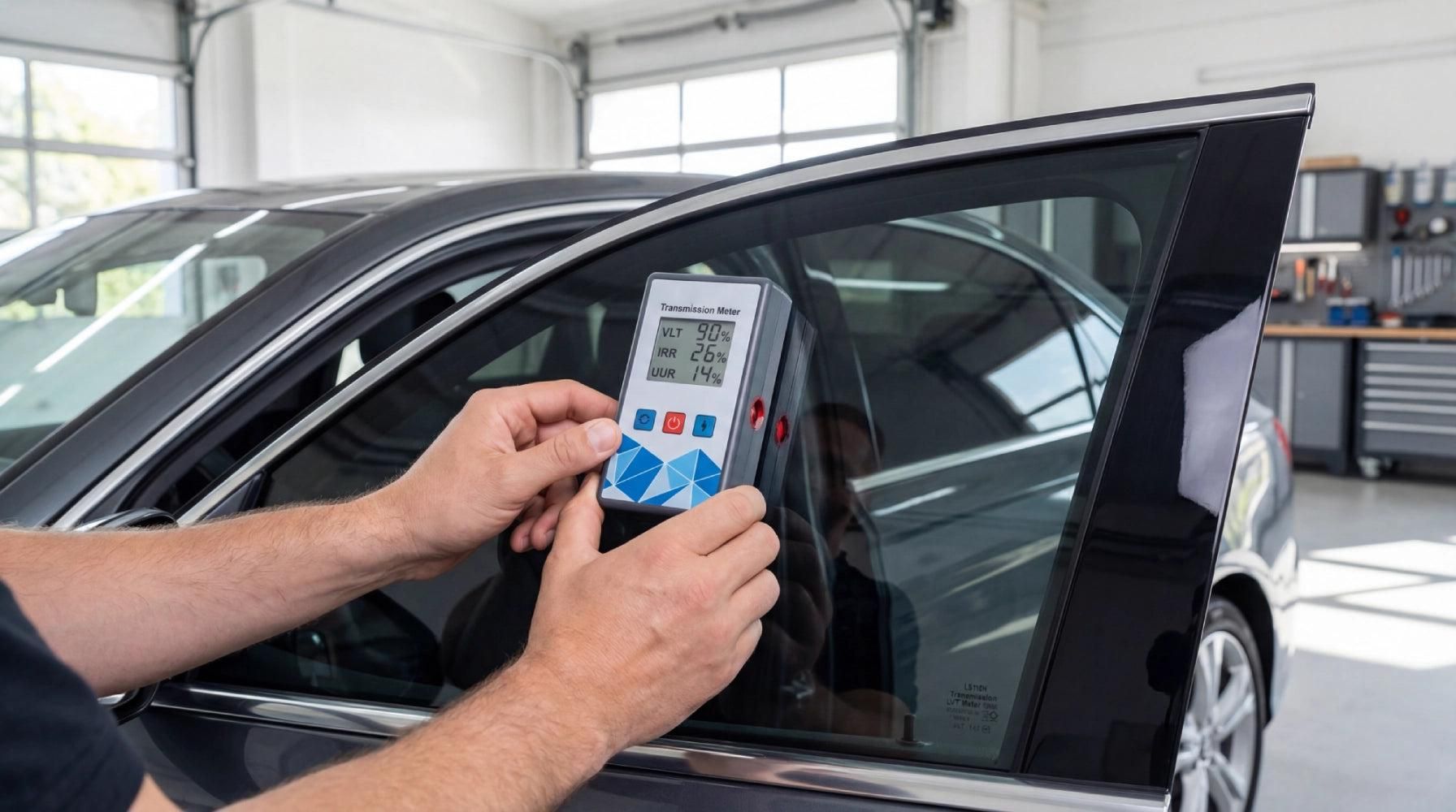
DIY tint or older films can end up outside those limits, especially if layers were added over time. If your tint has faded in spots but is darker in others, or if you have unknown film from before you owned the car, it may not match what the law allows.
Visibility and night driving safety
Old or too-dark tint can:
- Make it hard to see in heavy rain
- Hide people, bikes, or animals in low light
- Increase glare and halos around lights if the film is scratched or hazy
During busy tourist seasons and evening commutes, you want the clearest, most accurate view possible. Struggling to see through worn tint adds stress and risk.
Insurance, inspections, and tickets
If your tint is clearly peeling, bubbling, or darker than allowed, you can face:
- Attention from law enforcement
- Trouble with inspections or vehicle checks
- Extra costs to fix tint that has to be removed in a hurry
It is usually better to replace aging tint on your own terms, with a film that is designed to meet Florida rules and hold up well in our climate.
Time for an Upgrade: Get Cooler, Clearer, and Protected
So how do you know when your car really needs new tint? Here is a simple checklist. It might be time to upgrade if:
- Your tint is peeling, bubbling, or lifting at the edges
- The color has turned purple or looks patchy
- You see haze, scratches, or distortion when you look through it
- Your car feels hotter than it used to, even with tint
- Your seats, dash, or door panels are fading or cracking faster
- You are not sure your tint is still legal or safe at night
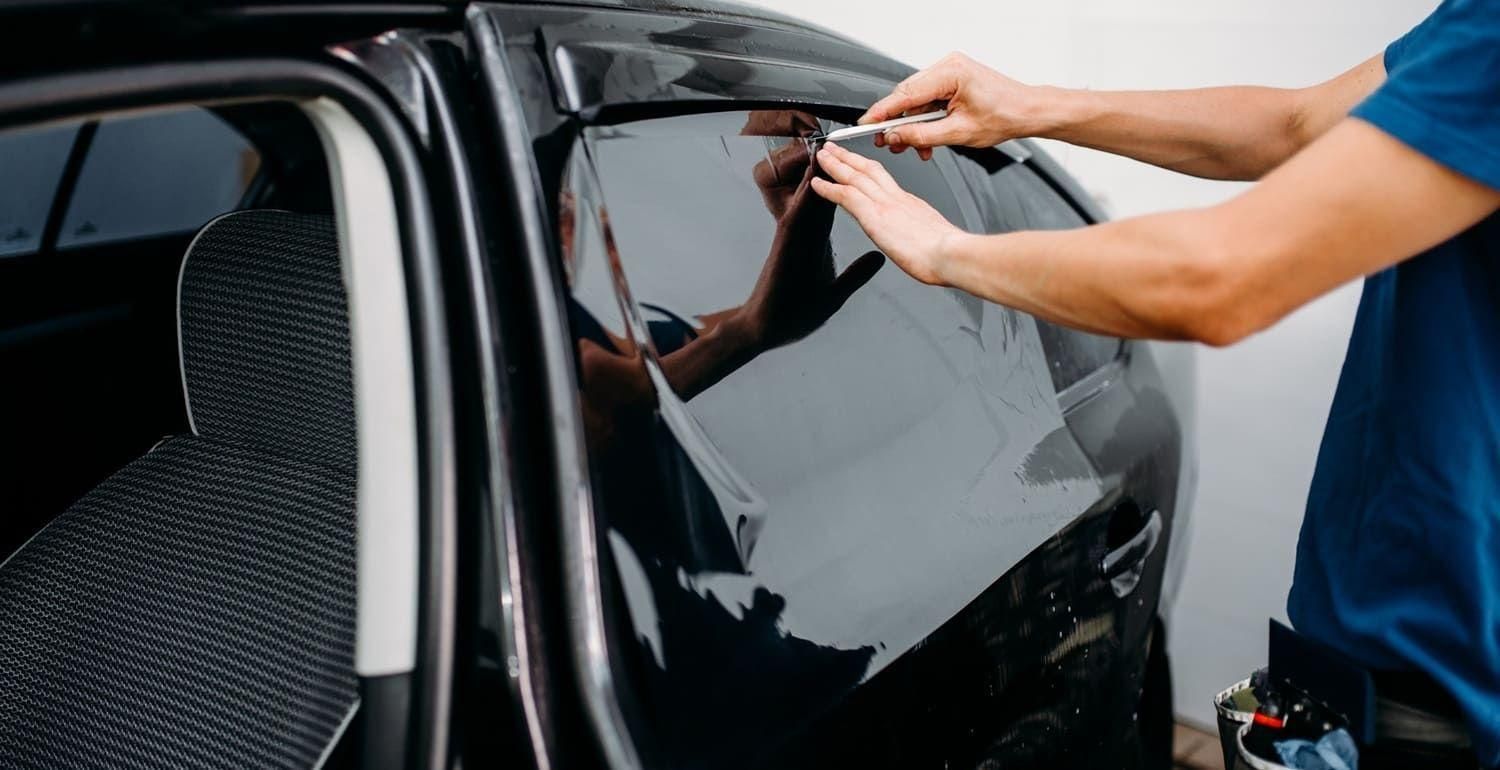
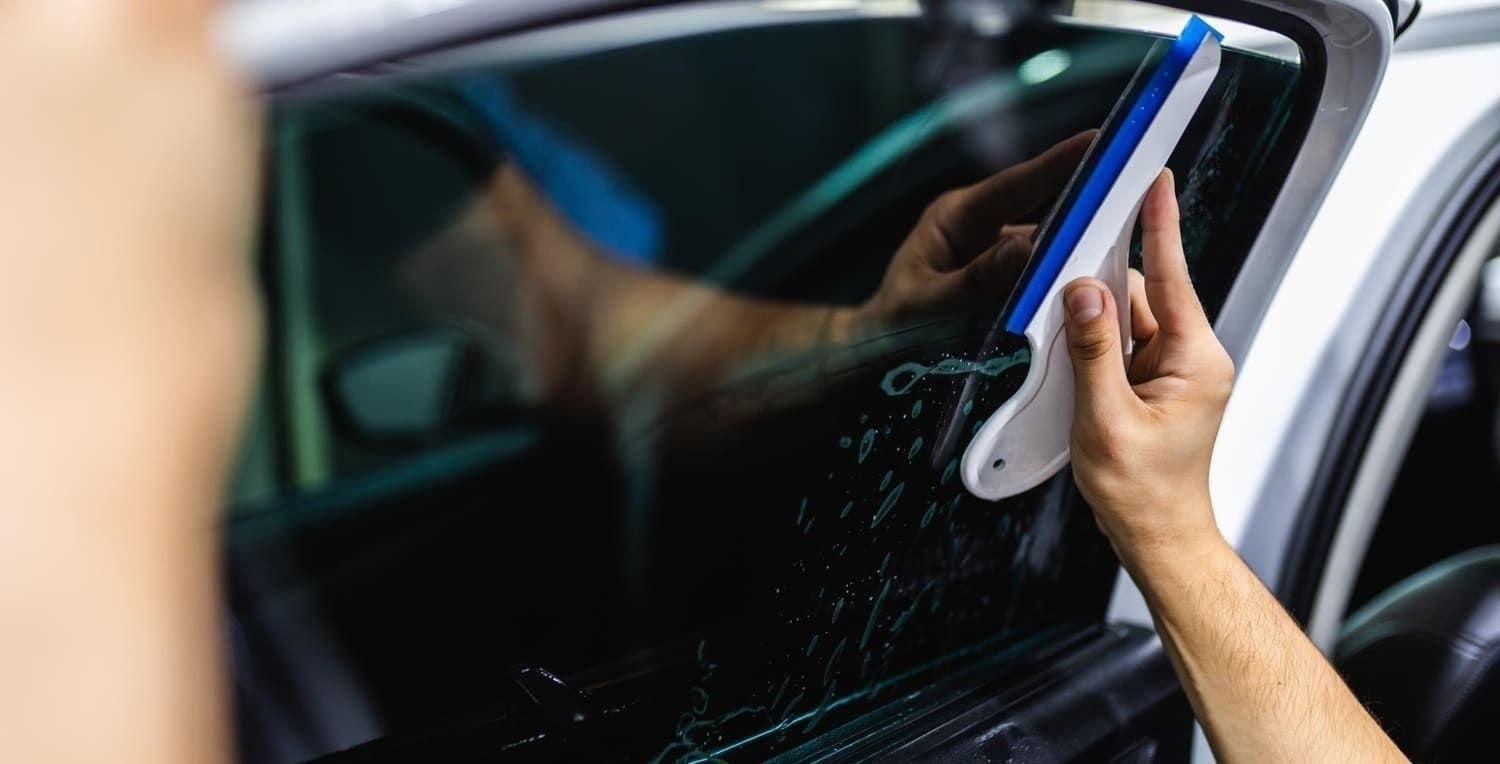
Replacing worn film with quality window tint helps cut heat, block UV, and give you a sharper view of the road. At Solartex Window Tinting, we install premium LLumar films designed for long-term performance, and they come with a lifetime warranty from the manufacturer. Our team carefully removes old, failing film, protects your glass and defroster lines, and installs new tint so it fits clean and looks factory fresh.
In
Fort Myers and across Lee County, the sun is not taking a break. As days get longer and spring and summer driving pick up again, fresh
LLumar window tint can help keep your car cooler, protect your interior, and make every drive feel clearer and more comfortable.
Enjoy Long-Lasting Comfort And Protection In Your Home
If you are wondering
how long does window tint last, we can help you choose a film that delivers years of reliable performance and clarity. At
Solartex Window Tinting, we carefully match product quality to your goals, whether you want to cut glare, lower energy bills, or protect interiors from fading. Let us walk you through your options and provide a professional installation that stands the test of time.
Reach out today so we can help you plan the right tint solution for your home.