Ceramic Tint vs. Myths in Florida: IR Rejection, Visibility, Signals, Warranty
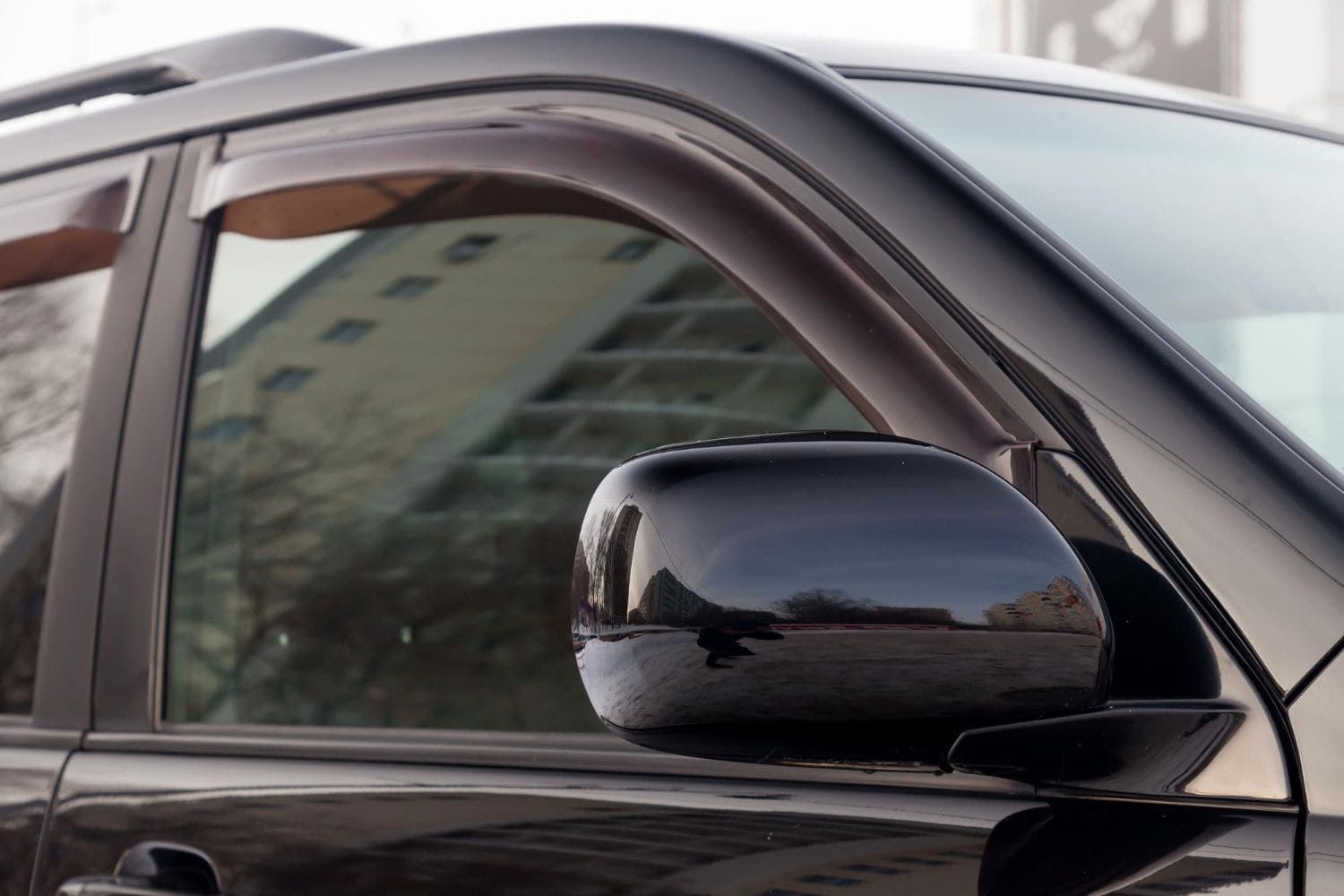
Ceramic Tint Myths Florida Drivers Need to Stop Believing
Ceramic window tint gets talked about a lot in Florida. With our brutal sun, heavy humidity, and long days on the road, tint sounds like it should fix every heat and glare problem in one shot. That leads to a lot of big promises and a lot of confusion.
We hear the same myths over and over from drivers and homeowners. Things like, “Ceramic blocks all heat,” “It ruins your signal,” “It is way too dark at night,” or “It is no different from regular tint.” None of those are fully true. They all have a small piece of truth, mixed with a lot of misunderstanding.
Our team works with cars, homes, and commercial buildings in the Fort Myers area every day, so we see what ceramic tint really does in Florida conditions. In this guide, we clear up the myths, explain the real benefits, and help you understand where ceramic tint shines and where its limits are.
What Ceramic Window Tint Is (and Why It Matters)
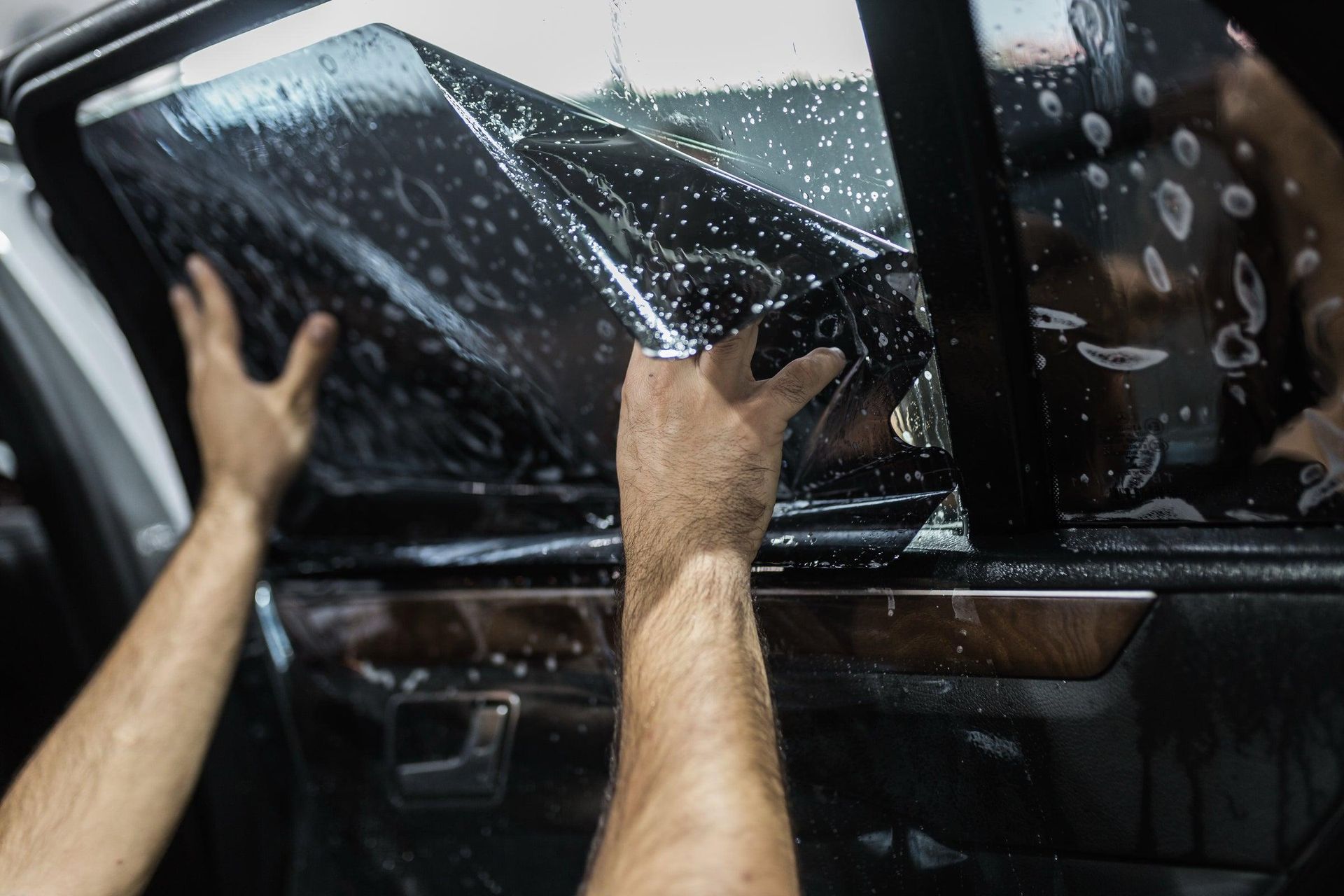
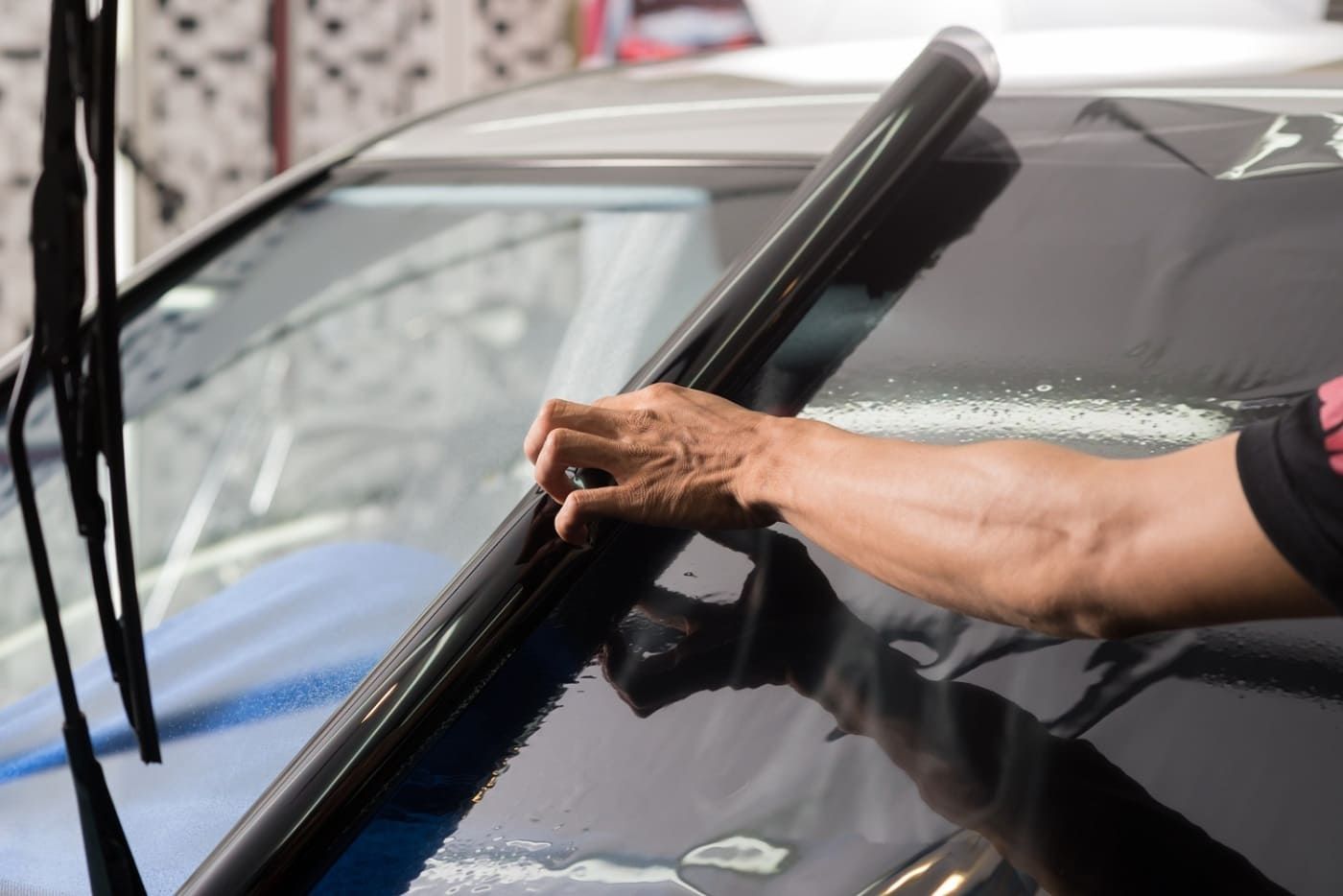
Ceramic window tint is a film that goes on the inside of your glass. Instead of using cheap dyes or metal layers, ceramic films use tiny nano-ceramic particles. You cannot see these particles, but they change how the film handles heat and light.
Here is what that means in simple terms:
- Dyed tint mainly colors the glass; it cuts glare and adds privacy, but does not do much against heat
- Metallic tint adds metal to reflect heat, but can sometimes bother signals
- Ceramic tint uses non-metallic particles to cut heat and glare without messing with electronics
Good ceramic films are designed to help with:
- Heat rejection so the cabin or room feels cooler
- UV protection to help protect your skin and interior surfaces
- Reduced glare from bright sun, headlights, and reflections
- Comfort for both front and back seats, or for people working or relaxing near windows
Two cars or homes can look almost the same from the outside, but perform very differently. Cheap dyed tint can be dark and shiny, yet still let in a lot of heat. A quality ceramic window tint can be a lighter shade and still keep the cabin or room noticeably more comfortable.
IR Rejection vs. Total Heat: What Ceramic Tint Really Blocks
One big myth is that ceramic tint blocks all heat. That is not how any film works. To understand this better, it helps to know two common terms you will see on spec sheets: IR rejection and TSER.
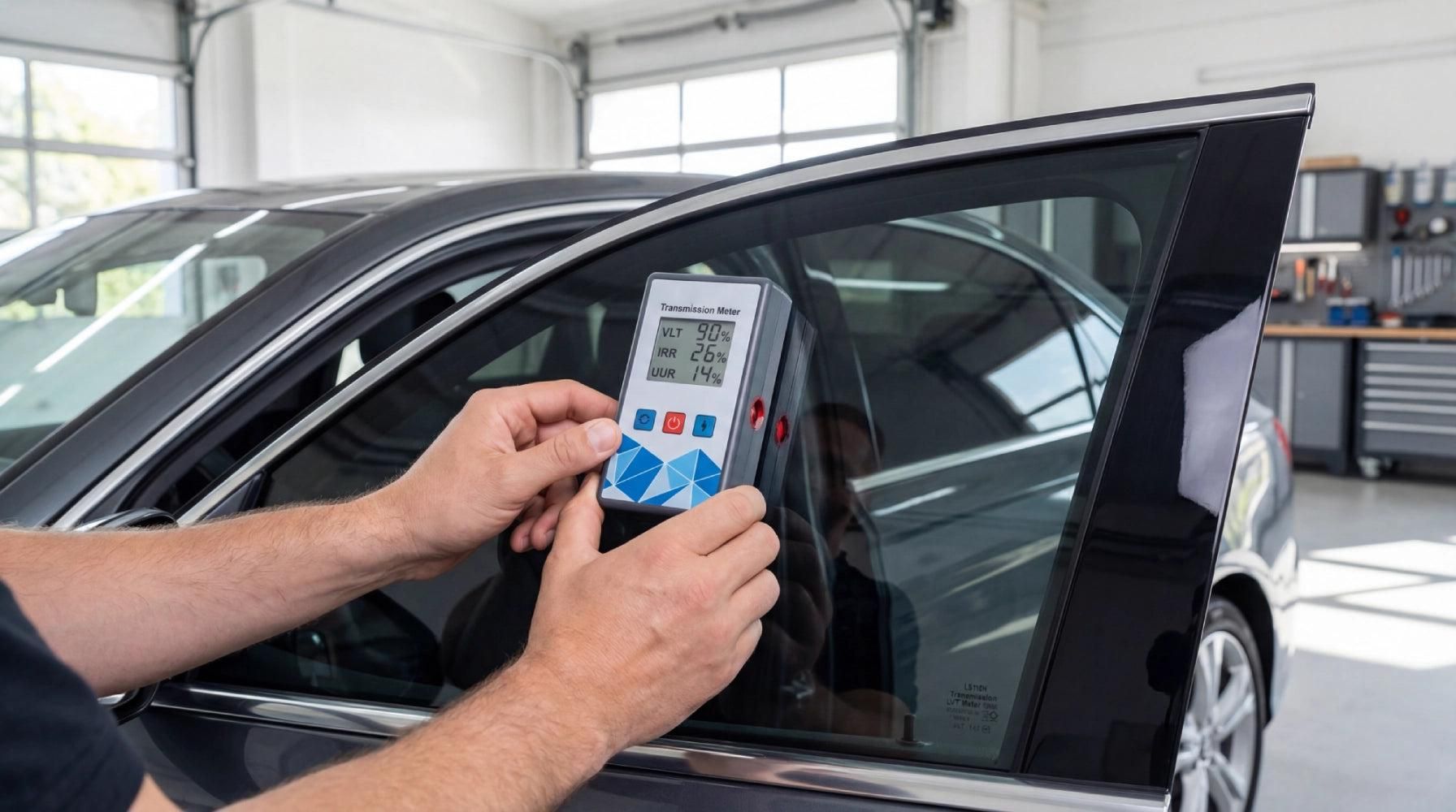
Infrared, or IR, is the part of sunlight that feels like radiant heat on your skin. IR rejection tells you how much of that specific type of heat the film is blocking. Total Solar Energy Rejected, or TSER, looks at the bigger picture. It mixes visible light, IR, and some other parts of the sun’s energy into one number.
So when a ceramic film shows high IR rejection:
- It can knock down a big share of that “baking” feeling from the sun
- It can make seats, steering wheels, and dashboards feel cooler to the touch
- It does not mean every bit of heat is gone
Florida sun is intense, especially around midday or when you are parked. Even with a strong ceramic film, there will still be some heat build-up. The tint is working, it is just not a magic shield.
Your real-world results also depend on:
- Window angle, steeper windshields let in more light and heat
- Vehicle color, dark paint and interiors tend to soak up more heat
- Interior materials, leather, vinyl, and dark plastics can hold heat longer
- Glass size, big windshields and large side windows bring in more energy
So ceramic tint is best thought of as a powerful filter. It cuts a lot of the sun’s energy before it gets inside, but it cannot shut it off completely, especially in strong Florida sun.
Signal Interference and Night Driving: the Truth About Visibility
Another common fear is that ceramic tint will mess with tech. Ceramic films are non-metallic, so they are designed not to interfere with:
- GPS
- Cell service
- Satellite radio
- Bluetooth
- Key fobs and remote entry
Some older metallic films could make these systems weaker in certain spots, but ceramic tint avoids that issue by not using metal in the first place.
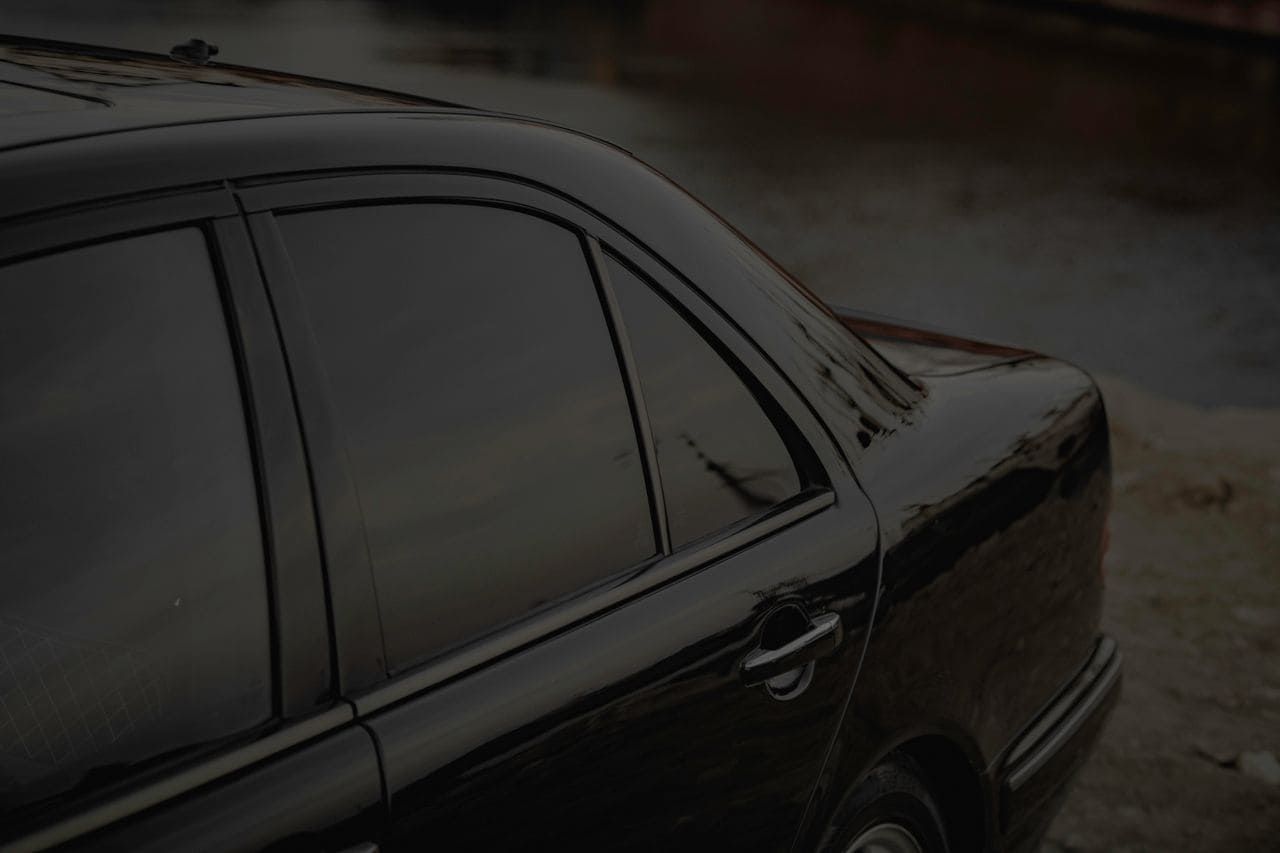
Night driving is the other big concern. People worry they will not be able to see, especially in rain or when it gets dark earlier in fall. The truth is, night visibility has more to do with:
- Shade level, how dark the tint is
- How clean the glass is, inside and out
- The quality of the film and installation
Florida has specific legal limits on how dark you can go on different windows. Staying within those limits is not just about avoiding tickets, it also helps keep your night vision safer. A quality ceramic tint in a legal shade will still cut glare from headlights without making you feel like you are driving with sunglasses at night.
When we help someone choose a shade, we look at their driving habits. Long highway trips, early morning commutes, and late-night drives all play a part. That way you get real heat and glare control without giving up clarity when it matters.
Ceramic Tint Warranties, Longevity, and Florida Reality
A good ceramic window tint usually comes with a warranty from the filmmaker. These often cover problems like:
- Fading or major color change
- Bubbling or peeling
- Cracking or adhesive failure
What they do not cover are things like:
- Glass breakage from impact
- Damage from scraping or sharp tools
- Harsh chemicals or improper cleaning
Florida’s sun and humidity hit tint hard. Cheaper dyed films can fade, turn purple, or peel much sooner under this kind of daily stress. Salt air near the coast and constant use of AC can also expose weak spots in low-quality films.
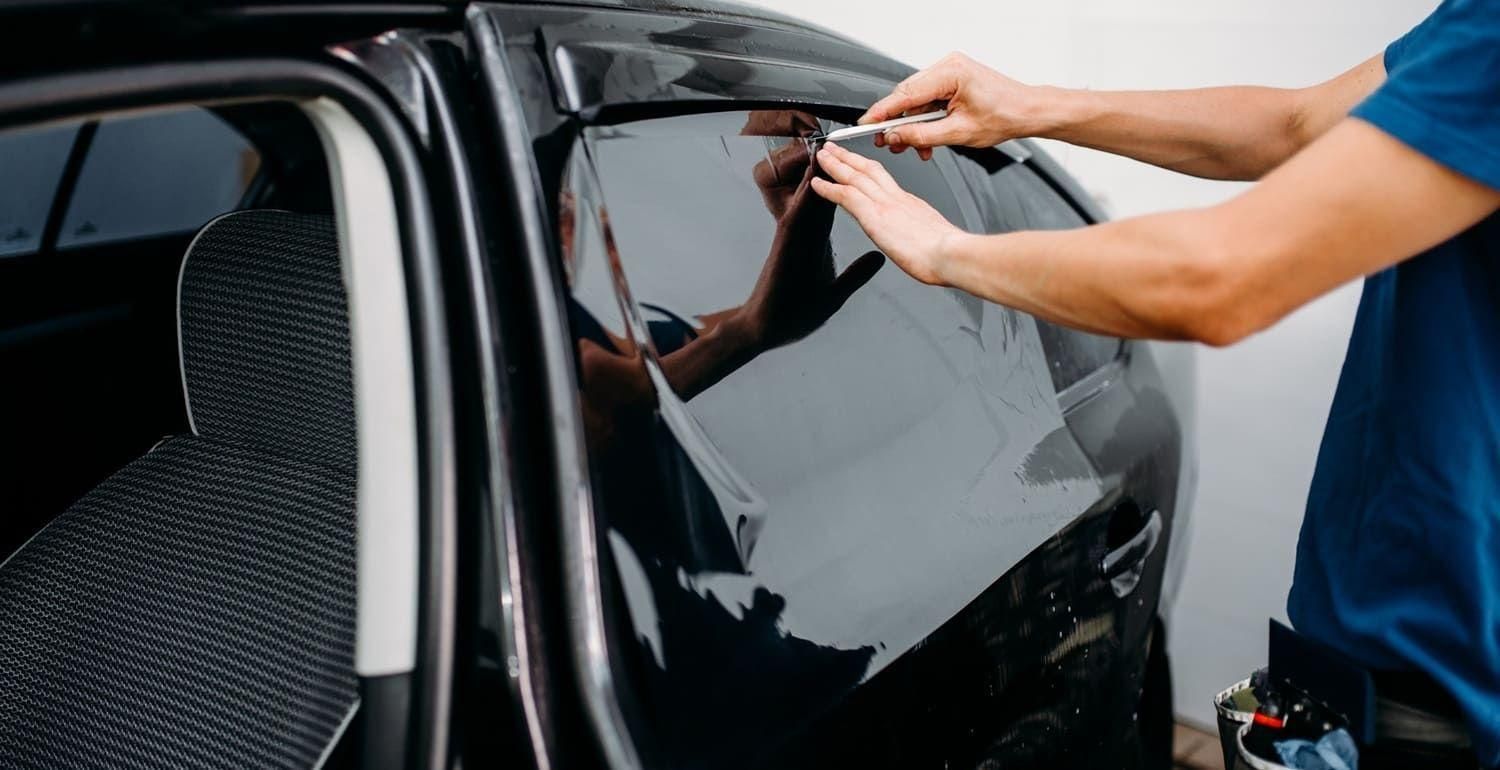
With premium ceramic films and proper prep, the tint is built to handle our local conditions much better. Careful cleaning of the glass, correct shrinking and fitting, and clean edges all help the film last longer and look better over time. Working with an established installer means the product and the workmanship are both set up to support that warranty for the long run.
Choosing the Right Ceramic Tint for Florida Roads and Homes
The right ceramic window tint is not the same for everyone. A daily commuter car, a work truck, a family SUV, and a performance car all have different needs. Homes and offices add even more variety with window size, direction, and how each space is used.
Here is a simple way to think about it:
- Daily driver, focus on balanced heat rejection and visibility
- Work truck or van, look for durability and strong front comfort
- Family SUV, aim for comfort and glare reduction for kids and passengers
- Home or office, choose films that cut heat and UV without making rooms feel closed in
Going straight for the darkest shade is usually not the best move. A lighter ceramic film can often offer strong heat control while keeping things bright and clear. The real goal is a mix of:
- Heat rejection
- Day and night visibility
- Style that fits your taste
- Performance that matches how you drive or use the space
As fall brings earlier sunsets, more holiday errands, and sometimes longer road trips, it is a great time to rethink what you want from your tint. Seeing ceramic films in person, feeling a heat display, and talking through your daily routine with an experienced local installer can make choosing much easier. Solartex Window Tinting is here to help drivers and property owners in the Fort Myers area find ceramic tint options that fit Florida life, without the myths.
Get Started With Your Project Today
If you are ready to keep your home cooler, protect your interiors, and cut glare without sacrificing natural light, our team at
Solartex Window Tinting is here to help. Explore how our
ceramic window tint can be tailored to your space and your goals. We will walk you through film options,
provide a clear quote, and schedule installation at a time that works for you.
Reach out today to start planning a more comfortable, energy-efficient home.