Florida Tint Law Exceptions: Medical Exemptions, Applying, and Compliance
Florida Tint Law Exceptions Before You Tint
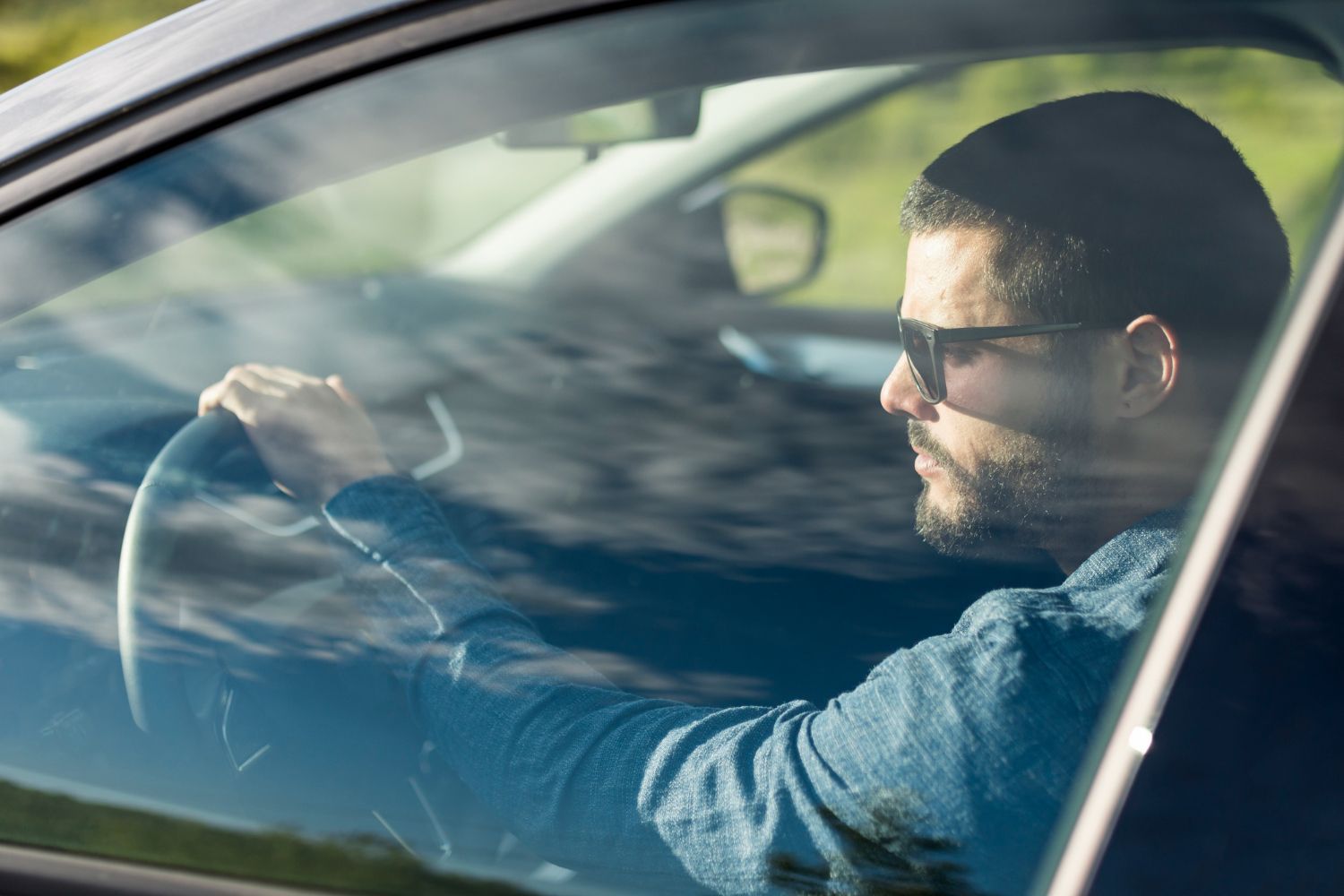
Florida tint laws can feel confusing, especially when you hear people talk about “medical exemptions” or “special cases.” Still, these rules exist for a reason. The state wants to balance driver comfort with safety for everyone on the road. Officers need to see inside a vehicle enough to do their job, and dark glass can make that harder.
Exceptions and medical tint exemptions are built into the law for people who truly need extra protection from the sun. That is especially important as long days and strong UV light hit hard around June and through the summer. If you live in your car during your commute or you spend a lot of time driving around Lee County, the right tint can make a big difference.
In this article, we will walk through
Florida window tint laws explained in plain, friendly language. We will cover who may qualify for darker tint, how the medical exemption process works, and what you need to stay compliant and avoid tickets. We are a local Fort Myers tint shop, and we help drivers and homeowners stay comfortable while still respecting Florida law.
Florida Window Tint Laws Explained in Everyday Terms
To start, it helps to understand the standard legal tint most drivers must follow. Florida sets rules based on visible light transmission, also called VLT. This is the amount of light that can pass through your glass and tint together. A higher number means lighter glass. A lower number means darker glass.
In simple terms, Florida law treats different windows in different ways. The rules also change a bit for sedans versus SUVs or trucks. Here are the general ideas many drivers work with:
- Front side windows usually must stay lighter so officers can see the driver
- Rear side windows and the back glass can often be darker than the front
- The windshield can usually only have a tinted strip at the top, not full dark film across the whole glass
- SUVs and trucks often get slightly more freedom in the back compared with sedans
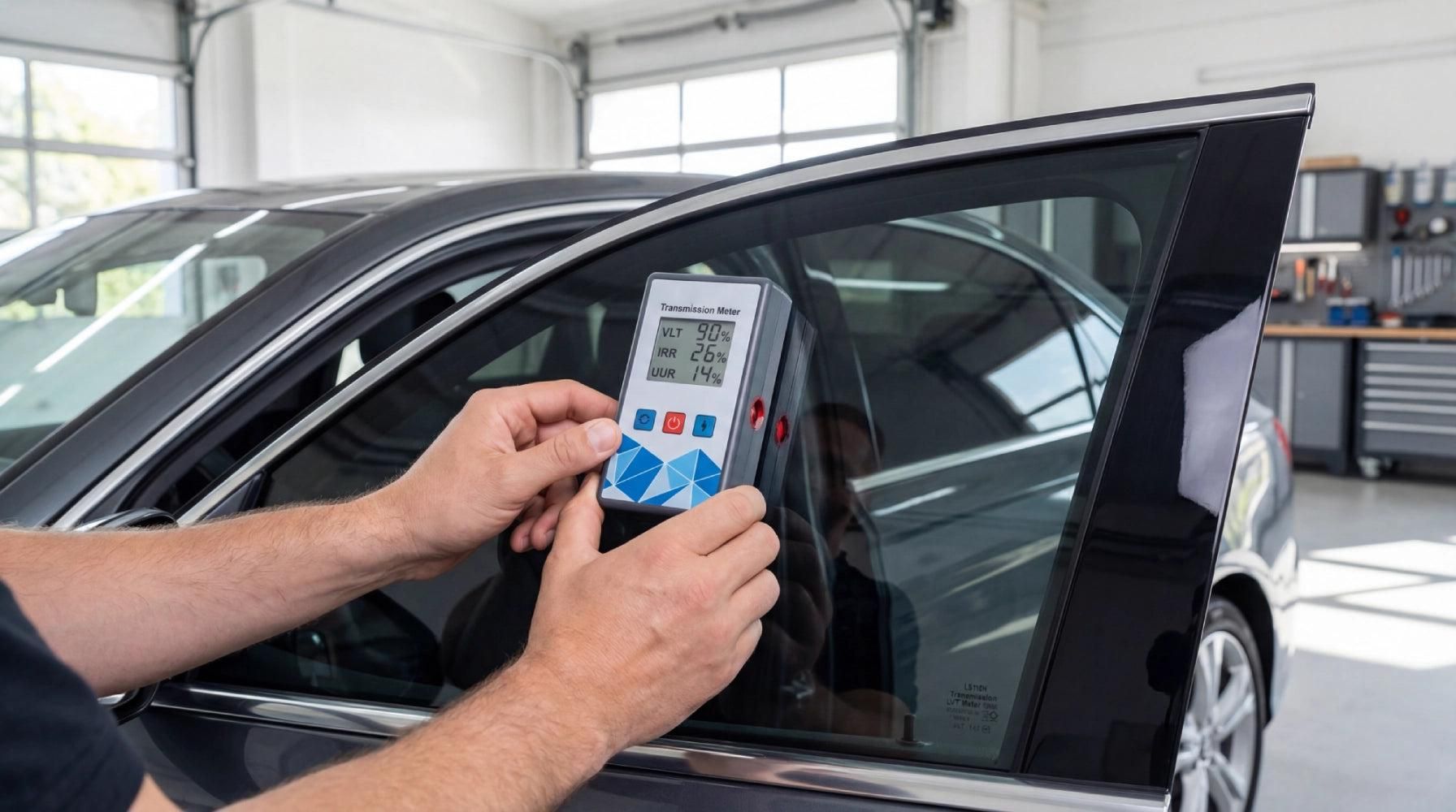
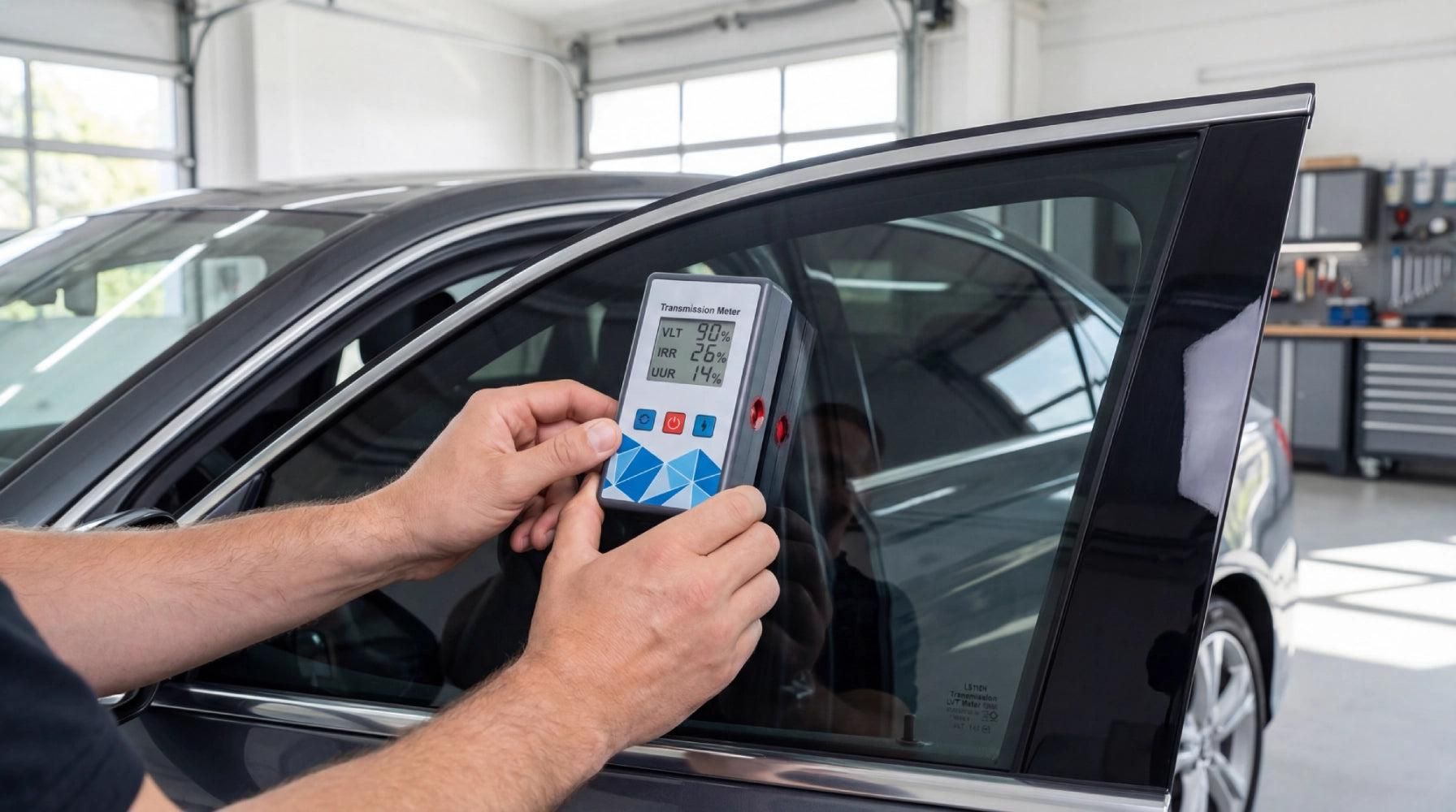
Enforcement is pretty straightforward. When you are stopped, officers can use a handheld meter that clamps on the glass to check how much light passes through. Some common reasons people get cited include:
- Adding dark film on top of already tinted “privacy glass”
- Letting a friend install film that is too dark for the front windows
- Not realizing that aftermarket film plus factory tint together can push you below the legal limit
“Factory tint” is what comes in the glass from the vehicle maker. Aftermarket film is what a tint shop applies. Florida views them together. So if the glass starts out tinted, your film needs to be lighter so the total still meets the law.
An “exception” is different from a normal tint setup. Most drivers fall under standard limits. A medical exemption allows darker tint if a doctor states, in writing, that regular legal levels are not enough. Other narrow exceptions can apply to things like certain law enforcement or commercial vehicles, but those are not common for everyday drivers.
Who May Qualify for a Florida Medical Tint Exemption
A medical tint exemption is not about style or hiding the inside of your car. It is about protecting health. The state looks for real medical need, usually tied to serious sensitivity to sunlight.
Conditions that may qualify often involve the skin or eyes. Some examples many people think about are:
- Autoimmune issues that cause extreme photosensitivity
- Certain types of skin cancer or skin disorders made worse by UV exposure
- Genetic conditions that affect pigment and make sun exposure harmful
- Eye conditions where bright light or UV can cause damage or pain
The key idea is simple: sunlight must make the condition worse, and normal legal tint cannot give enough protection. A diagnosis alone is not always enough. The link between light exposure and the condition needs to be clear, and your provider should be able to explain it.
For people in Southwest Florida, doctors may also consider daily sun exposure. We deal with bright light, long stretches in traffic, and a lot of reflective glare from water and light-colored pavement. If you spend a big part of your week driving, that can matter when a provider writes about how often you are in the sun and why extra shading might be medically helpful.
Step-by-Step Guide to Applying for a Tint Medical Exemption
If you think you might qualify, your first stop is your medical provider, not the tint shop. You will need their support before the state will consider an exemption.
Here is the basic flow many drivers follow:
- Talk with your doctor about your symptoms and daily sun exposure
- Ask if darker window tint would help protect your health
- If they agree, request written documentation for the exemption
- Submit the required paperwork to the Florida Department of Highway Safety and Motor Vehicles
The medical statement or form usually must include several details:
- Your full name and basic patient information
- Your diagnosis or a description of the condition
- How sunlight or UV makes the condition worse
- Why standard legal tint levels are not enough
- The physician’s name, license number, and contact information
- A clear recommendation for increased protection, such as darker film or extra UV control
After you submit the paperwork, the state reviews it. If your application is approved, you receive proof of your exemption. This might be a letter, card, or other document that explains your permission for darker tint. You must keep that proof in the vehicle that has the special tint, in case you are stopped.
Exemptions can be granted for specific time periods. Some need to be renewed, especially if the condition or license information changes. It is a good habit to note the expiration date and set a reminder long before it runs out so you are never caught driving with darker tint and an expired exemption.
Staying Compliant Once Your Darker Tint Is Installed
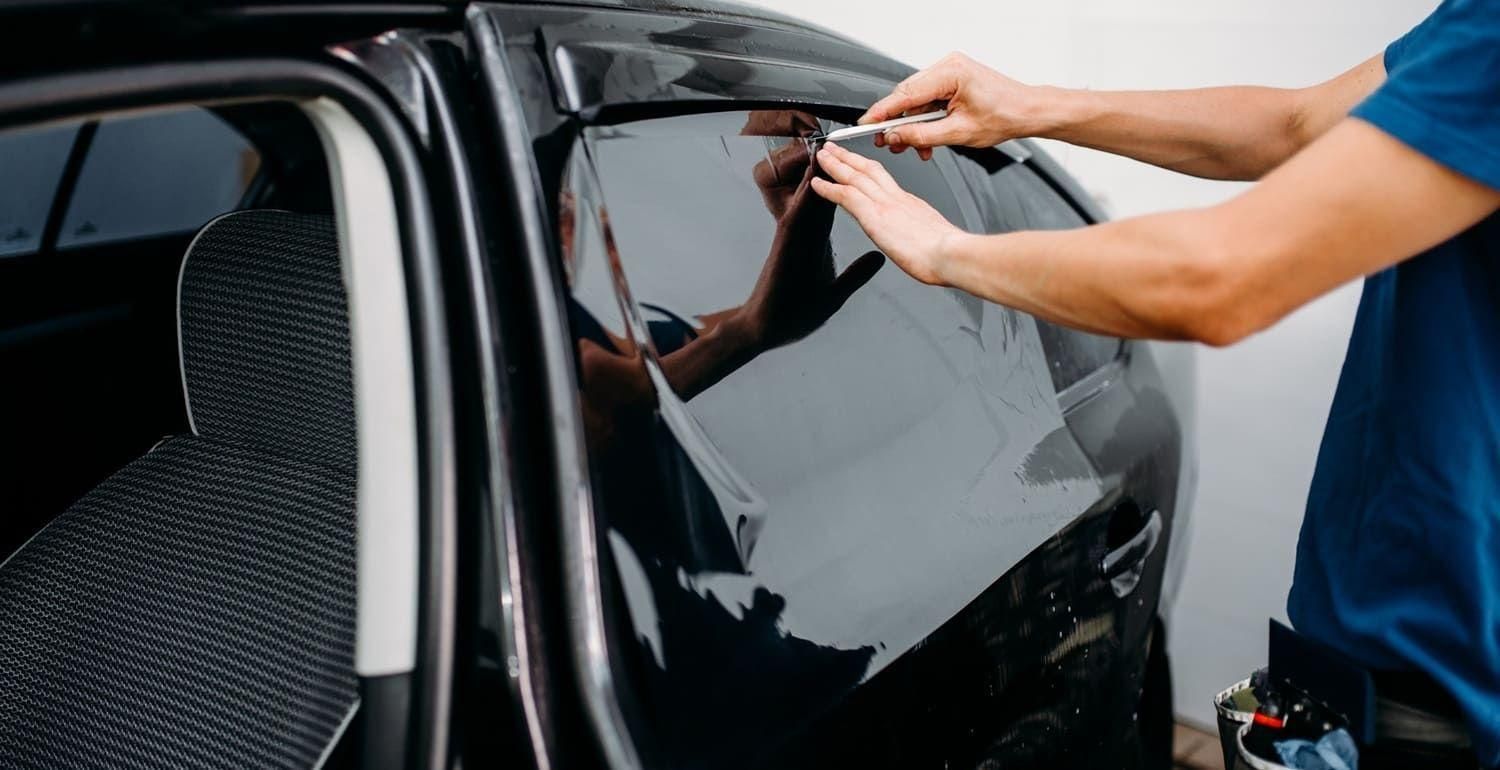
After approval, the next step is matching your allowed tint to the right film. This is where professional help can keep you out of trouble. Your exemption does not give unlimited freedom. You still must stay within the limits listed in your approval.
A good installer will:
- Read your exemption details
- Match the recommended light level to specific film shades
- Measure or test the glass so the final VLT stays within the allowed range
Once your darker tint is on the vehicle, keep key paperwork in your glove box at all times:
- A copy of your exemption letter or card
- Your vehicle registration
- Proof of installation, such as a receipt with film brand and shade
If you are stopped, stay calm and polite. Let the officer know you have a medical exemption and show your documents. Having clear paperwork and professional film labels makes the stop faster and smoother.
Some common mistakes to avoid include:
- Adding an extra layer of film later without checking the final VLT
- Letting someone peel and replace a window without testing the new shade
- Ignoring renewal dates on your medical exemption
- Using a hobby installer who cannot explain the film specs or provide documentation
When in doubt, ask a pro to meter your windows again before making any changes.
Partner With a Florida Tint Pro to Get It Done Right
Working with a Florida tint specialist who understands state rules is one of the easiest ways to stay legal and comfortable. A local shop that deals with these laws every day can help you read your exemption, translate it into actual film choices, and avoid shades that would put you at risk of a ticket.
At
Solartex Window Tinting in
Fort Myers, we work with premium LLumar films for automotive, residential, and commercial projects. We are familiar with how Florida tint rules play out on real streets in Lee County. We help drivers line up their medical exemptions with specific film options, document tint levels, and keep clear records of what was installed.
Professional installation is about more than looks. It is about doing things the right way so you get the comfort, privacy, and UV control you need while still respecting Florida law. If you are thinking about a medical tint exemption or already have one approved, a local pro can help you turn that paper into a safe, compliant setup that works for your daily life.
Protect Your Home And Stay Compliant With Florida Tint Laws
If you are unsure what is legal for your windows, we break it all down in our guide,
Florida window tint laws explained, so you can make confident choices for your home. At
Solartex Window Tinting, we help you choose films that meet state regulations while improving comfort, privacy, and energy efficiency.
Reach out today so we can review your goals, answer your questions, and recommend a compliant tint solution tailored to your space.