Out-of-State Window Tint Rules for Florida Drivers Crossing State Lines
Out-of-State Tint Laws Can Surprise Florida Drivers
Window tint that feels perfect in Florida can turn into a problem the second you cross a state line. A tint setup that is legal at home might get you stopped in another state, especially on long summer drives or during busy evacuation traffic. That can mean tickets, delays, and stress when you are just trying to get where you need to go.
We want Florida drivers to understand how this happens and how to avoid it. We will walk through
Florida window tint laws explained in simple terms, talk about how other states see your tint, and share some easy planning tips before a road trip. Our team helps local drivers choose tint that keeps them comfortable in the Florida sun and still makes sense if they often drive out of state.
Florida Window Tint Laws Explained in Simple Terms
Florida has clear rules about how dark you can go on each window. The rule that matters most is called visible light transmission, or VLT. This is the amount of light allowed to pass through the glass. A higher number means a lighter tint, a lower number means a darker tint.
In simple terms, Florida law includes things like:
- A limit on how dark your front side windows can be
- Different limits for rear side windows and the back glass
- Limits on how far tint can go down on the windshield
- Rules about how reflective the film can be
Florida also has basic medical exemptions, which may allow darker tint if a driver has certain medical needs and the proper paperwork. That is something to handle carefully with the right forms and proof.
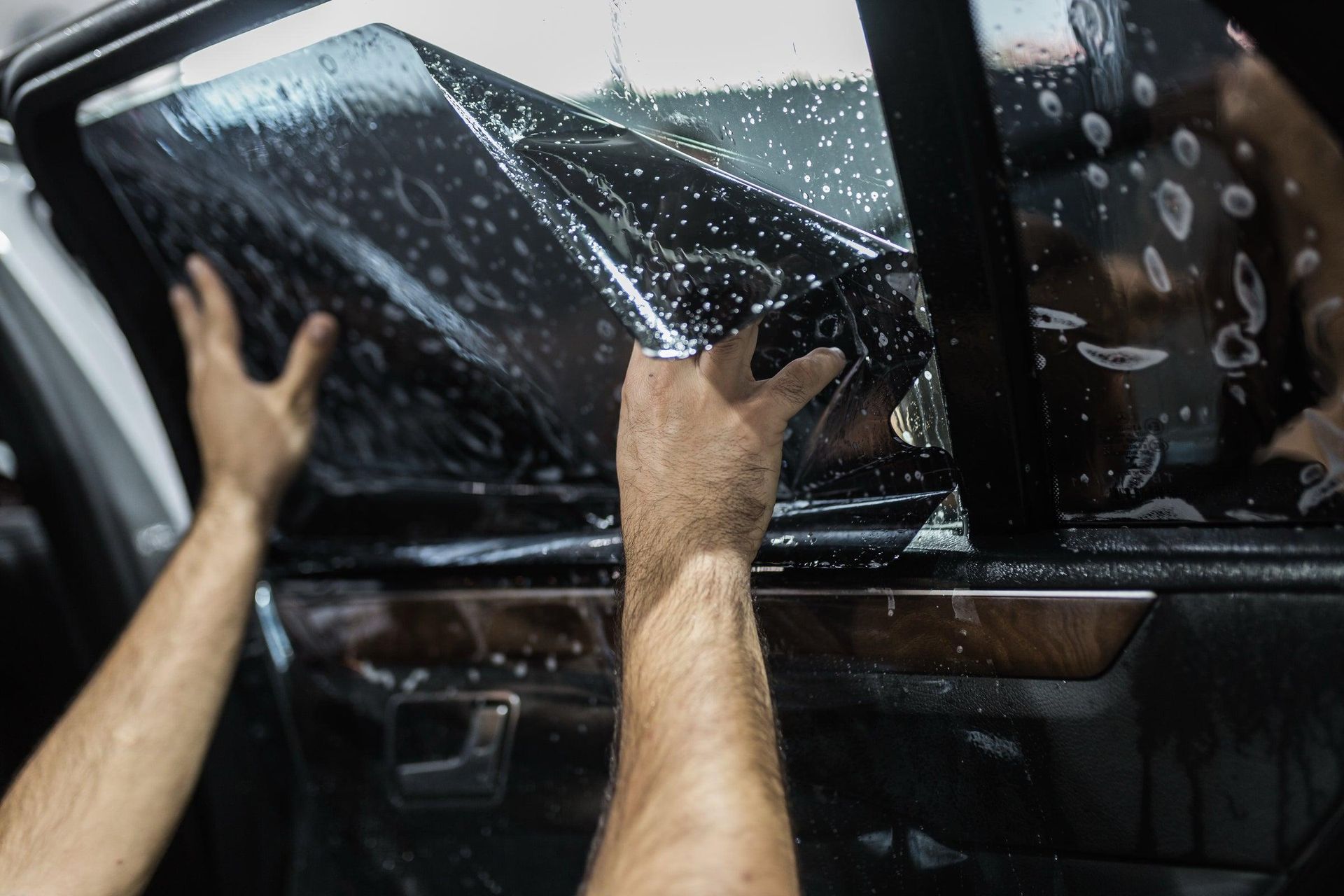
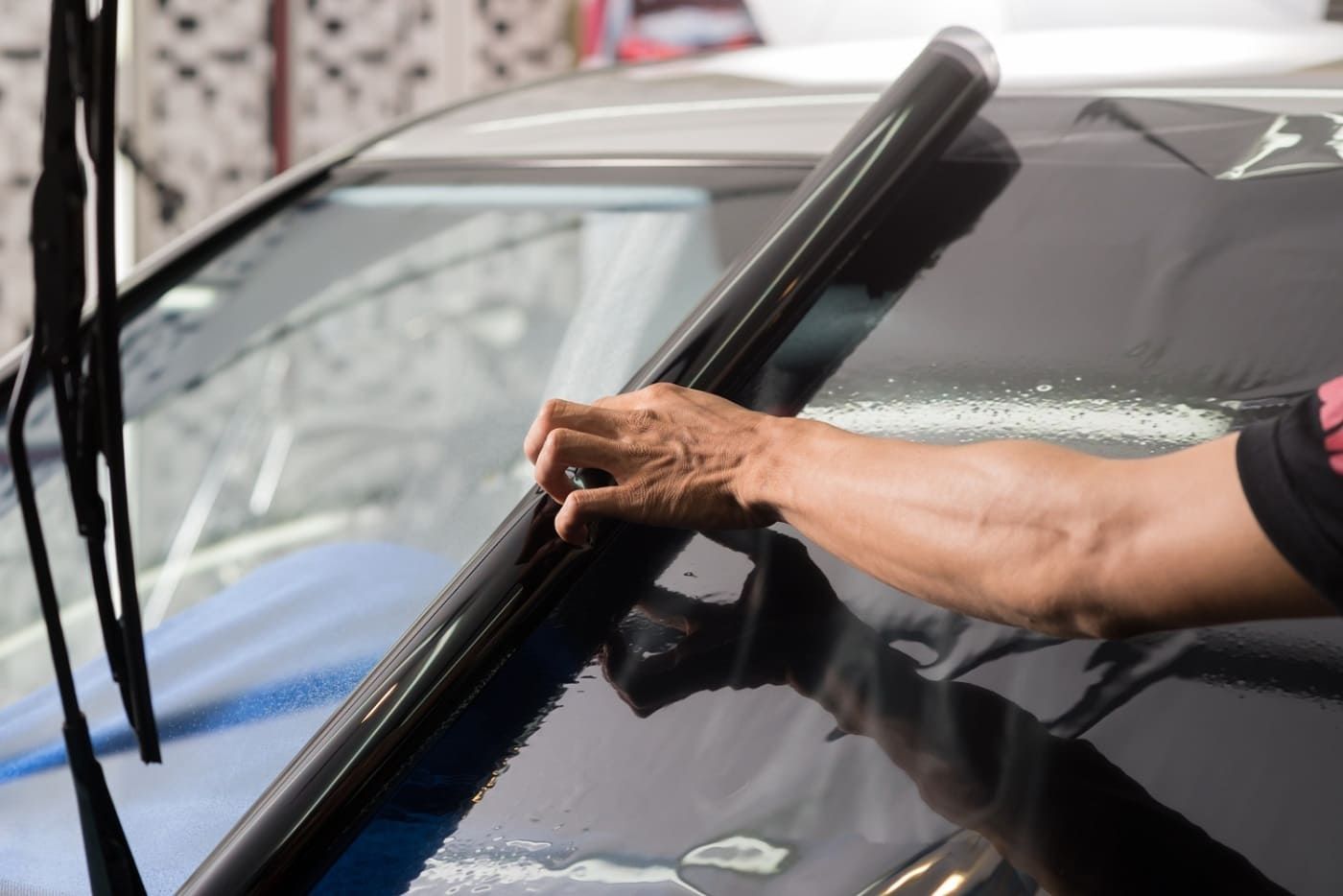
One big thing many drivers miss is that factory glass is often already tinted a little. When you add film on top, the total VLT gets lower. So a film that sounds legal on paper can end up too dark once it is installed over factory tint. That is how many drivers end up breaking Florida rules without knowing it.
On bright, hot summer days, it is tempting to go as dark as possible. We see that a lot in our area, since the sun is strong almost all year. The good news is that quality films, like the LLumar products we install, can cut a lot of heat and block UV even in lighter shades. That means you can protect your skin, your eyes, and your interior without having to sit inside a rolling cave.
How Other States See Florida-Legal Tint
Every state writes its own tint rules, and they do not match each other. Some states allow darker tint than Florida, some allow lighter tint, and some are especially strict on front windows or windshields. If your tint is right at the Florida limit, it might be past the limit once you cross into another state.
Many drivers think, "My car is registered in Florida, so other states should accept Florida rules." That is not always how it works. When you drive through another state, local law enforcement can go by their own laws, not just the rules where your plate is from. That means an officer in a stricter state may still write a ticket on a Florida car.
Common trouble spots for road trippers include states that:
- Require lighter VLT on front side windows
- Only allow a very small tint strip at the top of the windshield
- Ban certain colors of film
- Have lower limits on mirror-like or shiny tint
Snowbirds, college students, and families who drive north for vacations run into this a lot. The tint that feels normal in Fort Myers might stand out once you reach some Northeast or Midwest states that prefer a more open, clear look on the front doors and windshield area.
Road-Trip Planning so Tint Does Not Slow You Down
If you plan a long drive for summer break, college move-in, or hurricane-season evacuation, it helps to do a quick tint check before you leave. A little homework at home is much easier than dealing with a ticket on the highway.
A simple pre-trip checklist looks like this:
- Look up tint rules for each state on your route
- Make sure your front side windows are not darker than the strictest state
- Check how far your windshield strip comes down
- Confirm that any colored or reflective film is allowed in those states
It also helps to know your actual VLT numbers, not just what the film box said. Professional shops can meter your windows and tell you what light level you really have after film plus factory glass. That number is what an officer will see if they use a meter on the roadside.
Summer is prime time for long drives. Families head to the beach, students move to college, and people stay ready for possible storm evacuations. The last thing anyone needs during a busy drive is an extra stop and a ticket because of tint. Many drivers also look at film manufacturer charts for their specific product, so they understand how much light each shade allows before they choose it.
Smart Tint Choices for Interstate Travelers
If you often leave Florida by car, it can be smart to think beyond just "What is legal here?" and instead ask "What will work almost everywhere I go?" That does not mean giving up comfort. It just means planning your shade levels with a little cushion.
Here are some smart choices for frequent interstate drivers:
- Pick a front window shade that is legal in Florida but still safe in most stricter states
- Keep the windshield strip within conservative limits
- Avoid unusual colors that might draw extra attention
- Choose film that focuses on heat and UV control, not just darkness
Modern ceramic and infrared-rejecting films are very good at blocking heat at lighter VLT levels. That is a big help during long drives in the Florida and Gulf Coast sun. You can keep the cabin cooler, protect your interior from fading, and reduce glare, all without dropping your front windows into a very dark range that other states may not allow.
Once you understand Florida window tint laws explained in simple terms, it is easier to treat them as your baseline. From there, going just a bit lighter on certain windows and using high-quality LLumar film can give you comfort, clear visibility, and fewer worries almost anywhere you travel.
Getting Travel-Ready Tint Before You Hit the Road
A short stop at a professional tint shop can make a big difference before a long trip. In our Fort Myers shop, we help drivers check their VLT, review their windshield strip, and talk through the states they visit most often. That way, we can suggest film shades and setups that balance comfort, style, and legal peace of mind.
Drivers who are already thinking about new tint, a ceramic upgrade, or a full vehicle refresh often pair tint work with services like detailing or ceramic coatings so the car feels ready for the miles ahead. When tint is chosen and installed with interstate travel in mind, your summer road trips tend to feel calmer. You get a cooler cabin, better visibility, and far less stress about what might happen when you cross that next state line.
Protect Your Home While Staying Compliant With Florida Tint Laws
If you are unsure what is legal for your windows, we break it down clearly with
Florida window tint laws explained so you can make confident choices. At
Solartex Window Tinting, we help you select shades that keep your home cooler and more comfortable while meeting state regulations.
Reach out to our team today so we can review your goals, walk you through the options, and schedule a professional installation that fits your timeline.