Choosing the Best Ceramic Tint for Florida’s Intense Sun
Stop Florida’s Scorching Sun Before It Hits Your Skin
The Florida sun does not play around. You feel it every time you open your car door and get hit with hot air, burning seats, and a steering wheel that is too hot to hold. The glare off the road makes your eyes tired, and your A/C works nonstop just to keep the cabin comfortable.
Ceramic window tint is one of the strongest ways to fight that heat before it ever reaches you. It helps block the sun’s harsh rays, cuts glare, and keeps the inside of your car cooler, without making your windows too dark or hurting your visibility. That is why so many drivers across Lee County are switching to it.
If you drive around
Fort Myers, Cape Coral, or anywhere in our area, you deal with bright sun, long traffic lights, and lots of stop-and-go during snowbird season. Choosing the best ceramic window tint for that kind of daily driving is a smart move. We will walk through how ceramic tint works, what features matter, and how to pick the right shade for Florida roads and laws.
Why Ceramic Tint Beats Dyed and Metallic Films
Most people know there are different types of window tint, but the differences can be confusing. Ceramic tint stands apart because of what is inside the film. It uses tiny nano-ceramic particles that are designed to block infrared heat and UV rays while keeping the film clear and stable over time.
Here is how ceramic compares to common options:
- Dyed tint: This type uses dye to darken the glass. It can cut glare, but it usually does not block much heat. Over time, it can fade or turn purple.
- Metallic tint: This film uses metals to reflect heat. It can help keep the car cooler, but it can also interfere with signals like GPS and cell reception.
- Ceramic tint: Built with ceramic particles, it is made to reject heat and UV without metal, so it does not mess with your devices and stays clear and color-stable.
For Florida drivers, ceramic has clear benefits:
- Strong heat rejection helps your A/C work less, especially in long lines of beach traffic.
- High UV protection helps shield your skin and slows down fading on seats, dash, and trim.
- No metal means your phone, GPS, and key fob signals can work like they should.
- Good clarity means your view stays sharp in bright sun and cloudy afternoons.
Cheaper dyed films might look fine at first, but when they bubble, fade, or change color, you end up paying again to fix it. A quality ceramic tint is built to last, so the long-term value is better, especially in our constant sun and humidity.
Key Features That Define the Best Ceramic Window Tint
Not all ceramic tints perform the same. When you are trying to pick the best ceramic window tint for Florida’s intense sun, it helps to know a few simple terms. You do not have to be a tech expert, just focus on the basics.
Important performance numbers include:
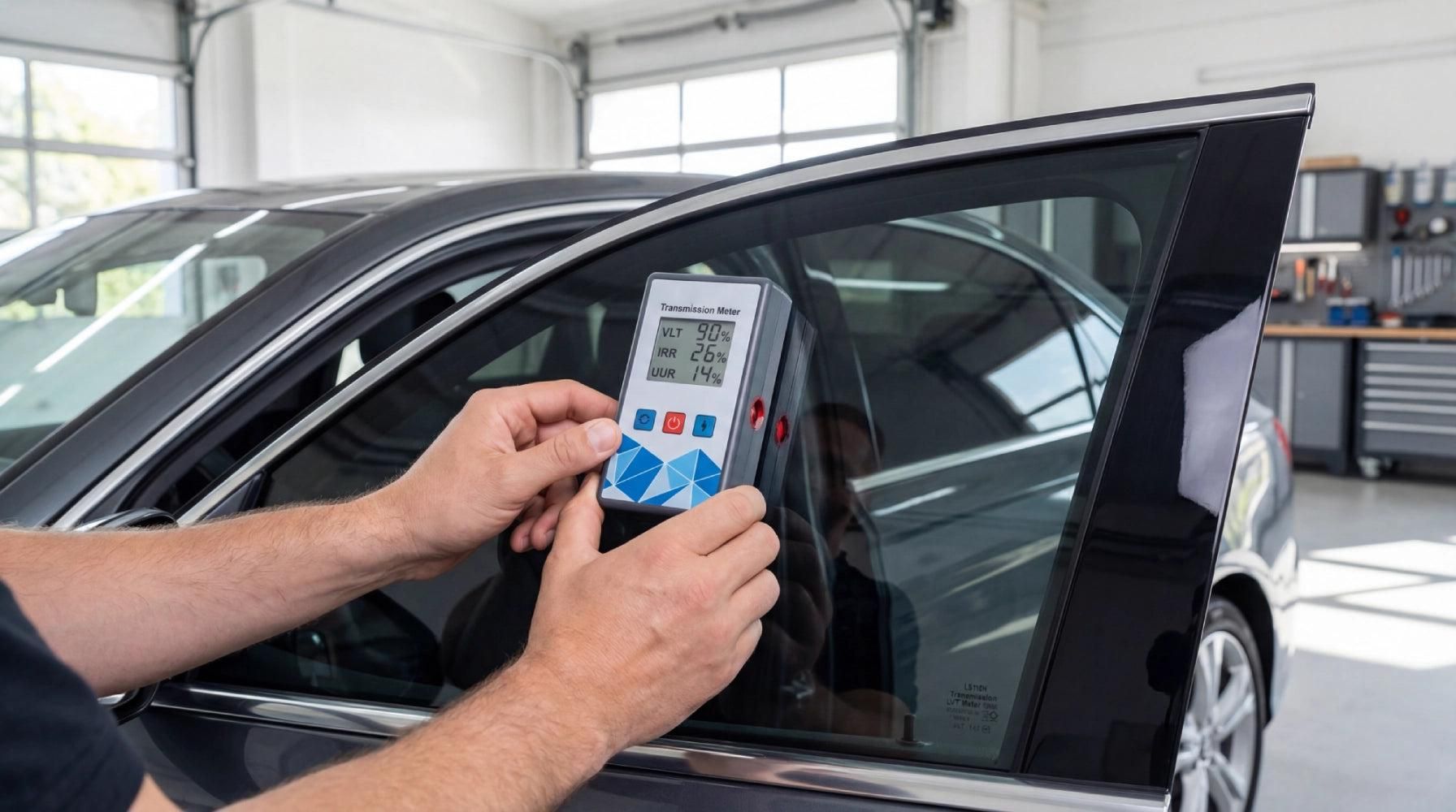
- TSER (Total Solar Energy Rejected): This tells you how much total solar energy the film can block, including heat, light, and UV. Higher TSER means a cooler cabin.
- IR rejection (Infrared Rejection): Infrared is a big part of the heat you feel on your skin. Look for high IR rejection, even in lighter shades.
- UV rejection: UV rays damage skin and interiors. Quality ceramic films are designed to block almost all UV.
For Florida, you want a film that offers strong IR and UV rejection, not just a dark look. A lighter ceramic tint can still perform very well, which is great if you prefer a cleaner, factory-style appearance.
Clarity and visibility are just as important as numbers on a spec sheet. Good ceramic tint should give you:
- Clear views at night so you can see people, bikes, and curves in the road.
- Better comfort in rain by reducing glare from wet pavement and headlights.
- A neutral tone that keeps colors looking natural, not hazy or distorted.
Durability matters too. In our hot, humid, salty air, a quality film from a trusted brand with a strong manufacturer warranty is a safer choice. That warranty should cover common film failures like peeling, bubbling, or discoloration. When a film is made to handle harsh conditions, it is more likely to stay looking clean and clear year after year.
Finding the Right Shade for Florida Roads and Laws
Tint laws can sound confusing, but the idea is simple. Florida has rules for how dark your tint can be in different areas of the vehicle so that law enforcement, pedestrians, and other drivers stay safe. The legal limits focus on how much light can pass through the glass.
To keep things simple, it helps to think about three main zones:
- Front side windows: These usually need to let more light in so you can see clearly and stay within the law.
- Rear side and back windows: These can often be darker than the front, which helps keep kids, pets, and cargo shaded.
- Windshield: Only certain parts can be tinted, and usually only with a lighter strip, to reduce glare without blocking your view.
Staying legal matters, especially during seasons with heavier traffic and more patrols on the road. You do not want a tint ticket when you are just trying to keep your car cooler.
The good news is, with ceramic films, you do not have to go super dark to get strong heat rejection. Many Florida drivers are surprised how much cooler their car feels with a medium or even lighter shade of ceramic tint compared to a dark but basic dyed film.
When you think about the year ahead, the sun feels strong even in late winter, and it only gets more intense as spring and summer roll in. Choosing your film now is like getting a head start on the hottest months. Your seats, steering wheel, and dashboard will thank you every time you park in an open lot.
Why Fort Myers Drivers Trust Solartex for Ceramic Tint
In Lee County, sun and humidity are part of daily life. Local drivers know that traffic to the beaches, stop-and-go around shopping centers, and long waits at lights can turn a car into a rolling oven. That is where experience with our specific conditions really counts.
At
Solartex Window Tinting, we work with LLumar films, including ceramic options that are designed for serious heat and UV control. Our team focuses on clean installs with:
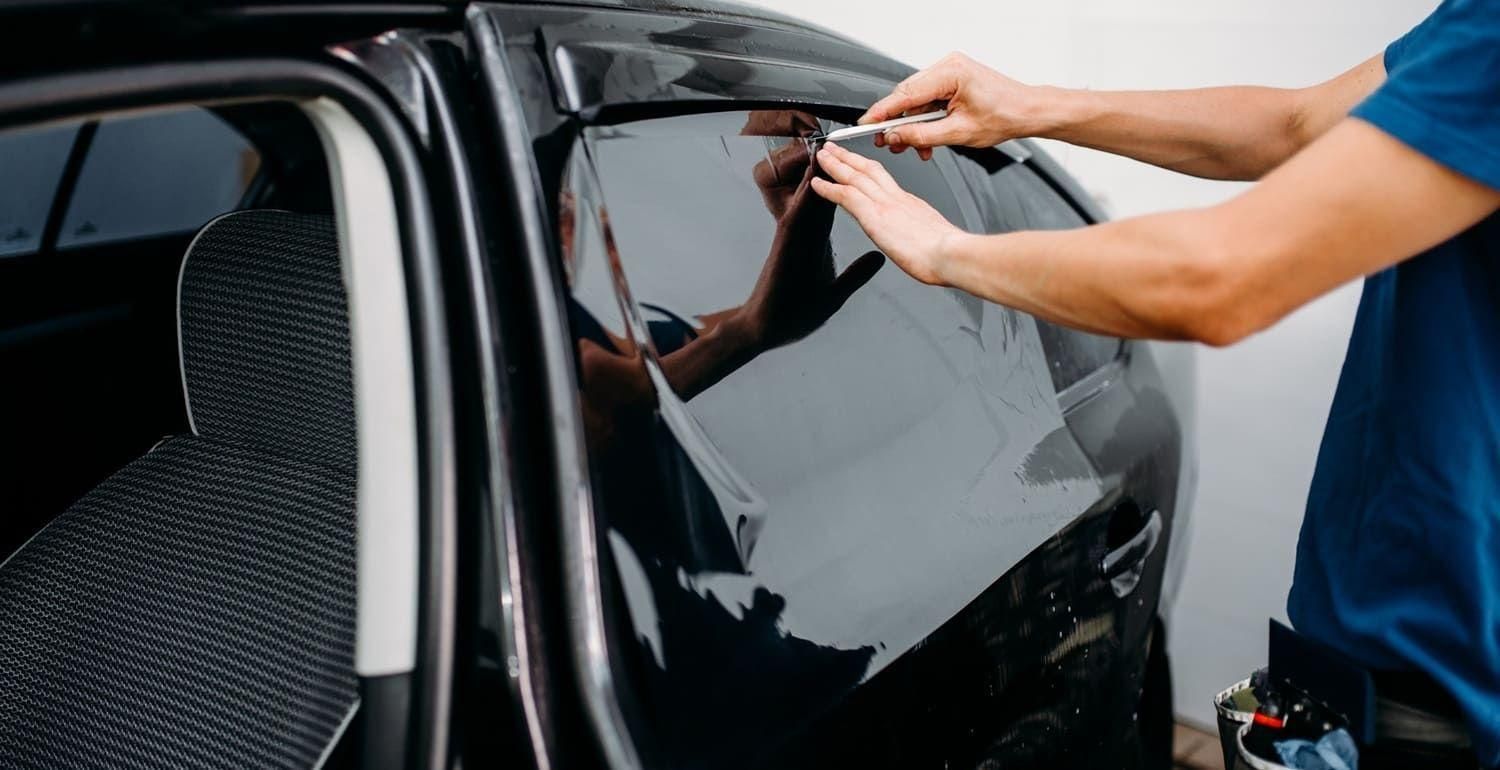
- Precise cutting for a factory-style edge.
- Careful prep so dust and dirt do not get trapped under the film.
- Thoughtful film and shade recommendations based on your car, your driving, and local rules.
We also help protect more than just vehicles. The same sun that beats on your windshield also pours through home and office windows. Residential and commercial window tinting can help keep rooms cooler, ease the load on your A/C, and reduce fading on floors, furniture, and displays as we move toward the longer, brighter days ahead.
Along with tinting, we offer services like ceramic coating, detailing, and aluminum polishing. That way, you can protect the outside and inside of your car together, creating a cleaner, cooler ride that holds up better to Florida’s constant sun and salty air.
Get Started With Your Project Today
Transform your home’s comfort and efficiency with Solartex Window Tinting. If you are ready to reduce glare, protect furnishings, and keep indoor temperatures more consistent, explore our
best ceramic window tint options tailored to your windows and goals. We will walk you through product choices, answer your questions, and provide a clear, no-pressure estimate. Schedule your consultation today so we can help you create a cooler, more comfortable space.