Florida’s 2026 Window Tinting Laws: What Drivers Need to Know
Florida’s 2026 tint rules determine how much light your vehicle’s windows must let through and how reflective tint film can be. This guide walks drivers through those rules in plain language. You’ll learn what Visible Light Transmission (VLT) means, the VLT and reflectivity limits for different vehicles and window positions, how the windshield AS-1 line works, and when medical exemptions apply. Knowing these details helps you avoid tickets, pass inspections, and pick film that keeps you cool and protected from UV without breaking the law. We also cover how enforcement usually works, typical penalties, and simple steps for measuring and documenting compliance during a traffic stop. Finally, we show which compliant films pair well with real installations and how Fort Myers installers can keep your vehicle legal and comfortable under the 2026 rules.
What Are the Key Florida Tint Law VLT Limits for Cars, SUVs, and Trucks in 2026?
Visible Light Transmission (VLT) limits set the darkest allowable tint for each window and are shown as the percentage of visible light that must pass through the combined glass and film. VLT differs by vehicle type and window position because forward visibility and an officer’s line of sight matter more for some windows than others. VLT is measured with a calibrated meter that reads through the glass-plus-film stack; both installers and officers use similar handheld devices to verify compliance. Below is a concise, driver-friendly reference table that shows the most commonly enforced VLT limits for 2026. After the table we offer practical tips to confirm a planned installation will meet legal thresholds before the film goes on.
This table shows the typical legal VLT limits drivers and installers use as a quick reference when choosing film for sedans, SUVs, and trucks.
| Vehicle Type | Window Position | Allowed VLT (%) |
|---|---|---|
| Sedan | Front side windows | 28% or higher |
| Sedan | Rear side windows | 15% or higher |
| Sedan | Rear window | 15% or higher |
| SUV / Truck | Front side windows | 28% or higher |
| SUV / Truck | Rear side windows | 15% or higher |
| SUV / Truck | Rear window | 15% or higher |
| All vehicles | Windshield upper strip (above AS-1 line) | Top strip only; non-reflective |
Use this quick-reference to see which windows can be darker and which need higher VLT for safety. Compare film labels and get an installer’s meter reading before you commit to an installation.
What Is Visible Light Transmission and How Does It Affect Legal Tinting?
Visible Light Transmission (VLT) is the percentage of visible light that makes it through the glass and the tint film together — a higher VLT means a lighter tint. Lawmakers set minimum VLTs because too-dark windows can hurt night driving and prevent officers from seeing inside during stops. VLT readings are taken with a calibrated meter pressed to the glass; the number shows the combined effect of factory glass and the film. Knowing your car’s factory glass VLT helps installers recommend films that will stay legal once applied, and measuring before installation avoids the hassle and cost of removing non-compliant film later.
With that foundation, the next sections cover the specific percentage thresholds for sedans, SUVs, and trucks under Florida law in 2026.
What Are the Specific VLT Percentages Allowed for Sedans, SUVs, and Trucks?
Exact VLT percentages tell you which films are permitted for each vehicle and window position and remove guesswork when shopping. For most sedans, enforcement practice requires front side windows to allow at least 28% VLT, while rear side and rear windows commonly allow darker films down to about 15% VLT. SUVs and trucks follow the same basic pattern: front windows need more light, rear windows can be darker. Installers confirm compliance by measuring the glass-plus-film stack with handheld meters and choosing film grades that account for the vehicle’s factory glass characteristics.
To avoid common mistakes: measure your factory glass VLT first, compare it to the film’s stated VLT, and verify the combined VLT with a meter before finishing the job.
How Do VLT Limits Differ for Front Side, Rear Side, and Rear Windows?
Front side windows have stricter VLT limits because forward visibility and roadside inspections are higher priorities — that’s why they usually require at least 28% VLT. Rear side and rear windows are treated more leniently and often permit darker film (around 15% VLT) while still meeting safety goals. Because factory glass varies, a film’s nominal percentage can produce different combined VLTs across vehicles; installers should test the film on the vehicle and record meter readings. Ask for a compliance certificate or written reading from your installer to show during an inspection or traffic stop.
Next: how windshield tinting is limited and what the AS-1 line allows.
What Are the VLT Requirements for Windshields and the AS-1 Line?
Windshield rules protect your clear forward view: Florida generally only allows a non-reflective tint strip along the top of the windshield above the AS-1 line, not full windshield tinting. The AS-1 line is a manufacturer-marked boundary near the windshield top that indicates where an upper tint band can safely sit; tint above that line must be non-reflective and cannot interfere with sightlines. Installers typically cut and place the top strip at or above the AS-1 line using non-reflective film made to meet the top-strip allowance. Proper placement and documentation of the AS-1 strip reduce confusion during roadside checks and align with safety-focused enforcement.
Correctly locating the AS-1 line and using an approved top strip gives you glare reduction and a finished look without crossing the law.
How Do Florida’s Window Tint Reflectivity Laws Impact Legal Tinting in 2026?
Reflectivity rules limit how mirror-like tint films can be because highly reflective films can create glare and make it harder for officers to see inside a vehicle. Reflectivity is measured as the percentage of light reflected from the glass exterior, and state rules cap that value so films don’t look metallic or mirror-like from the outside. Choosing low-reflectivity films helps you stay legal and keeps driving safer in Florida’s bright sun. The table below summarizes reflectivity expectations by window position and offers practical tips for picking compliant film types.
This table shows reflectivity limits and straightforward installation tips so films meet both the letter and spirit of Florida’s reflectivity rules.
| Window Position | Max Reflectivity Allowed | Compliance Tip |
|---|---|---|
| Front side windows | Low reflectivity; typically non-mirror finishes only | Choose ceramic or dyed films labeled non-reflective |
| Rear side windows | Limited reflectivity; darker films allowed but avoid mirror finish | Confirm manufacturer reflectivity specs and test sample |
| Rear window | Similar to rear sides; must avoid mirrored appearance | Use films with measured low exterior reflectance |
That makes it easier for drivers and installers to choose films that balance heat rejection and a non-reflective exterior. After understanding reflectivity caps, consider film technologies that deliver heat and UV protection without excessive exterior shine.
What Are the Reflectivity Limits for Front and Rear Vehicle Windows?
Reflectivity caps are stricter for front side windows to avoid glare for oncoming drivers and to keep law-enforcement visibility high; front windows typically must use non-mirrored, low-reflectivity films. Rear side and rear windows may tolerate slightly higher reflectivity but still prohibit highly mirrored finishes. When choosing film, ask for the manufacturer’s reflectance specs and favor non-mirror finishes if you want both compliance and strong solar control. Measuring and documenting reflectivity alongside VLT gives you confidence that your vehicle meets both rules.
That leads into why some film families are preferred for combining low reflectivity with solid heat rejection.
Why Is Reflectivity Regulation Important for Safety and Compliance?
Reflectivity rules reduce hazardous glare, protect night visibility, and let officers quickly observe vehicle interiors during routine stops. In sunny places like Fort Myers, films that block heat while staying non-reflective deliver the best mix of comfort and legal safety. Modern ceramic and carbon films now offer excellent solar rejection without metallic finishes, so you can stay cool without risking violations. For practical compliance, ask your installer for VLT and reflectivity meter readings at installation and choose non-reflective film options when legality and thermal comfort are both priorities.
Next we cover when a medical exemption may be appropriate and how to handle it.
What Are the Medical Exemptions for Window Tinting Under Florida Law in 2026?
Medical exemptions let drivers with documented light-sensitive conditions use darker tint than normally allowed when they follow the state’s certification process. Exemptions usually require a written certificate from a medical professional explaining the condition and the need for reduced light exposure; the certificate must meet FLHSMV requirements. Installers working with exempt drivers should document the exemption and apply film as specified, and advise drivers to carry proof during traffic stops. Below we explain who may qualify and the steps to use an exemption without risking penalties.
These eligibility rules and the application process prepare drivers to obtain and legally use a medical exemption while staying aligned with administrative requirements.
Who Qualifies for a Florida Window Tint Medical Exemption?
Qualifying conditions typically include medically documented photosensitivity disorders, certain skin or immune conditions aggravated by visible light, or other physician-documented needs to reduce glare and UV exposure. A licensed medical professional must issue a certificate stating the clinical reason and recommending any specific tint allowances. Exemptions are narrowly applied — they’re for genuine health needs, not aesthetics. Check with your medical provider and FLHSMV guidance to ensure the certificate meets official requirements before scheduling tinting.
With eligibility established, here’s how to apply and use the exemption correctly.
How Can Drivers Apply for and Use Medical Exemptions Legally?
To use a medical exemption: get an official, signed certificate from a qualified medical professional; follow FLHSMV guidance for registration or retention of the certificate; and keep the original certificate or a state-issued notice in the vehicle to show during stops. Installers should apply the film exactly as allowed by the certificate and keep the exemption paperwork with their measurement readings. At a stop, present the certificate and any installation documentation promptly to avoid citation escalation. Proper paperwork and installer documentation minimize disputes and show you acted in good faith.
These steps prepare drivers for interactions with enforcement personnel and lead into penalties and enforcement procedures.
What Penalties and Enforcement Actions Apply for Illegal Window Tint in Florida?
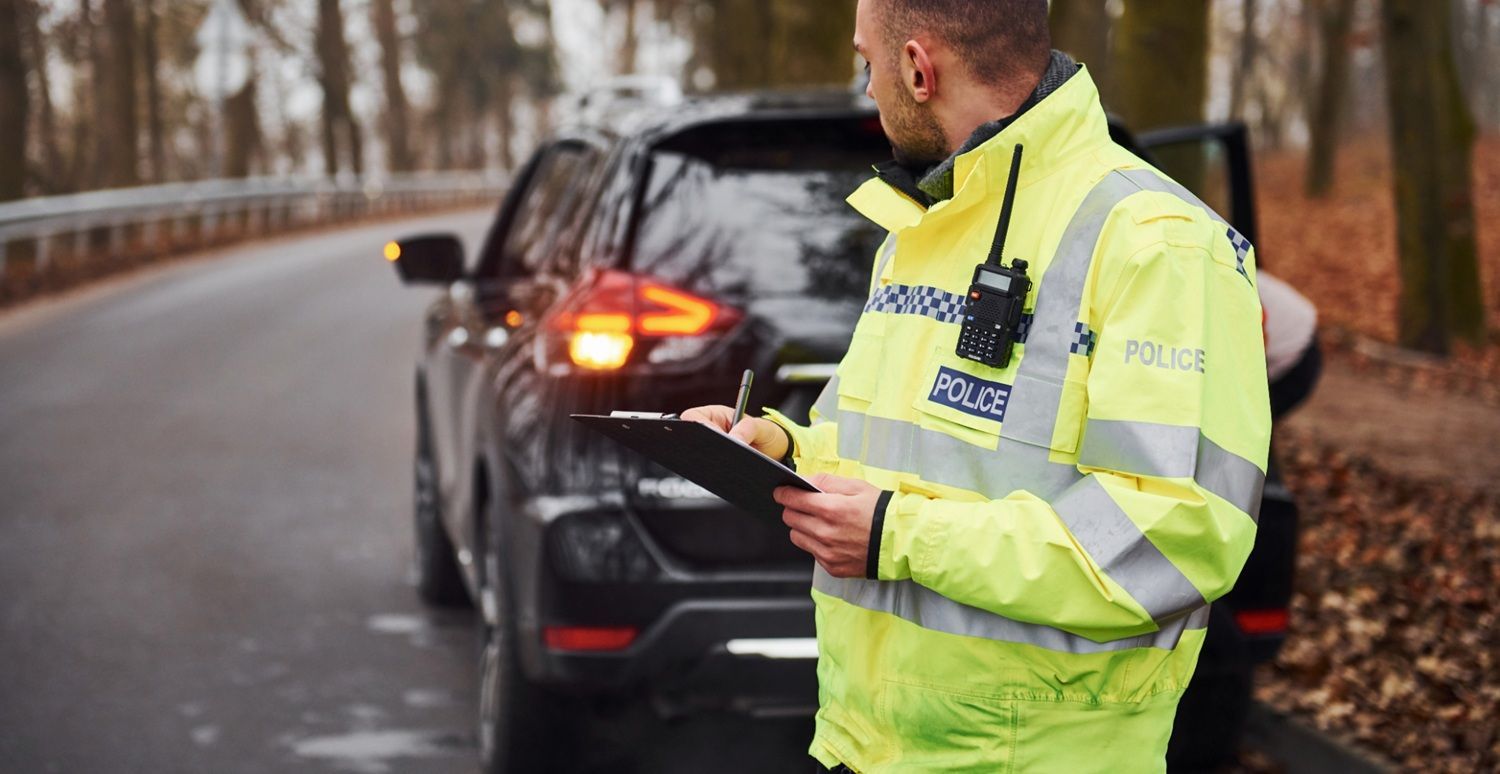
Breaking tint laws can lead to fines, inspection orders, and requirements to remove non-compliant film — penalties meant to restore safe visibility rather than punish drivers. Enforcement usually starts with a traffic stop, a meter reading that shows non-compliance, and either an on-the-spot citation or an order to correct the tint by a deadline. Repeat offenses often bring larger fines and possible court appearances. Below are typical penalties and immediate actions drivers should take if cited for illegal tint.
Here are common penalties and recommended next steps if you’re cited.
- If cited, politely request the meter reading and ask the officer to document it.
- Schedule a professional compliance check and, if necessary, remove non-compliant film quickly.
- Keep records of measurements and any corrective work to present in court or to law enforcement if needed.
Following these steps reduces the chance of escalated penalties and shows a good-faith effort to comply. Understanding enforcement methods also helps you be prepared during a traffic stop.
What Fines and Consequences Can Drivers Face for Non-Compliance?
Fines usually start as a monetary citation and may include an order to remove the film and provide proof of correction by a set date. Repeat violations increase costs and can complicate insurance or resale if the vehicle has required modifications. Beyond fines, administrative orders for inspection or removal add time and expense. The practical move is to get a professional measurement and, if needed, have certified installers correct the issue quickly to limit escalation.
Next: how law enforcement typically detects and documents tint violations during stops.
How Do Florida Law Enforcement Officers Enforce Tint Laws?
Officers enforce tint rules by noting visibility problems, excessive glare, or unusual window darkness and then using calibrated handheld meters to measure VLT and, when relevant, reflectivity. Stops often come from impaired driver sight at night, windows that look too dark in daylight, or safety concerns like not being able to see occupants. Officers generally request ID and may provide a written meter reading or citation; having installer-supplied documentation and measurement logs can ease the interaction. If stopped, stay cooperative, present any medical exemption or installation paperwork, and ask for clarification on meter readings if necessary.
These enforcement practices show why installation-time documentation is valuable and why professional installers play a role in staying compliant.
Why Choose Solartex Window Tinting for Florida-Legal Tinting in Fort Myers?
Solartex Window Tinting specializes in professional automotive window tinting services for Fort Myers and Lee County drivers, with a focus on film choices and installations that meet Florida’s 2026 legal standards. We install premium LLumar films — ceramic, carbon, metallized, and dyed — so you can pick the right balance of heat rejection, UV protection, and legal compliance for your vehicle. Solartex uses certified installation practices and backs qualifying films with a lifetime warranty, helping drivers stay compliant over time. For Fort Myers drivers who want a free estimate or a compliance-focused consultation, Solartex provides local expertise and documented meter readings to support roadside checks and inspections.
Below is a product-to-compliance mapping that shows how common LLumar film families match legal and comfort attributes to help your selection.
| LLumar Film Type | Key Benefit / Compliance Attribute | Typical Value/Note |
|---|---|---|
| LLumar Ceramic | Low reflectivity and high heat rejection | Excellent for front windows; non-reflective |
| LLumar Carbon | Good solar control with neutral appearance | Balances aesthetic and compliance |
| LLumar Metallized | Strong heat rejection but higher reflectivity risk | Use cautiously on exterior finishes |
| LLumar Dyed | Cost-effective glare reduction and UV block | Often used for rear windows; confirm VLT |
This mapping helps drivers and technicians pick films that satisfy comfort needs and Florida’s visibility and reflectivity rules. Choosing the right LLumar film and a certified installer lowers the chance of a violation and extends the film’s lifespan.
How Do Solartex’s LLumar Films Ensure Compliance with 2026 Florida Tint Laws?
Solartex starts by measuring your factory glass VLT, then recommends LLumar film grades whose combined glass-plus-film VLT meets state limits while delivering the heat and UV protection you want. For front side windows we often recommend ceramic or carbon LLumar films when you need strong solar control without raising exterior reflectivity. Our installers record pre- and post-install meter readings and keep those records for you to present if questioned by law enforcement. This product-to-law approach helps you stay comfortable and legal under the 2026 rules.
Accurate pre-install measurement and proper product selection lead into the advantages of professional installation by certified technicians.
What Are the Benefits of Professional Installation by Solartex Certified Technicians?
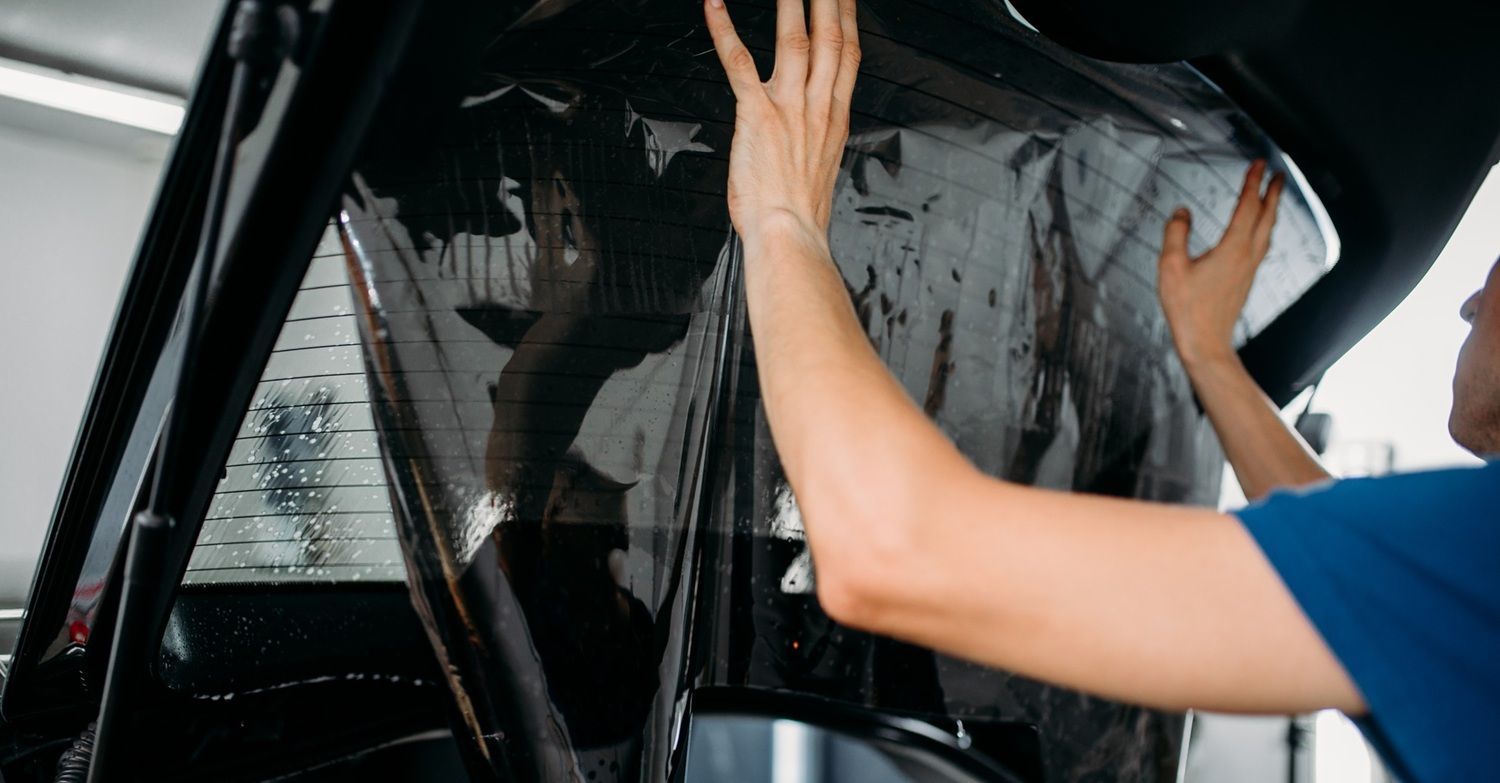
Certified professional installation ensures precise cutting and edge-fitting that prevents peeling or bubbling — issues that can change measured VLT over time and risk non-compliance. Our installers use calibrated meters to confirm combined VLT and reflectivity readings, and we provide documentation you can carry for inspections. Professional fits maintain warranty coverage and typically last longer, reducing future corrective costs. Local knowledge of Fort Myers enforcement patterns also lets our team recommend films that stay compliant under commonly used inspection methods.
Those installation and documentation benefits naturally lead to the next step: getting a free estimate or consultation.
How Does Solartex Support Fort Myers Drivers with Free Estimates and Consultations?
Solartex makes it simple: contact the Fort Myers shop for a free estimate, schedule a consultation where technicians measure your vehicle’s factory glass, and get a tailored film recommendation and installation timeline. The consultation includes a demo of how VLT and reflectivity are measured and shows the documentation you’ll receive after installation. For a free estimate or to set up a consultation, Solartex is available locally by phone and at our Fort Myers location — giving you local service and compliance-focused advice. This hands-on approach lowers uncertainty and helps keep your tint lawful across Lee County.
Those service details wrap up the business information while keeping the article focused on legal compliance and driver education.
Frequently Asked Questions
What Should I Do If I Get Cited for Illegal Window Tint?
If you get a citation for illegal tint, calmly ask the officer for a clear meter reading and documentation of the result. Then schedule a professional compliance check and, if needed, remove or replace the non-compliant film promptly. Keep records of the measurement and any corrective work — those documents can be important if you need to contest the citation or show proof of correction.
How Can I Measure My Window Tint to Ensure Compliance?
Use a calibrated VLT meter to measure the percentage of visible light passing through the glass and film. Many professional installers have these meters and will provide accurate readings. If you measure yourself, make sure the meter is calibrated and follow the manufacturer’s placement instructions to get a reliable result. That will tell you whether your tint meets Florida’s legal limits.
Are There Any Specific Brands of Tint Recommended for Compliance?
LLumar films are commonly recommended for balancing compliance, heat rejection, and UV protection. Ceramic and carbon options are known for low reflectivity and strong performance. Whatever brand you choose, confirm the film’s specifications match Florida’s VLT and reflectivity requirements to avoid surprises.
What Are the Benefits of Using a Professional Installer for Window Tinting?
Professionals ensure correct application, which prevents peeling and bubbling that can affect compliance. Installers have the tools to measure VLT accurately and recommend the right film for your vehicle. They also provide documentation of the installation that can be useful if you’re stopped by law enforcement or need to show proof of compliance.
Can I Remove My Window Tint Myself, and How Should I Do It?
You can remove tint yourself, but it’s tricky and can damage the glass if done improperly. If you try it, warm the adhesive with a heat gun or hairdryer, then peel the film away carefully and clean any residue. For a clean, safe result, hiring a professional is usually the better option.
What Should I Look for in a Window Tint Installer?
Look for certifications, experience, and positive reviews. A reputable installer knows local laws and offers a warranty on their work. They should also provide documented VLT and reflectivity measurements taken during installation — that paperwork is valuable for compliance and peace of mind.
What Is the Darkest Legal Tint Allowed in Florida in 2026?
For most front side windows the darkest legal tint is typically 28% VLT, while rear side and rear windows may allow darker tints down to about 15% VLT. A valid medical exemption can permit darker film in specific cases, but drivers must carry proper documentation and follow state procedures.
Can You Tint Your Entire Windshield in Florida?
No — Florida generally prohibits tinting the full windshield. You may use a non-reflective top strip above the AS-1 line, placed at or above the AS-1 marking and without a reflective finish that would violate reflectivity limits.
Are 20 Percent or 5 Percent Tints Legal in Florida?
A 20% or 5% tint can be legal on rear side or rear windows in some vehicles, but it’s usually too dark for front side windows unless you have a qualifying medical exemption. Always measure the combined glass-plus-film VLT on your specific vehicle before assuming a film percentage is compliant.
What Are the Legal Tint Limits for Side and Rear Windows in Florida?
Side and rear windows commonly allow darker tints — often around 15% VLT for rear side and rear windows — while front side windows generally require about 28% VLT or higher. Factory glass varies, so pre-install measurement is essential.
Can Law Enforcement Pull You Over for Illegal Tint in Florida?
Yes — officers can stop a vehicle for suspected illegal tint when visibility is impaired, glare is excessive, or other probable-cause factors exist. They’ll use calibrated meters to verify compliance. If stopped, remain cooperative and present any installer documentation or medical exemption papers to demonstrate lawful compliance.
Conclusion
Knowing Florida’s 2026 window tinting rules keeps you legal and more comfortable on the road. By understanding the VLT and reflectivity limits for different vehicle types and windows, you can choose films that protect against heat and UV while meeting safety standards. For tailored help and to explore compliant tint options, contact a local professional installer. Take the next step toward a cooler, compliant ride today.